
 Caleb Turner
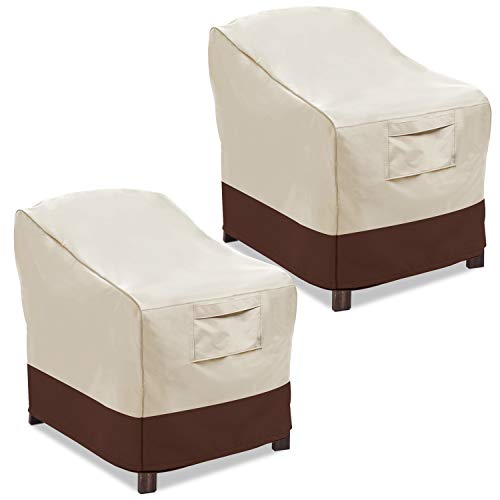
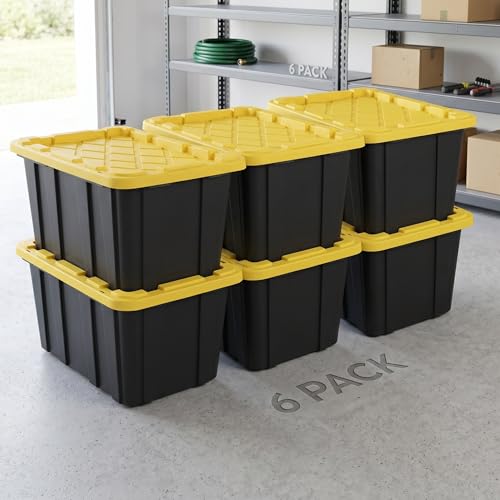
Choosing to bundle or store items indoors ahead of high winds or heavy rainfall can prevent damage. Utilizing sturdy storage bins or sheds ensures protection and longevity for your outdoor pieces. If indoor storage isn’t an option, consider using weighted tarps or covers that can withstand gusty conditions while shielding from precipitation.
Strapping larger items, like tables and chairs, together effectively minimizes movement during strong storms. Ropes or ratchet straps can secure them firmly, creating a collective weight that resists being swept away. Anchor heavy pieces directly to the ground or nearby structures for additional stability.
Utilizing furniture designed for outdoor resilience contributes to longevity as well. Investing in high-quality materials, such as aluminum or marine-grade polymers, can withstand nature’s elements better than alternatives. Regular maintenance and inspections before inclement weather likewise extend the lifespan of your investments.
Securing Outdoor Items Against Severe Weather
Utilizing heavy weights is an effective way to hold down lighter objects. I often use sandbags or cinder blocks to ensure items remain in place.
One strategy I apply involves grouping chairs and tables together. This creates a compact formation, minimizing exposed surfaces to wind pressure.


Using covers designed for outdoor seating can not only protect from moisture but also reduce wind-induced movement.
For detachable items like umbrellas, I always make sure to take them indoors. If it’s impractical to bring everything inside, I lower the umbrella and secure it flat on the surface.
I frequently tie larger pieces to sturdy structures. Employing heavy-duty rope or straps provides additional stability against strong gusts.
- Ensure any loose decorations are stored away.
- Keep cushions in waterproof bags to avoid water damage.
- Consider using a storage shed for more valuable items.
Checking forecasts regularly helps me stay aware of incoming storms, allowing ample time to prepare the space efficiently.
Finally, assessing the condition of items before severe weather strikes ensures they can withstand harsh elements, prolonging their lifespan.
Assess Your Furniture Material and Weight
Evaluate the composition of your outdoor items. Heavy materials like wrought iron, cast aluminum, or solid wood provide natural resistance to strong winds. However, lighter options such as plastic or lightweight aluminum require special attention.
Material Breakdown
| Material | Weight | Wind Resistance | Recommendations |
|---|---|---|---|
| Wrought Iron | Heavy | High | Minimal securing needed |
| Cast Aluminum | Moderate | Medium | Use weights or anchors |
| Teak Wood | Heavy | High | Fastening suggested |
| Plastic | Light | Low | Secure with ties or storage |
| Lightweight Aluminum | Light | Low | Storing indoors recommended |
Weight Considerations
For lighter items, consider securing them with weights or anchors. If possible, move them to sheltered areas or indoors before a storm. Heavy pieces can remain in place but need periodic checks to ensure stability, especially if they are set on uneven surfaces.
Choose the Right Anchoring Method
Utilizing appropriate anchoring is crucial for preventing displacement. Options like weights, straps, or tethering can enhance stability and minimize risk.
Weight Options
Place heavy objects, such as sandbags or concrete blocks, directly on or near the items. The quantity and size of weights should be proportional to the item’s size and the expected wind force. For instance, a lounge chair might require 20-30 pounds, while larger tables may need 50 pounds or more.
Straps and Tethers
Use durable straps or tethers that can withstand high winds. Secure them to fixed structures like walls, fences, or anchor points in the ground. Ensure the materials are UV-resistant and designed for outdoor conditions. A ratchet strap or heavy-duty bungee cord works well; just be sure to check their limits.
| Item Type | Recommended Weight (lbs) | Recommended Strap Type |
|---|---|---|
| Chairs | 20-30 | Heavy-duty bungee cord |
| Tables | 50+ | Ratchet strap |
| Umbrellas | 15-20 | Fixed tether to a base |
Implementing the right anchoring method not only preserves your property but also ensures safety for everyone nearby. Experiment with various combinations to find what suits your particular situation best.
Use Furniture Covers for Added Protection
Investing in high-quality covers is a straightforward way to shield outdoor seating and tables. These protective layers guard against debris, water, and wind, ensuring longevity.
Material Selection
Choose covers made from durable, weather-resistant fabric. Look for options labeled as UV-stabilized and waterproof. These materials resist fading and moisture accumulation, providing better defense against harsh conditions.
Proper Fitting
Select covers that fully enclose the items. Oversized covers can catch wind, potentially causing damage rather than preventing it. Adjustable straps or ties ensure a snug fit, minimizing movement during storms.
Store Smaller Items Inside
I always bring smaller items indoors to minimize damage. Cushions, lightweight chairs, and decorations should be moved to a garage or storage area. This prevents them from becoming missiles in high winds.
Consider using large bins or containers for quick packing. Items like planters, lanterns, or tools fit well in these, consolidating space and ensuring they’re safe. If inside storage isn’t an option, securing them in a shed or covered area with added weight can work too.
Utilize Protective Bags
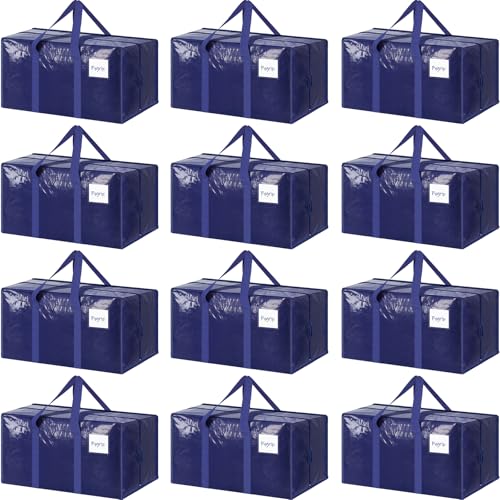
For cushions and similar items, I recommend waterproof storage bags. They protect from moisture while allowing ventilation, reducing mildew risk. Heavy-duty bags ensure durability against elements.
Keep an Inventory
Before a storm, I create a checklist of items I store. This helps ensure nothing gets left behind and makes unpacking easier afterward. It keeps me organized and reduces stress during a hectic time.
Utilize Heavy Items as Weights
Place substantial objects such as bags of rocks, sandbags, or heavy stones on the legs of outdoor chairs and tables. This additional weight creates stability, preventing lightweight pieces from being easily moved by strong winds. Ensure each item is securely positioned and not teetering, as this could lead to unintended hazards.
For larger equipment, consider using patio blocks or cinder blocks. These can be placed strategically on various surfaces to anchor items effectively. If I have access to concrete slabs, these serve as excellent anchors as well.
Incorporating heavy decor items like planters or large vases can bolster the stability of loosely arranged items. Position these pieces thoughtfully around the area to maximize their anchoring effect while still maintaining an aesthetic appeal.
If I have some garden tools or sports equipment, laying them over lighter pieces can enhance their resistance to being tossed around. Always verify the condition of these items; loose or rusty tools can become flying debris in severe conditions.
Lastly, consider filling these heavy items with additional weight if possible. For instance, using soil or gravel in planters not only serves the purpose of decoration but also contributes significantly to holding items in place effectively.
Secure Items Together with Straps
The use of durable straps offers reliability in stabilizing your outdoor pieces. I recommend utilizing heavy-duty nylon or polyester straps that can withstand strong winds, ensuring your items stay intact. First, position furniture pieces close together to create a compact grouping. This helps to minimize movement and reduce the surface area exposed to wind.
Anchoring Technique
Next, securely wrap the straps around overlapping sections of furniture, such as between chairs and tables. Ensure the straps are pulled tight to eliminate slack which could allow movement. Use ratchet straps or cam buckle straps for maximum tension, as these will provide sturdiness without risking breakage during storm conditions.
Additional Suggestions
For added safety, anchor the other ends of the straps to fixed objects like heavy planters, railings, or even trees if necessary. This creates a strong connection and prevents any shifting. Consider using multiple straps in various directions for enhanced stability. This approach can significantly mitigate the risk of damage from high winds.
Remove Umbrellas and Loose Accessories
Taking down any umbrellas is a key task. These structures can easily become projectiles in high winds. I always store them indoors or in a secure shed.
Next, I gather all loose accessories, such as cushions, decorative items, and toys. These items can blow away or cause damage to other possessions.
Consider the following steps:
- Unscrew and fold any portable umbrellas, placing them in a safe location.
- Remove pillow covers and cushions; they risk getting lifted by winds.
- Secure any small tables, side decor, or lanterns inside the home or garage.
By consolidating these items in a sheltered area, I decrease the likelihood of them becoming hazardous or causing damage during severe weather. It’s a straightforward yet effective strategy to protect what I own.
Consider Temporary Storage Solutions
Evaluate nearby options such as garages, sheds, or basements. These spaces can provide a safe haven from high winds and rain. If available, I recommend using a storage unit for larger items, as commercial storage facilities often have robust structures designed to withstand severe weather.
Use a Local Self-Storage Facility
If your home lacks adequate indoor space, renting a unit nearby is a practical solution. Many facilities offer promotional rates, especially during off-peak seasons. Check for climate-controlled options to protect items from moisture.
Improvise with Unused Indoor Areas
- Clear out a garage: This can accommodate larger pieces comfortably.
- Utilize underutilized spaces: Consider attics, crawl spaces, or spare rooms.
- Ask neighbors if they have extra space: Collaborative solutions can benefit both parties.
Consider also disassembling larger structures if necessary. Taking apart sections makes transporting them easier into more secure environments or into vehicles. A little advance planning can significantly enhance the safety of valuable outdoor pieces during extreme weather events.
Plan Ahead for Hurricane Season
First, create a checklist of items you need to secure. A thorough inventory helps ensure nothing is overlooked when the storm approaches. Prioritize larger and heavier items, as these are less likely to be moved by wind but can still cause damage if they shift.
Schedule a Pre-Storm Review
Set specific dates on your calendar in advance of the season to evaluate your outdoor area. This allows time for adjustments or repairs–such as tightening loose screws or stabilizing wobbly pieces. Regular maintenance reduces the risk of damage and extends the life of your belongings.
Invest in Quality Storage Solutions
Choose durable storage solutions that can withstand extreme conditions. Look for containers that are waterproof and secure to protect against flying debris. While bins are ideal for smaller items, larger pieces could be more effectively stored in a garage or shed. Keep your tools handy for quick access when storms are forecasted.
FAQ:
What steps should I take to secure my patio furniture before a hurricane hits?
Begin by moving smaller items like cushions and decor indoors to prevent them from becoming projectiles. For larger furniture, if possible, move it inside a garage or shed. If indoor storage isn’t an option, tie down chairs and tables using sturdy ropes or straps. You can also flip tables upside down to reduce wind resistance. Keep grill equipment secured and close any umbrellas.
Are there specific types of patio furniture that are more resistant to hurricanes?
Yes, heavier materials such as metal or solid wood tend to withstand high winds better than lighter plastic or resin furniture. Look for items specifically designed for outdoor use that claim to have hurricane-resistant features. However, regardless of material, securing the furniture remains critical during storms.
How can I prevent my patio furniture from being damaged by water during a hurricane?
To protect your furniture from water damage, cover it with waterproof covers and secure them tightly. If moving the furniture indoors is not an option, ensure that everything is elevated off the ground to avoid flooding issues. Additionally, try to angle furniture so that water can run off rather than pool on surfaces.
Is there anything I can do to prepare my patio area ahead of hurricane season?
Preparing your patio area before hurricane season involves a few proactive steps. Regularly inspect and maintain your furniture to ensure it is sturdy and in good condition. Remove any unnecessary items that could become hazards during a storm. Consider investing in heavy-duty anchors or storage solutions for easy management during severe weather events. Also, develop a plan to quickly secure your patio items when storm alerts arise.
What if I can’t get my patio furniture indoors before the hurricane arrives?
If indoor storage is impossible, focus on securing your patio furniture outside. Use heavy-duty tarps to cover items and weigh them down with bricks or stones. Secure items together to minimize movement, and remember to tie or strap them securely to a fixed structure like a porch or fence. While not ideal, these measures can help mitigate damage from strong winds and water.
What are some effective ways to secure patio furniture during a hurricane?
One effective method for securing patio furniture during a hurricane is to move all lightweight items indoors. Chairs, tables, and umbrellas can easily become airborne during strong winds. For heavier furniture, such as chests or benches, it is advisable to anchor them down using heavy-duty straps or ropes attached to fixed structures like fences or walls. If you cannot bring items inside, using furniture covers can help protect against debris and rainwater. Additionally, placing heavier items like bricks or cinder blocks on the furniture can prevent them from being blown away.
How should I prepare my patio before a hurricane warning is issued?
Before a hurricane warning, it’s important to create a checklist for preparing your patio. Start by clearing the area of any loose items such as decorative pillows, planters, or small furniture that can become projectiles. Secure larger furniture by tying it down with straps or roping it to a solid structure, if possible. Consider using heavy-duty tarps or covers for additional protection from wind and rain. It’s also wise to store any fragile items, like glass decor, indoors. Planning ahead can significantly minimize damage and make your post-hurricane cleanup much easier.


