Caleb Turner
To keep your outdoor coverings in place during windy conditions, always opt for adjustable straps that can be tightened around the base. These features are designed to withstand strong gusts and provide a snug fit, ensuring your protective layers stay where they belong.
Incorporating weighted edges or built-in pockets with sand or gravel can significantly reduce the chances of your protective gear being lifted by the wind. This simple adjustment can increase stability and prevent unnecessary damage from exposure to the elements.
Additionally, using a combination of clips or ties is an effective strategy to enhance hold during adverse weather. Attaching these to secure points on the items underneath will further reinforce their positioning and extend their lifespan.


Secure Your Outdoor Seat Protection
I recommend using weighted edges to prevent your protection from flapping in the wind.
- Look for covers that have built-in weights at the perimeter.
- If unavailable, add small sandbags or rocks to the corners.
Utilizing straps and buckles offers another layer of stability.
- Choose models with adjustable straps that can be tightened around the legs of your seating.
- Consider adding bungee cords for flexibility and a snug fit.
Material Considerations
Opt for materials that are both durable and resistant to harsh weather conditions.
- Polyester and vinyl work well against moisture while providing UV protection.
- Avoid lighter fabrics that are easily displaced.
Regular Maintenance
Regularly checking the attachments keeps your coverings intact.
- Inspect for wear and tear on straps and seams periodically.
- Clean the fabric to reduce deterioration and keep it functional.
Choosing the Right Material for Covers
I recommend opting for high-quality polyester or polyethylene for optimal durability and protection. These materials offer excellent water resistance, shielding items from rain and moisture.
If UV resistance is a priority, look for covers made with solution-dyed fabrics. This type of material prevents fading and maintains color integrity under prolonged sun exposure.
Breathable fabrics, such as woven polypropylene, are beneficial in preventing mold and mildew while retaining protective properties. Ensure that the cover allows air circulation while keeping elements out.
Consider reinforced seams and stitching for added strength, as they enhance the longevity of the protective layer, especially against wind and wear.
While lightweight covers may be easier to handle, heavier options provide better stability and resistance to windy conditions. Balance convenience with the level of protection needed.
If you live in an area with severe weather, investing in thicker, more robust materials will help safeguard against harsh conditions. Always review the warranty and manufacturer’s specifications to ensure reliability.
Understanding Weather Conditions and Their Impact
The strength and frequency of wind can dramatically influence the choice of safeguards for outdoor items. Areas prone to gusty winds require robust options that will not easily be dislodged. I recommend using weighted ties or stakes specifically designed to secure items against wind forces.
Humidity and Moisture
Excess moisture can lead to mold growth, damaging coverings and the items beneath. To mitigate this, I often choose breathable materials that prevent moisture accumulation while still providing protection. Regularly checking for trapped moisture beneath the material is key.
Sun Exposure
Prolonged sun exposure can degrade fabrics, leading to fading and brittleness. Opt for UV-resistant materials or coatings that can withstand harsh sunlight. I find that rotating items periodically or using translucent protective layers helps prolong their lifespan.
Understanding seasonal changes enhances my approach to safety measures. For instance, during winter, I switch to insulated options that shield against freezing temperatures, preventing potential cracks and damage.
Using Weights to Prevent Covers from Blowing Away
To effectively anchor protective layers, I recommend utilizing weights strategically positioned at the edges. Heavy objects, such as sandbags or specially designed weights, are ideal for this purpose. Ensuring that these weights are placed evenly will minimize the risk of any uplift caused by gusts of wind.
Consider using the following types of weights:
| Type of Weight | Advantages | Disadvantages |
|---|---|---|
| Sandbags | Affordable, versatile, easy to find | Can harbor moisture and mold if not dry |
| Weighted Straps | Specifically designed for securing covers | May require purchase; limited availability |
| Concrete Blocks | Heavy and stable; suitable for harsh conditions | Bulky and difficult to move; can damage surfaces |
I often opt for a combination of different weights for added stability. For example, placing sandbags at the corners and using weighted straps along the sides ensures comprehensive security. This method effectively reduces fluttering and keeps the protective sheets in place during strong winds.
Regular checks are necessary; I always inspect the placement of these weights after storms or windy days. By maintaining oversight, I can quickly make adjustments as necessary to uphold their effectiveness. Additionally, utilizing weights enhances the overall lifespan of these protective coverings by preventing unnecessary wear and tear.
Securing Covers with Straps and Buckles
Utilizing straps and buckles is an excellent way to prevent the movement of protective coverings during windy conditions. High-quality straps made from durable materials ensure that the covers remain in place, allowing for exposure to various elements without risk of displacement.
I recommend looking for adjustable straps with quick-release buckles. This design simplifies the installation and removal process, making it convenient when you want to access your outdoor seating quickly. The strap length should be adjustable to accommodate different sizes, providing a snug fit regardless of the furniture shape.
When attaching the straps, loop them around the legs or frame of the items they are designed to protect. This ensures a tight grip and minimizes the likelihood of the coverings sliding off. If the furniture is heavy, consider using wider straps, as they distribute tension more evenly and reduce wear on the material.
Always check the fastening system for any signs of wear, especially after harsh weather. Damaged straps can compromise the effectiveness of the protection, so it’s wise to replace them periodically. For added stability, I suggest using multiple straps per cover, particularly for larger pieces. This helps secure all points of connection, reducing the risk of flapping or shifting.
Incorporating these recommendations will enhance the durability and longevity of the protective covers, safeguarding your outdoor items effectively.
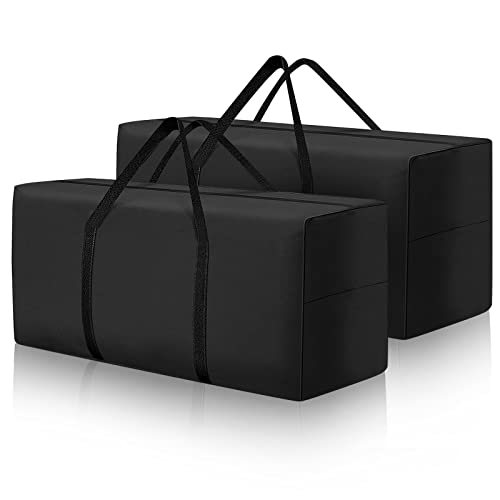
Benefits of Using a Storage Bag for Covers
Utilizing a storage bag significantly enhances the longevity and protection of your outdoor protectors. Below are the key advantages I’ve observed:
- Space Efficiency: A custom storage bag minimizes the area required for keeping your protectors when not in use, allowing for a cleaner and more organized storage solution.
- Protection from Elements: Keeping covers in a dedicated bag shields them from moisture, dust, and pests, which can degrade material quality over time.
- Easy Handling: The portable nature of a storage bag enables hassle-free transport and access, making it convenient to put on and take off your protectors as needed.
- Durability: Quality storage bags are made from robust materials that resist tearing and wear, preserving the integrity of your protectors for a longer duration.
- Weather Resistance: Many bags feature water-resistant properties that keep your covers dry, regardless of outside conditions, preventing mold and mildew growth.
- Enhanced Organization: A dedicated bag helps in categorizing protectors by size or type, improving the retrieval process when you need specific covers.
In conclusion, investing in a quality storage bag for your outdoor coverings pays off by ensuring they remain in excellent condition, ready for use whenever you need them.
Positioning Furniture to Minimize Wind Exposure
Place items in a sheltered area of your yard, such as near walls, fences, or dense shrubbery. This natural barrier can significantly reduce wind speed and protect your coverings from being blown away.
Additionally, orient the exposed sides of your seating arrangements away from prevailing winds. For instance, if your location experiences predominant winds from the west, position loungers or tables facing east.
Utilize Compact Arrangements
Cluster pieces together to create a compact layout. This not only offers visual appeal but also enhances stability against gusts. The less open space between items, the lower the chances for wind to cause movement.
Adjust During Seasonal Changes
Regularly reassess your placement as seasons change. During windy months, consider moving outdoor resting spots to more sheltered locations. As foliage grows, such as trees or bushes, they may provide additional protection over time.
Regular Maintenance and Inspection of Covers
I schedule periodic checks of the protective layers to ensure they remain in good shape. This includes examining seams for any signs of wear or tearing, which can compromise their effectiveness. It’s ideal to do this at least once a month, particularly before the seasonal changes.
Cleaning the protective wraps is also crucial. I use mild soap and water, avoiding harsh chemicals that could degrade the material. After washing, I ensure that they dry completely to prevent mold or mildew buildup.
Additionally, I recommend checking for any tears that may have developed over time. Small rips can be repaired with waterproof tape, while larger damage may necessitate buying a replacement to maintain protection standards.
Before winter or heavy storms, I double-check the fastening methods to confirm they are secure. It’s a good idea to remove excess debris and ensure there are no branches or leaves resting on top, as this can trap moisture and lead to deterioration.
Label or document any outstanding issues during inspections so that I can address them promptly. Keeping a checklist helps in maintaining consistent upkeep and ensuring longevity for my protective layers.
Innovative Solutions for Storing Covers When Not in Use
I recommend utilizing waterproof storage bins for keeping protective gear organized and dry. Look for bins with airtight seals to prevent moisture buildup that can lead to mold and mildew. These bins can be stacked efficiently, saving space while keeping everything easily accessible.
Hanging Solutions
Another effective method involves installing wall-mounted racks or hooks in your garage or shed. This keeps items off the ground and allows for better air circulation, which helps to prevent dampness. Make sure the hooks are sturdy and appropriately sized to accommodate the weight of the materials.
Transparent Storage Options
Consider clear plastic storage bags that allow you to see contents at a glance. These bags are lightweight and provide a protective layer against dirt and dust. They can be folded and stored in tight spaces when not in use, making them a versatile choice for maximizing storage options.
Tips for Customizing Covers for Added Security
One effective method is to add grommets along the edges of your protection layers. This allows for the use of cord or chain to securely fasten them to furniture legs. Make sure the grommets are placed close enough together to prevent any potential lifting in windy conditions.
Incorporating Personal Touches
Consider customizing your protection layers with reflective stripes or bright colors. This not only adds a personal flair but also enhances visibility, making it easier to locate and adjust them, especially in dim lighting.
Utilizing Magnets
Embedding magnets into the hem of your protection layers can provide additional stabilization. This technique works well on ferromagnetic surfaces, ensuring that the edges remain anchored even during gusty weather.
Additionally, sewing pockets into the fabric for holding weights like sandbags can be beneficial. Distributing weight evenly along the perimeter minimizes the risk of lifting or movement caused by high winds. Choose a fabric that allows for easy washing, as continuous exposure to the elements may cause dirt or mildew build-up.
I recommend testing different combinations of these strategies to find the best solution for your specific situation. Regular adjustments and monitoring will ensure that your protective coverings remain functional and visually appealing.