
 Caleb Turner
Utilizing tie-down straps or adhesive Velcro can significantly minimize movement of seat pads on woven seating. By affixing the straps to the underside of the pillows and anchoring them to the base of the seating structure, a snug fit is achieved, allowing for comfort without constant adjustment.
For outdoor settings, consider opting for weather-resistant, anti-slip backing. This material increases friction between the cushion and the surface, reducing the likelihood of slippage during breezy weather. Regularly checking the integrity of the backing ensures long-lasting performance.
Layering with decorative throws or seat rugs can add an aesthetic touch while also enhancing grip. This dual function not only beautifies the area but also offers additional weight to keep the cushions from shifting during use.
Securing Cushions to Rattan Furniture
To avoid slippage, I use Velcro fastening strips. Attaching one side of the Velcro to the underside of each pillow and the other side to the seat ensures stability.

For a more robust hold, I’ve adopted D-ring clips. I sew them onto the corners of the seat pads and the frame. This method allows for easy removal while providing strong support.
I find that weighted ties are also useful. I create simple fabric loops on each corner of the padding. By tying these around the chair’s legs, I can prevent movement even in breezy conditions.
If aesthetics matter, I use decorative pillow grippers. They are adhesive but designed to be gentle on surfaces. This keeps the cushions from shifting without compromising style.
Another approach I’ve had success with is using non-slip rug pads under the cushions. This provides friction that keeps them in place, especially on tiled or wooden surfaces.
Lastly, regular maintenance is key. I check the fasteners and ties periodically to ensure they remain functional and effective against the elements.
Choosing the Right Cushion Materials for Rattan
I recommend focusing on materials that combine comfort and durability. Outdoor-grade fabrics, such as solution-dyed acrylic or polyester, resist fading and moisture, making them ideal for impending weather changes. Look for options treated with water-repellent coatings for additional protection.
Breathability Matters
Opt for materials that offer breathability, such as cotton blends, to enhance comfort during warm days. These materials allow air circulation, reducing the risk of mold buildup while providing a soft feel against the skin.
Quick-Drying Foam Inserts
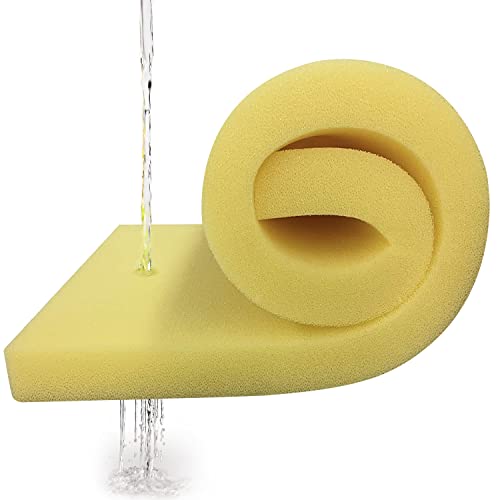
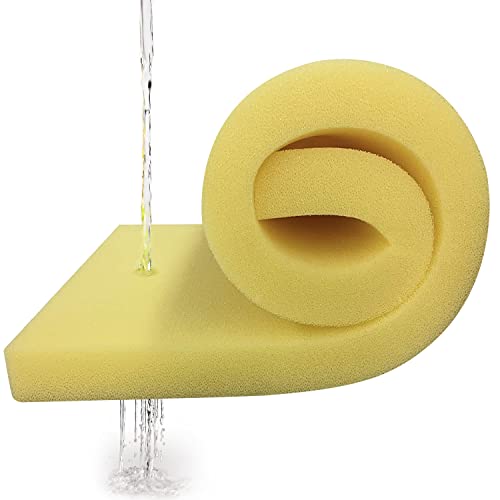
Select foam fillers designed specifically for outdoor use. Quick-drying foam prevents water retention and promotes faster drying times. This is crucial for maintaining the hygiene and longevity of your seating accessories.
Best Fastening Techniques for Outdoor Use
To keep your outdoor padding securely attached, consider using Velcro straps. This attachment method allows for easy removal when cleaning or storing while ensuring they stay in place during windy conditions.
Other Effective Methods
Another solid option is to use non-slip rubber mats. Placing these mats beneath the cushioning will help it grip tightly to the surfaces, preventing any unwanted movement.
Cleats or anchor clips can also be installed along the edges of the seats. These come in various shapes and sizes, allowing you to find the perfect fit for your outdoor setting.
Comparison of Fastening Techniques
| Technique | Advantages | Disadvantages |
|---|---|---|
| Velcro Straps | Easy removal, adjustable | Can wear out over time |
| Non-slip Rubber Mats | Stable grip, weather-resistant | May require adjustments after heavy rain |
| Cleats/Anchor Clips | Permanent fixture, very secure | More difficult to remove for cleaning |
Evaluating your environment and usage will help determine the most suitable fastening technique for your needs. Proper implementation ensures that your outdoor seating remains practical and comfortable throughout the seasons.
Using Non-Slip Products for Added Stability
To enhance the grip of your padding on woven surfaces, consider incorporating non-slip pads. These rubberized or textured mats provide excellent friction and prevent unwanted shifting during use.
Another effective option is non-slip spray, which can be applied directly to the underside of the foam supports. Once cured, this creates a tacky surface that adheres to the seating area, keeping your padding securely in place.
Types of Non-Slip Products
There are various types of non-slip solutions available. For instance, adhesive strips can be applied along the edges of your cushioning for an invisible but effective hold. Additionally, heavy-duty double-sided tape is an excellent choice for elements that require both stability and flexibility.
Maintenance Tips
Regularly check the condition of your non-slip products to ensure they are functioning optimally. If using sprays or adhesive strips, replace them periodically to maintain their effectiveness. Cleaning the surfaces where these products are applied also helps in preserving their adhesive qualities.
DIY Solutions for Cushion Attachment
For a reliable hold, I recommend using Velcro strips. These can be sewn onto the bottom of seat pads and the corresponding areas of the seating surface. This method offers flexibility and ease of removal for cleaning or replacement.
Using Ties for Secure Hold
Fabric ties provide a classic approach. Here’s how I attach them:
- Cut fabric strips, ideally matching the seat design.
- Securely attach one end to the seat pad using strong adhesive or stitches.
- Wrap and tie the other end around the furniture’s frame.
Adhesive Solutions
If a more permanent solution is needed, consider high-strength adhesive pads. I apply these directly to the bottom of the seat pads.
- Ensure the surface is clean and dry for maximum adhesion.
- Press firmly for a few seconds to achieve a tight bond.
- Wait at least 24 hours before using to ensure full adhesion.
These options not only enhance stability but also allow for customization according to personal style and comfort preferences.
Weatherproofing Cushions for Longevity
I recommend using water-resistant fabrics for your padding. Look for materials such as polyester or acrylic blends that have a moisture-repellent finish. These fabrics will resist water absorption, protecting the inner filling from mold and mildew. Additionally, consider adding a water-repellent spray to enhance the barrier against inevitable elements.
It’s also beneficial to incorporate double-stitched seams and durable zippers in your choice of upholstery. This method reduces the chances of tearing and fraying, ensuring that your items maintain their shape and appearance through seasons of use.
Store your textiles indoors or in a climate-controlled area during extreme weather conditions. If they must remain outdoors, using storage boxes designed for patio items can provide extra protection against rain and snow.
Consider utilizing cushion covers that feature UV protection to resist fading from sunlight. This prevents degradation over time, allowing colors and patterns to remain vibrant for years. Regularly applying fabric protectant can also enhance durability against fading and staining.
Finally, ensure proper drying after exposure to moisture. I recommend air-drying completely before use or storage to prevent any musty odors and prolong the life of your seating accessories.
Regular Maintenance Tips for Cushion Security
Inspect all attachment methods periodically to ensure durability. Fasteners and straps can degrade over time due to exposure, so it’s essential to check for wear and replace any damaged components immediately.
Cleaning and Upkeep
- Use mild soap and water to clean the surfaces regularly. This prevents dirt buildup that might compromise fastening mechanisms.
- Rinse thoroughly and allow drying completely before reattaching any materials.
Storage Techniques
- Store removable pads in a dry, sheltered area during severe weather conditions to prevent deterioration.
- Utilize storage bags that are breathable to avoid moisture accumulation, which can weaken securing elements.
Incorporate protective covers for areas with heavy usage or during the offseason. These not only prolong the lifespan of the pads but also keep attachment devices functional and less susceptible to environmental damage.


