
 Caleb Turner

To protect your recently transformed pieces, I recommend applying a clear topcoat that enhances durability while maintaining the integrity of the original coat. Selecting a water-based polyurethane offers an ideal mix of strength and clarity, ensuring that the color shines through without alteration.
Before proceeding, ensure the surface is clean and fully cured. I typically wait at least a week after the initial application of the color finish to guarantee that any moisture evaporates. A gentle sanding process using fine-grit paper can facilitate better adhesion of the topcoat, so I always incorporate this step for the best results.
While applying the protective layer, I use a high-quality synthetic brush to avoid shedding and ensure a smooth application. Working in thin, even coats is essential; if a second layer is needed, I wait at least two hours before starting. This patience pays off in achieving a resilient and visually appealing finish, which minimizes wear and friction damage over time.


Protecting Your Painted Pieces
To ensure the longevity and durability of your newly coated surfaces, I recommend applying a high-quality topcoat specifically designed for water-based applications. This will provide a robust barrier against scratches, stains, and wear while maintaining the aesthetic appeal.
Recommended Products
- Water-based polyurethane: Ideal for providing a clear, protective finish.
- Polycrylic: Excellent for achieving a durable, satin or glossy surface.
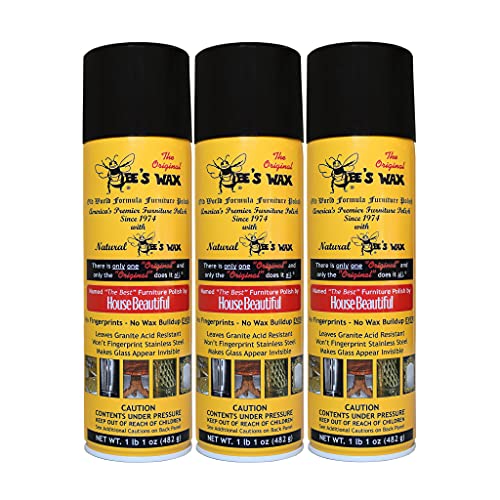
- Furniture wax: Natural alternative for a soft luster and easy maintenance.
Application Tips
- Ensure the painted surface is completely dry before applying any protective layer.
- Use a high-quality brush or foam applicator to apply the product evenly.
- Apply thin coats, allowing adequate drying time between applications for optimal adhesion.
- Lightly sand between coats with fine-grit sandpaper for a smoother finish.
- Finish with at least two to three layers for improved durability.
These steps will significantly enhance the resilience of your pieces while preserving their beauty.
Choosing the Right Sealant for Latex Paint
For protection and durability, I recommend using a water-based polyurethane for coating your projects. This type offers excellent clarity and dries quickly, allowing for an easy application. It also provides a strong finish and is resistant to scratches and stains.
Types to Consider
Consider satin or semi-gloss finishes, as they strike a balance between aesthetic appeal and functionality. Satin offers a soft sheen, while semi-gloss adds a bit more shine and is easier to clean. Both options enhance the beauty of the surface while providing necessary protection.
Application Tips
Before applying the chosen product, ensure that the surface is clean and dry. Lightly sand the area for better adhesion, and use a high-quality brush or foam applicator to achieve an even coat. Always follow drying times as directed on the product label, and apply multiple thin layers rather than a single thick one to avoid drips and unevenness.
Preparing the Surface Before Sealing
Thorough cleaning is my first action. I use a damp cloth to wipe away dust and grime from the surface. Then, I allow it to dry completely before proceeding.
Next, I focus on sanding imperfections. A fine-grit sandpaper is ideal for smoothing any rough spots. This step not only enhances adhesion but also creates a uniform appearance. I ensure to sand lightly to avoid damaging the existing coat.
After sanding, I clean the surface again to remove any debris generated during the process. A vacuum or tack cloth can be helpful here to achieve a pristine finish.
Patch Any Damages
If I find any chips or scratches, I fill them with a matching filler. Once it dries, I lightly sand the area to blend it seamlessly with the surrounding finish. This step is crucial for a flawless end result.
Final Inspection
Lastly, I inspect the entire surface for any remaining flaws. Ensuring that it is smooth and ready for the application will guarantee a professional look. Taking these detailed steps sets up an excellent foundation for the protective layer.
Best Application Methods for Sealant
I recommend using a high-quality brush or foam applicator for the application of protective coatings. For small details and intricate areas, a fine-tipped brush ensures comprehensive coverage with minimal risk of drips. Foam rollers work well for larger, flat surfaces, providing a smooth finish without visible marks.
Timing between coats is crucial. Allow the first layer to dry fully according to the product instructions, usually a couple of hours, before applying additional layers. This ensures the best adhesion and durability.
A light sanding with fine grit paper between layers can enhance the bonding process, resulting in a more robust finish. I advise wiping down the surface with a tack cloth afterward to remove any dust created during sanding.
When using spray applications, maintain a consistent distance from the surface, typically around 8-12 inches. Apply multiple light coats, allowing each coat to dry before adding the next for a professional-level finish.
Consider the environment as well. Adequate ventilation helps in drying and prevents accumulation of fumes, especially important if working inside. The optimal temperature for application is usually between 65°F and 85°F, ensuring ideal drying conditions.
| Application Method | Best For | Notes |
|---|---|---|
| Brush | Detail Work | Choose synthetic bristles for water-based coatings. |
| Foam Roller | Large Surfaces | Minimizes streaks; replace between uses for best results. |
| Spray | Even Finish | Layer lightly and keep a steady hand for uniform coverage. |
Drying Times and Conditions for Sealants
Adhere to the manufacturer’s specifications for drying and curing, as these factors can differ based on the product used. Generally, most sealers can dry to the touch within 1-2 hours. However, achieving full hardness could take anywhere from 24 hours to several days.
Factors Influencing Drying Time
- Temperature: Ideal conditions range between 65°F to 85°F (18°C to 30°C). Lower temperatures can significantly extend drying times.
- Humidity: High humidity levels may prolong the drying process. Aim for a relative humidity of 40% to 60% for optimal results.
- Air Circulation: Ensure good airflow around the treated surfaces. Consider using fans to expedite drying in enclosed spaces.
Best Practices During the Drying Phase
- Avoid placing any items on the surface during the initial drying stage to prevent marking.
- Keep the area well-ventilated to promote evaporation.
- Inspect the finishing surface periodically for any areas that may require additional application.
Following these guidelines ensures a durable and protective layer that enhances the longevity and appearance of your surface.
Testing Sealant on a Small Area First
I always recommend applying the chosen protector to a small, inconspicuous section before covering larger surfaces. This precaution helps evaluate compatibility and desired finish without compromising the entire piece. Start by cleaning and prepping the test area as you would for the main application.
Steps for Testing
Using a clean brush or applicator, apply a thin layer of the product to the selected spot. Make sure to observe how it interacts with the previous coating. Watch for any adverse reactions, such as discoloration or bubbling. Allow it to dry completely to assess the final appearance and texture.
Evaluate Results
After drying, inspect the area under various lighting conditions to ensure it meets your expectations. This method allows me to adjust my approach if needed, ensuring the main application will yield satisfying results without surprises.
Maintaining Sealed Painted Surfaces
Regularly cleaning the coated surfaces is critical for preserving their integrity. I use a soft cloth or sponge dampened with mild soap and water to wipe down the area. Avoid harsh chemicals, as they can break down the protective layer. Rinse with clean water and dry thoroughly to prevent moisture buildup.
Check for any signs of wear, such as scratches or stains. If issues arise, address them promptly. I recommend using a touch-up method involving a small brush and a matching finish to restore any damaged areas, ensuring an even appearance.
Annual inspections will help identify deterioration. I make it a habit to evaluate any areas needing refinishing or reapplication of the protective coating. Maintaining optimal conditions, such as avoiding direct sunlight and excessive humidity, prolongs the life of the coating.
When relocating or rearranging the items, always lift rather than drag to prevent chipping. For furniture with legs, felt pads can prevent scuffs and scrapes on floors and surfaces.
Storing these items away from extreme temperatures and moisture will greatly enhance their longevity. I recommend using breathable fabric covers if covering them is necessary.
Common Mistakes to Avoid When Sealing
Avoid applying the finish in humid conditions. High humidity can impede proper adhesion, leading to an uneven surface and potential peeling in the future.
Don’t rush the preparation phase. Neglecting to fully clean the surface can leave residues that affect how well the coating bonds to the underlying layer.
Skip the impulse to apply a heavy coat. Multiple thin layers generally yield better results than one thick layer. Thick applications can trap moisture and create imperfections.
Ignoring Drying Times
Do not overlook the specified drying times between coats. Each layer needs adequate time to cure; rushing this can compromise durability and finish quality.
Using Incompatible Products
Be cautious of mixing brands or types of products. Always check compatibility to prevent issues such as bubbling or discoloration. Stick to the same manufacturer when possible.
FAQ:
What materials do I need to seal latex painted furniture?
To seal latex painted furniture, you will need several materials: a clear sealer or topcoat (water-based polyurethane is a popular choice), a clean brush or foam applicator for even application, sandpaper (fine-grit) for prepping the surface before sealing, and a clean cloth for wiping down dust and debris. Make sure to have proper ventilation in your workspace as well.
How long should I wait before sealing latex paint on furniture?
It is recommended to wait at least 24 to 48 hours after applying latex paint before sealing it. This allows the paint to cure properly and ensures that the sealer adheres effectively. If you’re in a humid environment, it may be beneficial to wait even longer, as high moisture can slow down the drying process.
Can I use oil-based sealers over latex paint?
Using oil-based sealers over latex paint is generally not recommended, as they can prevent the paint from adhering properly and may cause it to lift or crack over time. It’s best to stick with water-based sealers, as they work well with latex paints and provide a durable finish without the risk of damaging the underlying paint.
What is the best way to apply the sealer?
The best way to apply the sealer is with a clean, high-quality brush or a foam applicator for a smooth finish. Start with a small amount of sealer on your applicator and apply it in long, even strokes, following the wood grain. Avoid over-brushing, as this can create bubbles or streaks. Allow the sealer to dry completely before applying additional coats if needed.
How many coats of sealer do I need for my painted furniture?
Typically, two to three coats of sealer are recommended for latex painted furniture to ensure durability and protection. After applying the first coat, allow it to dry completely before lightly sanding with fine-grit sandpaper to create a smooth surface for the next coat. Repeat the process for each additional coat, ensuring each one is dry before applying the next.
What is the best way to seal latex painted furniture?
The best method for sealing latex painted furniture involves using a clear polyurethane or polycrylic finish. Start by ensuring the paint is fully cured, which usually takes about 2-4 weeks depending on humidity and temperature. Once cured, clean the surface to remove any dust. Apply a thin coat of the sealer with a high-quality brush or foam applicator, following the wood grain. Allow it to dry as per the manufacturer’s instructions, then lightly sand the surface before adding a second coat. This process not only protects the furniture but also enhances its durability and appearance.


