Caleb Turner
First, consider heat treatment as a powerful method for eliminating undesired insects. Raise the temperature of your upholstered items to at least 120°F (49°C) for a minimum of 90 minutes. Using a clothes dryer on high heat can be an effective way to achieve this, as it penetrates fabrics and ensures that any hiding pests are eradicated.
Next, inspect seams and crevices meticulously. These areas serve as prime hiding spots, where these intruders often reside. Employ a flashlight and a magnifying glass to examine the furniture closely, and use a stiff brush to dislodge any eggs or tiny creatures that may be present.


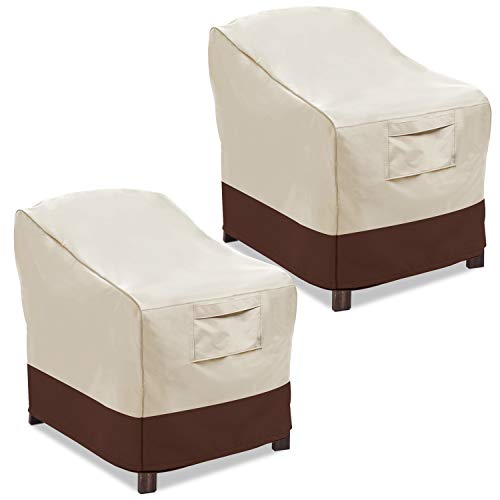
Additionally, encasing items in protective covers can hinder access. Utilize zippered encasements specifically designed for trapping and preventing any resurgence of these critters. Ensure that the covers are made from breathable material to avoid moisture buildup, which can promote other forms of damage.
Lastly, regular cleaning routines should not be overlooked. Vacuum thoroughly, paying special attention to undersides and adjacent areas. Afterward, dispose of the vacuum bag immediately to prevent any chance of reinfestation. By sticking to these strategies, I have successfully managed to keep my spaces free from unwanted nuisances.
Protecting Your Belongings from Intruders
Thoroughly inspect every piece made of wood or fabric. Start by checking seams, joints, and hidden crevices for any signs of intruders. Pay attention to the underside of cushions and inside drawers.
Cleaning Protocol
Utilize high-temperature laundering for removable fabric covers. Wash items on a minimum of 120°F (49°C) to effectively eliminate any remaining pests. For non-washable items, consider using a steam cleaner as heat penetrates deeply into the material.
Preventive Measures
- Vacuum regularly, reaching corners and edges with a crevice tool.
- Encapsulate any upholstered pieces in protective covers to seal any potential invaders inside.
- Store belongings in airtight containers to limit exposure to potential threats during travel.
If you discover any evidence, take immediate action by treating affected items with appropriate insecticides designed for textile use. Always follow the manufacturer’s guidelines for safe application.
Identify Signs of Pests on Furniture
Check for small brownish spots on surfaces, which could be fecal matter. Look closely at seams and crevices for tiny, shed skins–these indicate the presence of these unwelcome guests. Inspect for live insects; they are approximately the size of an apple seed and may be seen during daytime, especially after they have fed.
Monitor for unusual odors resembling spoiled berries; this can signal a heavier infestation. Pay attention to bites on your skin; clusters or lines of welts can suggest an ongoing issue. Lastly, examine the joints of the items, as these insects often hide in dark, tight spaces.
Isolate Affected Items to Prevent Spread
Ensure to remove any impacted pieces from the main area immediately. This action helps contain the issue and limits further infestation. Place these items in a sealed plastic bag or a dedicated container that can be closed tightly.
Maintain a significant distance from other items, ideally outside of living spaces. If possible, store them in a garage or a similar location until a thorough cleaning can be conducted.
Use Barriers
Utilize bed bug-proof encasements for mattresses and cushions. These special covers prevent pests from escaping or entering and serve as a protective barrier during treatment.
Regular Monitoring
Periodically check isolated items for any signs of movement or new infestations. If any evidence is found, react promptly by contacting a pest control expert for immediate assistance with the ongoing battle against these nuisances.
Choose Appropriate Cleaning Methods for Furniture
Vacuum upholstery thoroughly using a vacuum with a HEPA filter. Pay special attention to seams, folds, and hidden areas to ensure all potential hiding spots are addressed. After vacuuming, dispose of the vacuum bag or clean the canister outdoors.
Steam Cleaning
Utilize steam cleaning for non-delicate materials. Heat above 120°F (49°C) will exterminate any pests or eggs present. Ensure to follow fabric care guidelines; test in an inconspicuous area first. Allow sufficient drying time to prevent moisture-related issues.
Enzymatic Cleaners
For wooden surfaces, consider enzymatic cleaners specifically designed to combat pests. These products break down proteins in organic matter, reducing the risk of reinfestation. Apply according to the manufacturer’s instructions, ensuring thorough coverage.
Use Heat Treatment to Eliminate Bed Bugs
Utilizing heat is one of the most impactful methods to eradicate these pests. Temperatures above 120°F (49°C) are lethal to all life stages of them. Follow these steps for effective application:
- Assess the items that require treatment. Ensure they are heat-resistant.
- Prepare the area. Remove any obstructions to ensure even heat distribution.
- Use a portable heater or steamer, targeting the affected areas. Focus on seams, crevices, and folds where they tend to hide.
- Keep the temperature consistent. Maintain the required temperature for at least 90 minutes to guarantee that all the pests are eliminated.
Consider professional heat treatment services for larger items or if self-treatment seems inadequate. They have specialized equipment to ensure thorough extermination. Remember, monitoring and additional methods may be necessary for complete eradication.
Consider Professional Pest Control Services
Engaging an expert pest management firm provides a targeted strategy for resolving infestations. Licensed technicians utilize specialized equipment and insecticides not available to the public, assuring more thorough eradication.
These specialists conduct detailed inspections, identifying hidden breeding grounds and offering tailored treatments to address each situation accurately. They possess knowledge about the life cycle of pests, ensuring that all stages are eliminated effectively.
Post-treatment follow-ups are common practice among reliable services, confirming that the initial plan has worked and providing additional measures to prevent recurrences. By relying on their expertise, I found reassurance in knowing that the problem is addressed comprehensively.
Choosing a certified service guarantees adherence to safety regulations and environmental standards, minimizing risks to myself and my household. Look for companies with strong customer reviews and transparent pricing structures to ensure you receive quality assistance.
Apply Protective Covers on Mattresses and Upholstery
I recommend using high-quality encasements for your sleeping surfaces and soft furnishings. These specially designed covers create a formidable barrier against unwanted intruders. Make sure to choose products that are deemed waterproof, breathable, and durable, as they can withstand prolonged use while offering ease of cleaning.
Before applying the encasements, thoroughly inspect all items for signs of infestation. Once confirmed, encase the mattress and pillows securely, ensuring there are no gaps. For larger upholstery, consider using fitted slipcovers that completely enclose chairs and sofas. Select options with zippers and double-stitched seams, as these features minimize vulnerabilities.
Maintenance Tips
Regularly vacuum the outside of the encased items and inspect them for any signs of penetration. Clean the covers as per the manufacturer’s instructions, often requiring machine wash and tumble dry on high heat to effectively kill any latent pests. Replace any damaged encasements immediately, as a compromise in integrity can allow for re-infestation.
Additional Precautions
Pair the use of protective covers with ongoing maintenance practices, such as routine inspections and a thorough cleaning regimen. Staying vigilant and proactive helps to maintain a pest-free environment, ensuring comfort and peace of mind.
Inspect and Treat Other Household Items
I first focused on my clothing and textiles, scrutinizing all garments, especially those recently worn or stored. I washed and dried everything at high temperatures, ensuring any hidden pests were eliminated. Items that couldn’t be washed–like shoes and bags–were treated with steam or vacuumed thoroughly.
Next, I examined linens, curtains, and towels. These items can harbor eggs or bugs, so I washed them regularly on high heat and dried them in the dryer. I didn’t overlook smaller accessories like stuffed animals, which also went through a similar cleaning cycle.
Electronics, such as televisions, computers, and remotes, require careful inspection. I used a furniture brush and vacuum attachment to clean around cables and openings, avoiding moisture that could harm the devices.
The garage and storage areas can also be hotspots. I sorted through boxes and bins, checking for signs of an infestation. I sealed any infested items in plastic bags and disposed of them properly.
Finally, I paid attention to my vehicle. Seats and carpets often collect unwanted hitchhikers. Vacuuming thoroughly and inspecting every crevice prevented any potential spread.
| Item | Inspection Method | Treatment |
|---|---|---|
| Clothing | Visual check; recent wear | Wash in hot water; dry on high heat |
| Linens & Towels | Regular washing cycle | High-temperature wash and dry |
| Electronics | Inspect around cables | Vacuum with attachment |
| Garage Items | Check boxes and bins | Seal and dispose of infested items |
| Vehicle | Inspect seats and carpets | Thorough vacuuming |
Maintain Regular Furniture Maintenance and Inspections
Conduct thorough inspections of my pieces at least once a month. This includes checking seams, joints, and under cushions for any signs of infestation. Pay particular attention to areas that are less visible, as these can harbor hidden pests.
Keep a Cleaning Routine
Establish a consistent cleaning schedule for upholstery and wooden surfaces. Vacuum chairs, sofas, and mattress areas using a nozzle attachment to remove any potential eggs or nymphs. After vacuuming, seal the bag tightly and discard it immediately to prevent any escape.
Monitor Surroundings
Regularly inspect adjacent areas such as carpets and walls. This will help identify any spread before it becomes problematic. I also recommend keeping clutter to a minimum, as more items can harbor these pests.
Educate Yourself on Pest Prevention Strategies
Regularly research and familiarize myself with effective strategies to prevent infestations. Understanding the behavior and lifecycle of these insects is key. They thrive in warm, dark spaces, so maintaining cleanliness in sleeping areas and common living spaces is critical.
Utilize information from pest control resources, including local extension services and reputable online platforms. This allows me to stay updated on the latest techniques and products for prevention. Attending seminars or workshops can also enhance my knowledge and readiness.
I prioritize checking for potential risk factors, such as used items or travel-associated risks. When acquiring second-hand goods, I meticulously inspect them before bringing them into my home. This reduces the likelihood of an uninvited invasion.
Create a habit of systematic inspections. Regularly examine seams of mattresses, cracks in walls, and inside furniture for signs of infestation. Knowing what to look for enables me to act quickly if an issue arises.
Networking within my community can also be beneficial. Sharing experiences and advice with neighbors can lead to collective awareness and action, helping to minimize potential problems.
Documenting and tracking any signs of trouble can provide insights into patterns and effective responses. Consider maintaining a pest journal to record findings and treatments that have worked in the past.
Incorporating these strategies into daily routines aids in establishing a comprehensive approach to preventing infestations in my living spaces.