Caleb Turner

I recommend using a mixture of warm water and mild detergent as an initial solution for cleaning upholstered items. Using a soft brush or cloth, gently scrub the surface to lift dirt and stains without damaging the fabric.
For a deeper clean, prepare a combination of equal parts water and white vinegar. Spray this solution lightly over the material, allowing it to sit for a few minutes before blotting with a clean, dry cloth. This method effectively eliminates odors and helps in disinfecting.
Afterward, ensure the area is well-ventilated to speed up the drying process. For persistent stains or heavier soils, consider utilizing a steam cleaner specifically designed for delicate textiles. This allows for thorough penetration of the fibers without introducing excess moisture.
Finally, always conduct a patch test in an inconspicuous area to ensure no discoloration occurs. Regular upkeep not only prolongs the life of these items but also keeps them looking fresh and inviting.
Gather Necessary Cleaning Supplies
To prepare for cleaning, I ensure I have all the right tools at hand. Here’s a concise list of what I typically gather:

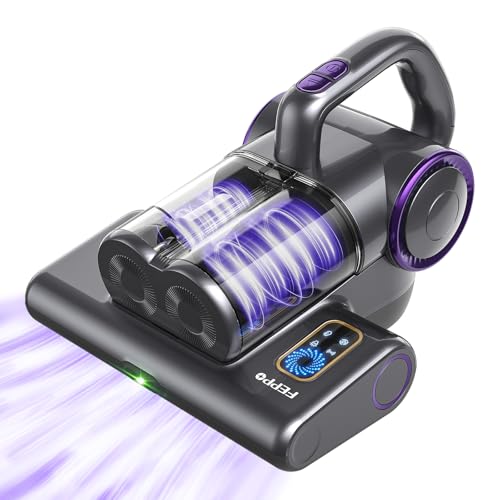
- Vacuum cleaner with an upholstery attachment
- Soft brush or lint roller
- Microfiber cloths
- Bucket or spray bottle for solutions
- Gentle fabric cleaner or mild detergent
- White vinegar or baking soda for natural deodorizing
- Stain remover specific to the material
These items help me tackle dust, stains, and odors effectively, ensuring a thorough cleaning process. Having them ready streamlines my efforts and enhances the results.
Check the manufacturer’s care label
First, locate the care label on your item to understand specific cleaning instructions. These labels provide symbols indicating the right cleaning methods and agents to use.
| Symbol | Meaning |
|---|---|
| W | Water-based cleaning; safe to use water or appropriate cleaning solvents. |
| S | Solvent cleaning; use only solvent-based cleaners, avoid water. |
| WS | Water or solvent-based cleaning can be used. |
| X | Vacuum only; do not use any water or solvent cleaning methods. |
Following these guidelines from the label prevents damage or discoloration. Adhering to the manufacturer’s recommendations ensures longevity and maintains the item’s appearance. If the label is missing or unreadable, test a small, inconspicuous area before proceeding with any cleaning method.
Vacuum the Upholstered Pieces Thoroughly
I ensure I use a vacuum cleaner equipped with an upholstery attachment, which is designed to reach into the fibers of the material. I start by removing any loose cushions or throws to access all surfaces. I run the vacuum over every section, including seams and crevices where dirt and dust accumulate.
I pay attention to high-traffic areas, as these tend to gather more debris. For delicate or intricate patterns, I use the brush nozzle to protect the fibers while still effectively removing particles.
If I encounter stubborn debris, I gently brush it away using a soft-bristled brush before vacuuming again. This technique preserves the integrity of the surface while ensuring it’s free from dust and allergens.
<p.After vacuuming, I check for any remaining spots or stains and treat them accordingly before moving on to the next cleaning step. Regular vacuuming forms the foundation of maintaining the cleanliness and appearance of the upholstered items.
Spot clean stains with appropriate solutions
I focus on immediately treating stains to prevent them from setting. For water-based stains, I combine mild dish soap with water. Dampen a clean cloth with the mixture, blot the area gently, and then rinse with a cloth soaked in plain water to remove any soap residue.
<p.For oil-based stains, I use a solution of white vinegar and dish soap. Mixing equal parts of both helps to break down the oils. I apply it to the stain, allow it to sit for a few minutes, and then blot it away with a clean cloth.
For ink marks, rubbing alcohol works effectively. I dab a small amount on a cotton ball and gently tap the stain without rubbing, allowing the alcohol to lift the ink.
When dealing with food spills, I sprinkle baking soda over fresh stains to absorb moisture, let it sit for about 15 minutes, and then vacuum it up before applying a cleaning solution.
Always conduct a spot test on an inconspicuous area first to ensure no discoloration occurs. Each stain requires specific treatment, so adjusting my approach based on the type is essential for effectiveness.
Use a steam cleaner for deep sanitization
I recommend utilizing a steam cleaner to eliminate allergens, dust mites, and bacteria from upholstered surfaces. Select a model with adjustable pressure settings for added versatility.
Prior to steaming, ensure that the upholstery is compatible with high heat; consult the care label to avoid damaging fibers. Begin by testing a small, inconspicuous area to confirm colorfastness.
Fill the machine with distilled water, which prevents mineral buildup and enhances performance. Allow it to heat up according to the manufacturer’s instructions. For best results, maintain a steady distance of about six inches from the material while moving the nozzle in even strokes.
Focus on seams, under cushions, and heavily soiled areas. The hot vapor penetrates fabric and loosens grime, making it easier to clean. Pay special attention to any spots that may require additional treatment.
After steaming, allow the upholstery to dry thoroughly. Use fans or open windows to help with air circulation. This process not only refreshes the appearance but also contributes to a healthier indoor environment.
Air Out the Seating
After completing the cleaning process, it’s time to let the seating breathe. Open windows to promote air circulation and help remove any lingering moisture and cleaning product odors. If weather permits, place the items outside for a few hours to enhance the drying effect. Ensure they are in a shaded area to prevent sun damage while still allowing fresh air to flow around them.
Use Fans for Enhanced Airflow
To expedite drying, direct fans toward the cleaned surfaces. Positioning a fan nearby aids in reducing dampness and speeding up evaporation. Rotate the fan occasionally to reach every angle, ensuring a thorough airing process.
Maintain Room Ventilation
Keep the room well-ventilated for an extended period post-cleaning. Leaving windows ajar or using an exhaust fan can contribute to a fresher atmosphere. Avoid covering the items until they are thoroughly dried to prevent mildew or unpleasant smells from developing.
Maintain cleanliness with regular upkeep
Commit to a weekly routine for maintaining your upholstered pieces. This includes a thorough vacuuming, paying special attention to nooks and crevices where dust accumulates. Make sure to use a brush attachment to avoid snagging the material. Additionally, I dedicate time each month to inspect for any stains or wear, addressing issues before they worsen.
Establish a cleaning schedule
I find it beneficial to create a cleaning calendar. Assign specific tasks for each week, such as deep cleaning one area or checking for spills. This structured approach prevents any area from being ignored and keeps everything looking fresh.
Rotate cushions and pillows
To ensure even wear and maintain comfort, I regularly rotate cushions and pillows. This small change extends the life of my seating areas and helps distribute use more evenly. Plus, it refreshes the look of the space without extra effort.