
 Caleb Turner

To revitalize outdoor seating made from sturdy alloys, I recommend using a medium-grit sandpaper, such as 120-grit. This choice strikes a balance between efficiently removing old paint or rust without damaging the underlying surface. As I work, I ensure to apply even pressure, moving the sandpaper in smooth, circular motions for consistent results.
Wearing a dust mask and safety goggles is crucial to protect against harmful particles. I always take the time to set up my workspace in a well-ventilated area. After thoroughly sanding the surface, I use a damp cloth to wipe away dust and debris, preparing the seating for refinishing.



For the best finish, I choose a high-quality primer designed for use with metallic surfaces, followed by a weather-resistant paint. This approach not only enhances the aesthetics but also ensures longevity against harsh elements. Following these steps will help maintain the allure and durability of your outdoor seating for years to come.
Steps for Refinishing Outdoor Seating
Ensure to gather a dust mask, safety goggles, and gloves before working on outdoor seating. Start with a coarse grit abrasive material, such as 80-grit, to effectively remove old paint or corrosion. Apply consistent pressure in a circular motion, focusing on rough areas. Switch to a medium grit, like 120-grit, to refine the surface after initial treatment.
For intricate designs, use a sanding sponge or detail sander to reach into crevices without damaging the overall structure. After achieving a smooth finish, clean the surface with a damp cloth to remove dust and debris.
Allow the items to dry completely before proceeding to priming. Select a high-quality primer formulated for the specific materials you are working with. Apply it evenly and let it cure as per the manufacturer’s instructions.
Once primed, I recommend using a spray paint designed for outdoor usage. It provides an even coat and protects against weather elements. Multiple thin layers will give a more durable finish than a single thick application.
Choosing the Right Sandpaper Grit for Metal
I recommend beginning with a coarse grit, around 80-120, for removing old paint or rust. This will help to quickly strip the surface without excessive effort. For any significant imperfections or uneven areas, this grit is also effective.
Progressing to Medium Grit
Once the rough spots are addressed, switch to a medium grit, such as 150-220. This stage smooths out the surface, preparing it for a finer finish. This step eliminates scratches from the coarse grit.
Finishing with Fine Grit
For the final touch, utilize fine grit ranging from 320 to 400. This provides a polished look, ensuring that the surface is ready for painting or sealing. The finer the grit, the smoother the finish, enhancing the overall appearance of the items.
Preparing the Workspace and Furniture for Sanding
Remove any cushions, covers, or accessories from the pieces I’m working on to prevent damage during the process. I make sure to clean the surfaces thoroughly with a damp cloth to eliminate dust, dirt, and grease. Allow them to dry completely before proceeding.
Workspace Arrangement
Setting up my workspace involves choosing a well-ventilated area, preferably outdoors or in a garage. I lay down a drop cloth or tarp to catch debris and protect the ground. I also bring along a sturdy table or workbench to hold the items securely while I work.
Safety Precautions
Wearing appropriate safety gear is mandatory. I equip myself with gloves, goggles, and a dust mask to safeguard against particulate matter and debris. Ensuring there are no flammable materials nearby also prevents hazards during the project.
| Item | Notes |
|---|---|
| Cushions and Covers | Remove to protect from damage |
| Cleaning Supplies | Use damp cloth to eliminate dust |
| Drop Cloth/Tarp | Protect ground and catch debris |
| Safety Gear | Wear gloves, goggles, and dust mask |
After ensuring the workspace is set up, I inspect the pieces for any rust or peeling paint, addressing these areas before beginning with the abrasive process. This preparation lays the groundwork for achieving optimal results.
Safety Precautions to Take Before Sanding
Always wear appropriate personal protective equipment (PPE), including safety goggles, gloves, and a mask to protect against dust inhalation and debris.
Protective Gear
- Use safety goggles to shield your eyes from particles.
- Wear a dust mask or respirator to guard against inhaling fine particles.
- Rubber or nitrile gloves will protect your hands and skin from sharp edges and chemicals.
Workspace Preparation
- Ensure the area is well-ventilated to avoid dust accumulation and chemical fumes.
- Remove any obstacles from your workspace to prevent accidents.
- Consider using a drop cloth or plastic sheeting to contain debris and dust.
Be aware of your surroundings. If working outdoors, ensure that the area is free from flammable materials and be cautious of changing weather conditions.
Keep a fire extinguisher nearby, especially when using power tools that generate heat. Inform anyone in the vicinity about your project, and make sure they maintain a safe distance.
Before starting, double-check that all tools and equipment are in good working order, with no exposed wires or defects. Following these steps will help create a safer environment for your undertaking.
Techniques for Sanding Different Metal Types
For aluminum, I use a finer grit, starting around 120 and progressing to 240 or higher. This prevents deep scratches and preserves the lightweight nature of the alloy. I apply even pressure and keep the motion consistent to avoid uneven surfaces.
Working with Steel
For steel items, a coarser grit, such as 80 or 100, is effective, especially if I’m removing rust or heavy paint. Once the surface is clean, I switch to 180 or 220 grit for smoothing. A sanding block helps maintain flatness, allowing for better control.
Dealing with Stainless Steel
With stainless varieties, I opt for a 120-grit sandpaper initially to tackle any imperfections. I finish with 220 to 400 grit to attain a polished look. Using circular motions minimizes visible scratches and enhances the shine.
For any type, it’s crucial to follow the grain of the surface, as this improves the final finish and reduces additional work after. Additionally, I often use a vacuum or compressed air to remove dust, ensuring a clean workspace for the next steps.
Using Power Tools vs. Manual Techniques
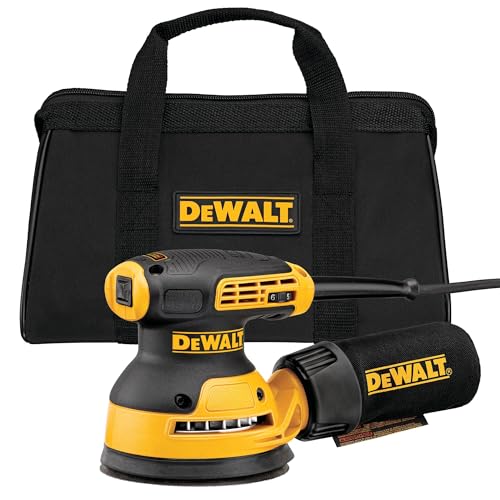
I prefer using power tools for larger surfaces due to their speed and efficiency. Random orbital sanders effectively remove rust and old paint, cutting my workload significantly. For intricate designs and tight spaces, I switch to manual techniques, which provide better control and precision. Hand sanding allows me to reach every contour without risking damage to the underlying structure.
Power Tools Advantages
Electric sanders reduce fatigue during prolonged tasks, making them ideal for extensive restoration projects. The variable speed settings help tailor the operation to the material’s condition, ensuring optimal results without excessive abrasion. Dust collection systems in some models keep the workspace clean, enhancing visibility and safety.
Manual Techniques Benefits
Using a sanding block or hand-held paper gives me a tactile sense of the surface, which helps in identifying areas needing extra attention. It allows for fine-tuning and a careful finish, especially on edges and curves. The quieter operation is a bonus, as it makes it easier to concentrate on the task without excess noise.
While power tools expedite the process, a combination of both methods yields the best outcome, balancing speed with precision. Adapting my approach based on the specific requirements of the job ensures I achieve a high-quality finish every time.
Tips for Achieving a Smooth Finish
Use progressively finer abrasives to create a polished surface. Begin with coarse grit to remove imperfections, then gradually switch to finer grits, finishing with a 400 or 600 grit for a silky texture.
Consistent Pressure
Maintain even pressure throughout the process to avoid uneven surfaces. Concentrate on areas with visible scratches, but ensure a uniform touch across all sections.
Finish with a Polish
After achieving your desired texture, apply a metal polish or protective coating. This not only enhances the shine but also adds a layer of protection against future wear and corrosion.
Cleaning the Surface After Sanding
After the abrasive process, it’s important to ensure the area is free from dust and debris. Begin by using a vacuum with a brush attachment to remove larger particles effectively.
Next, take a damp cloth or sponge to wipe down the surface. This helps capture any remaining residue that the vacuum might miss. A mild soap solution can be used for stubborn spots–just make sure to rinse thoroughly afterward to avoid any soap film.
For intricate designs or tight corners, utilize a small brush to get into those hard-to-reach areas, ensuring a complete clean. After the surface is dry, inspect it closely to confirm that no particles remain.
Additionally, consider using a tack cloth after the initial cleaning. This will pick up any fine dust particles left behind, ensuring a pristine surface ready for the next steps of your project.
Applying Primer and Paint Post-Sanding
Before applying any primer or paint, ensure that the surface is completely dry and free from dust. It’s crucial to use a high-quality metal primer that fits your selected topcoat. I opt for a rust-inhibiting primer, especially for outdoor items, as it provides better protection against the elements.
Using a paint sprayer or high-density foam roller enhances even coverage. If applying spray paint, maintain a consistent distance from the surface–typically around 6 to 12 inches–to prevent drips. I recommend multiple thin coats rather than one thick layer, allowing adequate drying time between applications as per manufacturer instructions.
Once the primer dries, it’s vital to lightly scuff the surface before adding the final paint layer. This step enhances adherence and results in a smoother finish. When choosing paint, opt for a product specifically designed for metal; these typically offer superior durability and weather resistance.
For finishing touches, a clear sealer can add an extra layer of protection against scratches and UV rays. I prefer to use a spray-on clear coat for ease of application and even distribution.
Always keep the working area well-ventilated, especially when using aerosol products, to ensure a safe and pleasant experience. With the right preparation and application techniques, the transformation of outdoor pieces will be remarkable.
Maintaining Sanded Furniture for Longevity
To ensure durability, regularly inspect the surfaces for signs of wear or damage. Promptly address any rust or chipping paint to prevent deterioration.
Regular Cleaning
- Wipe down the surfaces weekly with a damp cloth to remove dust and debris.
- Use a mild detergent occasionally to eliminate stubborn stains.
Protective Coatings
- Apply a clear sealant or wax every few months to enhance protection against elements.
- Consider using furniture covers when not in use, especially during harsh weather.
Inspect joints and connections, tightening screws and bolts as needed to maintain structural integrity. Regular upkeep ensures that the revitalized pieces remain functional and visually appealing for years to come.
FAQ:
What tools do I need to sand metal patio furniture?
To sand metal patio furniture, you will typically need a few basic tools. A power sander, such as a palm sander or an orbital sander, can make the process quicker and more efficient. You will also need various grits of sandpaper, starting from a coarse grit (around 80) for removing rust or old paint, progressing to a finer grit (up to 220) for a smooth finish. Additionally, a wire brush can help in getting into tight spaces, while safety gear like gloves and a dust mask should be worn to protect yourself from dust and debris.
How do I prepare my metal patio furniture for sanding?
Preparing metal patio furniture for sanding is an important step to ensure a good finish. Begin by cleaning the furniture thoroughly to remove any dirt, grime, or grease. A mixture of soapy water can be effective. After cleaning, let the furniture dry completely. If there is any peeling paint or rust, use a wire brush or scraper to remove these areas. Make sure to inspect the furniture for loose parts or sharp edges and address any safety concerns before you start sanding.
What’s the best technique for sanding metal patio furniture?
The best technique for sanding metal patio furniture involves a few key steps. Start with the coarser grit sandpaper to remove any rust or old paint, applying even pressure across the surface. Move the sander or your hand in the direction of the metal grain to avoid scratches. Once the surface is even and clean, switch to a finer grit sandpaper to smooth out the surface and prepare it for painting or sealing. Always ensure that you wear protective equipment and work in a well-ventilated area to avoid inhaling dust particles.
How long does it take to sand metal patio furniture?
The time it takes to sand metal patio furniture can vary based on several factors, such as the size of the furniture, the extent of rust or paint that needs to be removed, and your working speed. For a standard patio chair, the sanding process could take anywhere from 30 minutes to a couple of hours. If you’re dealing with larger pieces, like a table or a sectional, allow for more time. It’s best to approach the process methodically, ensuring quality sanding rather than rushing through it.
Should I apply a primer after sanding metal patio furniture?
Yes, applying a primer after sanding metal patio furniture is recommended. Once you’ve completed the sanding, ensure that the surface is clean and free of dust before applying the primer. A good quality metal primer helps to protect the surface from rust and ensures that the paint adheres properly. It also provides a smoother finish for the topcoat. Make sure to choose a primer that is compatible with the type of paint you plan to use for the best results.
What materials do I need for sanding metal patio furniture?
To sand metal patio furniture, you will need the following materials: sandpaper (preferably a range of grits from coarse to fine, such as 80, 120, and 220), a sanding block or orbital sander for better grip, a wire brush for removing rust, and protective equipment like gloves, goggles, and a mask to avoid inhaling dust particles. Optionally, you may want to have a vacuum cleaner handy to collect dust and debris as you work.
Can you explain the sanding process step-by-step for metal patio furniture?
Certainly! First, ensure your furniture is clean and free of debris. Start with a wire brush to remove any rust or loose paint. Next, take coarse sandpaper (80-grit) and sand the entire surface to smooth out imperfections and old finishes. Always sand in the direction of the grain to avoid scratches. Once you’ve achieved a smooth surface, switch to medium sandpaper (120-grit) to refine the finish. Finally, use fine sandpaper (220-grit) for a smooth, even surface that’s ready for painting or sealing. After sanding, clean the furniture with a cloth to remove any dust before applying a protective layer like paint or sealant for durability.


