
 Caleb Turner

Investing in an engaging and user-friendly online presence is non-negotiable. A well-designed website with easy navigation, high-quality images, and detailed product descriptions can dramatically increase customer interest. Implementing an e-commerce platform allows customers to browse and purchase items effortlessly, tapping into a global market.
Understanding your target demographic shapes your marketing efforts. Conduct thorough market research to identify preferences and trends in the home decor sector. Tailoring your product offerings and marketing messages to resonate with this specific audience enhances the likelihood of successful conversions.


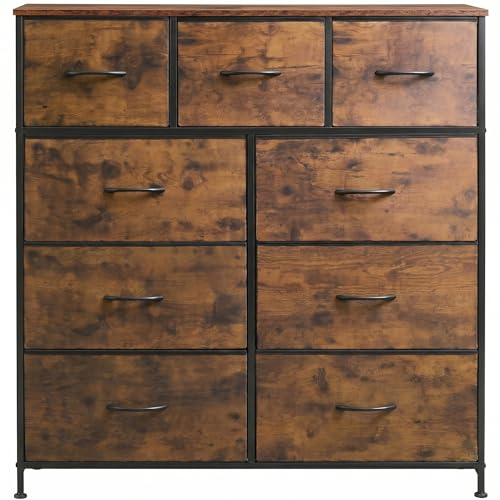

Building strong relationships with suppliers is another key aspect. Reliable partnerships ensure consistent stock availability and competitive pricing, enabling better profit margins. Negotiating favorable terms and exploring unique product lines can differentiate your offerings from competitors, attracting a wider customer base.
Offering exceptional customer service transforms one-time buyers into loyal patrons. Train your staff to be knowledgeable about products and attentive to customer needs. Creating a welcoming and engaging atmosphere in the physical location, along with after-sales support, reinforces customer satisfaction and encourages repeat business.
Identifying Your Target Market
Begin with defining buyer personas that reflect specific demographics such as age, income, location, and lifestyle preferences. Consider conducting surveys to collect data directly from potential customers. Utilize social media platforms and analytics tools to gain insights into audience behaviors and interests.
Segment Your Audience
Segment your audience based on distinct characteristics like family size, home ownership status, and design preferences. For example, young professionals may prioritize modern aesthetics, while families might seek durable, functional pieces. Tailoring your offerings to these segments helps align your inventory with customer needs.
Monitor Competitors
Analyze competitors to identify their target demographics. Evaluate their advertising strategies, product range, and customer engagement methods. Use this data to refine your approach and distinguish your offerings, ensuring that you appeal to underserved segments in the market.
Choosing the Right Location for Your Business
Prioritize foot traffic. The more potential customers pass by, the higher the likelihood of sales. Look for areas with heavy pedestrian movement, such as near popular shopping centers or dining establishments.
Analyze the demographics of the neighborhood. Gather data on income levels, age distribution, and lifestyle preferences. This insight helps identify if your offerings align with the local population.
Accessibility Matters
- Ensure parking facilities are available for your clientele. Lack of parking can deter customers from visiting.
- Choose locations with good public transportation access. This can expand your customer base beyond those who drive.
Evaluate Competition
Research nearby outlets that offer similar products. A saturated market may reduce your visibility. Conversely, a complementary business nearby can attract customers in search of related items.
Consider other various store types in the vicinity. Establishing your business near home improvement stores can be beneficial, attracting customers seeking to furnish their spaces.
Leverage local events to boost brand awareness. Locations close to venues that host community events can provide additional exposure to potential buyers, especially during peak seasons.
After choosing a location, continue monitoring the area for changes. Retail environments can shift, and ongoing analysis ensures your business remains adaptable and aligned with market demands.
Creating an Attractive Store Layout
Investing time in a well-thought-out layout significantly enhances the shopping experience. I focus on creating clear pathways that guide customers through the showroom. This approach enables them to explore various sections without feeling overwhelmed. Utilize wide aisles and open spaces to encourage flow and keep the environment inviting.
Zone Division
I categorize the showroom into distinct zones: living room, bedroom, dining area, and office. Each zone is strategically placed to highlight complementary items together, promoting cohesive styling ideas. To keep things dynamic, I occasionally rotate displays, showcasing new trends or seasonal themes that refresh the environment and maintain customer interest.
Utilizing Visual Merchandising
Visual merchandising plays a key role in captivating attention. I use focal points–like uniquely designed pieces or seasonal displays–to draw customers in immediately. Lighting is deliberately chosen to accentuate products, highlighting textures and colors. I also incorporate interactive elements, such as fabric swatches or lifestyle vignettes, to create a tactile experience, allowing customers to envision the pieces in their own spaces.
By ensuring every element, from layout to presentation, aligns with customer preferences, I create an engaging, memorable visit that invites repeat customers.
Building a Diverse Product Range
Include items that cater to various tastes and budgets. I focus on a mix of traditional, contemporary, and eclectic styles, ensuring that every customer finds something appealing. Balance high-end pieces with affordable options to attract a wider audience.
Incorporate Different Materials
- Wood: Offer items made from different types of wood like oak, pine, and walnut.
- Metal: Include steel and aluminum for a modern touch.
- Fabric: Provide a variety of upholstery options such as leather, cotton, and synthetic materials.
By showcasing diverse materials, I tap into the preferences of various consumers. It also allows me to highlight sustainability by including reclaimed and eco-friendly materials.
Seasonal and Trend-Based Collections
- Change inventory with seasons. For example, emphasize outdoor furniture during the spring and summer months.
- Stay aware of design trends and introduce limited edition pieces that reflect current popular styles.
Rotating items not only creates excitement but also encourages repeat visits from customers eager to see what’s new. Engaging in social media trends can also help in curating collections that resonate with potential buyers.
Lastly, collecting feedback from customers can guide future product decisions. Encourage suggestions and remain flexible in adapting the product range based on what resonates with the clientele.
Establishing Strong Supplier Relationships
Direct communication with suppliers is fundamental. I make it a point to schedule regular meetings, whether in-person or via video calls, to discuss inventory levels, upcoming trends, and any issues that may arise. This proactive approach helps build trust and ensures that both parties are aligned on expectations.
Negotiation and Terms
Clear negotiating terms can prevent misunderstandings. I always request detailed contracts that outline pricing, delivery schedules, and payment terms. This clarity reduces potential conflicts. It’s also beneficial to negotiate favorable return policies and aspects regarding defective goods. This adds a layer of security to my purchases, making it easier to adapt to market demands.
Collaboration and Feedback
I encourage suppliers to provide input on product design and emerging styles. Regular feedback sessions create a collaborative atmosphere, where both sides feel invested in the shared goal of success. I’ve found that being appreciative of their insights fosters stronger ties, making them more willing to go the extra mile during busy seasons.
Implementing Effective Marketing Strategies
Leverage social media platforms for targeted advertising. This allows direct communication with specific demographics. I recommend creating visually appealing content showcasing products in real-life settings, driving engagement and shares.
Utilize email marketing to maintain customer relationships. Segment your audience based on purchase history and preferences. Craft tailored messages promoting sales, new arrivals, or exclusive events to keep them interested.
Invest in search engine optimization (SEO) for your website. Focus on local keywords to attract customers within your area. Regularly update your blog with valuable content about trends and tips, boosting your online visibility.
Offer loyalty programs or referral discounts. Encouraging repeat purchases and word-of-mouth referrals can significantly increase your customer base without excessive advertising costs.
Host events or workshops to interact with the community. Collaborating with local influencers can amplify your reach and establish trust among potential buyers.
Analyze your marketing efforts continuously. Use analytics tools to track website traffic, conversion rates, and customer engagement. Adjust strategies based on data insights for improved outcomes.
Leveraging Social Media for Customer Engagement
Utilize platforms like Instagram and Pinterest to showcase eye-catching visuals of your merchandise. High-quality photos of well-styled rooms featuring your items can captivate potential buyers. Regularly updating your feed with fresh content keeps your brand top-of-mind.
Engage with followers by asking for their opinions on new collections or styles. Conducting polls or surveys not only gathers feedback but also fosters a sense of community around your brand.
Leverage user-generated content; encourage customers to share photos of their purchases in their homes. This approach creates authentic testimonials and builds trust among your audience. Consider featuring these images on your social channels to enhance engagement.
Utilize stories and live sessions to provide behind-the-scenes looks at new arrivals or upcoming sales events. Engage audiences through Q&A segments, where you address their questions directly, making them feel valued and connected to your brand.
Incorporate relevant hashtags to expand your reach. Research trending and specific phrases related to home decor and furnishings to attract a targeted audience interested in your niche.
Collaborate with influencers who align with your aesthetic. Their endorsements can introduce your products to new demographics and build credibility in a crowded market.
Run exclusive promotions or giveaways on social media, creating urgency and excitement. Encourage sharing to amplify your outreach, potentially bringing new customers into your ecosystem.
Monitor engagement metrics regularly to understand which types of content resonate with your audience. Utilize this data to refine your strategy, focusing on what drives interaction and interest.
Stay consistent in establishing your brand’s voice; whether it’s playful, sophisticated, or approachable, ensure that all posts reflect this tone. This consistency builds recognition and loyalty over time.
Training Staff for Exceptional Customer Service
To create memorable interactions, I focus on immersive training programs that prioritize product knowledge and interpersonal skills. It’s critical for my team to understand the features and benefits of each item we offer. I implement structured workshops that allow employees to physically engage with products, ensuring they can confidently share insights with clients.
Role-playing scenarios are also central to my strategy. By simulating diverse customer interactions, staff can practice handling inquiries, addressing concerns, and guiding buyers without the pressure of real customers. This hands-on approach prepares them for various situations and builds their confidence.
I also emphasize the importance of active listening. Training sessions include exercises that enable employees to sharpen their listening skills, which helps in accurately identifying the needs of customers. I provide feedback that encourages patience and empathy in every interaction.
Furthermore, I prioritize ongoing training. Regular staff meetings keep the team updated on new products and sales techniques, along with sharing customer feedback to highlight what’s working and what needs improvement. This fosters a culture of continuous learning.
Incentives play a role too. I establish a rewards program that recognizes those who excel in customer service. This not only motivates the team but also encourages friendly competition that enhances performance.
| Training Aspect | Details |
|---|---|
| Product Knowledge | Hands-on workshops to learn about features and benefits. |
| Role-playing | Simulating customer interactions to build confidence. |
| Active Listening | Exercises to improve understanding of customer needs. |
| Ongoing Development | Regular meetings to share updates and feedback. |
| Incentives | Rewards program to encourage outstanding service. |
By integrating these strategies, the result is a team that provides genuine, knowledgeable service that customers appreciate and remember, leading to repeat business and loyalty.
Utilizing Technology for Inventory Management
Implement a robust inventory management system that integrates with point-of-sale systems. This allows for real-time data tracking, ensuring stock levels are always accurate.
Utilize barcode scanning technology to simplify inventory tracking. Each item can be easily scanned upon receiving and sold, reducing manual errors and saving time.
Leverage cloud-based solutions for inventory management, allowing access from any device at any time. This flexibility enhances collaboration and decision-making across teams.
Pull reports regularly to analyze sales trends and inventory turnover rates. This data informs purchasing decisions and helps avoid overstocking or stockouts.
Incorporate automated reorder points to maintain optimal inventory levels. Set thresholds for when items should be reordered to streamline procurement processes.
Explore the use of inventory management software that supports integrations with e-commerce platforms. This creates a seamless experience for online and in-store sales.
Consider implementing RFID technology for larger warehouses. It provides more accurate tracking and quicker inventory audits compared to traditional methods.
Regularly train staff on using these technological tools. Proficient use of these systems optimizes workflow and enhances overall inventory accuracy.
FAQ:
What are the key factors to consider for a successful furniture store?
Several factors contribute to running a successful furniture store. Firstly, understanding your target market is crucial; knowing their preferences and needs will guide your product selection. Secondly, location plays a significant role in attracting customers; a site with high foot traffic can increase visibility. Additionally, effective marketing strategies, both online and offline, help reach potential customers. Customer service is also a vital aspect, as providing a positive shopping experience encourages repeat business. Lastly, maintaining inventory that reflects current design trends can keep your store fresh and appealing.
How can effective marketing improve sales for a furniture store?
Effective marketing is instrumental in enhancing sales for a furniture store. By utilizing platforms such as social media, email newsletters, and local advertising, you can create awareness about your store and products. Engaging content, such as design tips and customer testimonials, can draw in potential buyers. Furthermore, promotions or sales events can create urgency and attract new customers. Consistent branding and presence across channels help establish trust and recognition in the community, ultimately leading to increased sales.
What role does customer service play in the success of a furniture store?
Customer service is paramount in the success of any retail business, including furniture stores. Quality service can differentiate your store from competitors. Positive interactions with staff can lead customers to feel valued and appreciated, fostering loyalty. Efficient handling of inquiries, returns, and delivery issues can enhance overall customer satisfaction. A furniture store with a reputation for excellent service is likely to attract repeat business and referrals, significantly contributing to long-term success.
What types of furniture should a new store focus on selling?
A new furniture store should consider focusing on items that cater to the needs and tastes of its target customers. Popular categories include contemporary, classic, and sustainable furniture. It’s essential to keep an eye on market trends; for example, multifunctional furniture suitable for small living spaces can appeal to urban customers. Offering a range of products, from budget-friendly options to high-end pieces, can attract a diverse clientele. Additionally, including accessories, such as home decor items, can enhance your product offering and increase sales opportunities.
How important is an online presence for a furniture store?
An online presence is increasingly important for furniture stores. With more consumers shopping online, having a user-friendly website and active social media profiles can significantly expand your reach. An effective online platform allows customers to view products, make purchases, and read reviews from the comfort of their homes. Additionally, optimizing your website for search engines can improve visibility, attracting more traffic. Showcasing beautiful images of your furniture in styled settings can also serve as inspiration for buyers and encourage them to visit your physical store.
What are the key factors to consider when selecting a location for a furniture store?
Choosing the right location for a furniture store is critical for attracting customers and generating sales. First, consider foot traffic; a high-visibility area with lots of potential customers passing by can significantly boost your business. Next, evaluate the demographics of the area to ensure they align with your target market. Check for nearby competitors; while being close to similar stores can sometimes attract more shoppers, being too close might limit your share of the market. Accessibility is also important; make sure there is adequate parking and that the store is easy to reach. Lastly, local economic conditions can influence the success of your store, so research the area’s economic stability and growth potential.
How can I effectively market my furniture store to increase sales?
Marketing a furniture store effectively involves a blend of online and offline strategies. Start by establishing a strong online presence; this includes a user-friendly website showcasing your products and an active social media presence where you can engage with customers. Use targeted online ads to reach potential buyers based on their interests and behaviors. Collaborating with local designers and influencers for events or promotions can also attract attention to your store. In addition, traditional advertising methods, such as local newspaper ads or radio spots, can be effective in reaching customers within your community. Hosting events, like workshops or special sales, can create a buzz around your store and encourage foot traffic. Building relationships with customers through excellent service and loyalty programs plays an equally important role, encouraging repeat visits and referrals.


