
 Caleb Turner

To restore those beloved wooden pieces, I first ensure a clean surface. A mixture of mild soap and warm water works wonders–simply dampen a cloth and gently wipe down the surface. This step not only removes dirt but also prepares the wood for treatments that follow.
Next, I focus on treating scratches and wear. A solution of equal parts vinegar and olive oil can be applied sparingly with a soft cloth. This concoction nourishes the grain and hides minor imperfections, restoring a deep luster to the wood.
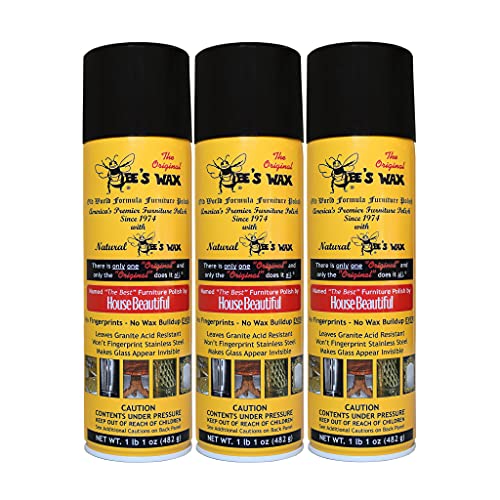


After nourishing the surface, I find that polishing is key. A high-quality beeswax polish provides a protective barrier and enhances the natural beauty. I apply it evenly, following the wood’s grain, and buff it with a clean, dry cloth. This final touch not only beautifies but also helps to shield against future damage.
Assessing the condition of your hardwood pieces
I begin with a visual inspection. Look for scratches, dents, and discolorations on the surface. A soft cloth can help to reveal any hidden blemishes that need attention.
Next, I check for structural integrity. Gently shake the item to identify any wobbling or loose joints. If something feels unstable, it might require re-gluing or additional support.
Moisture damage is another area of concern. I examine for warping or swelling, which may indicate humidity issues. Using a moisture meter can provide precise readings in critical areas.
It’s essential to evaluate the finish. If it appears dull or sticky, this may signal the need for refinishing. I look for signs of peeling or flaking that suggest a compromised protective layer.
Lastly, I investigate any pest damage. Small holes or powdery residue could indicate a wood-boring insect issue. Addressing this promptly can prevent further destruction.
Choosing the Right Cleaning Solution for Oak
I recommend using a gentle solution that won’t damage the surface. A mixture of mild dish soap and warm water works effectively. Mix one tablespoon of soap into a bucket of water, ensuring it’s well combined.
Homemade Solutions
- For sticky residues, combine one part vinegar with three parts water. This natural mixture cuts through grime without harsh chemicals.
- Olive oil and white vinegar in a 2:1 ratio can revive the sheen. Apply with a soft cloth to avoid scratches.
Commercial Products
When opting for store-bought options, look for solutions specifically designed for wood care. Avoid products containing ammonia or strong abrasives.
- Cleaners with beeswax or natural oils nourish while cleaning.
- Check labels for pH balance; a neutral pH is safest for wood surfaces.
Always test any solution on a small, inconspicuous area first. This ensures compatibility and prevents potential damage to the finish.
Techniques for Removing Scratches and Dents
For minor blemishes, I often depend on a simple paste of baking soda and water. I mix equal parts until it reaches a doughy consistency, apply it to the affected area, and gently rub in the direction of the grain. After a few minutes, I wipe it off and admire the results.
Utilizing a Walnut
When dealing with light scratches, I rely on the natural oils found in walnuts. I simply rub a half of the nut over the scratches. The oils penetrate the wood, helping to disguise the imperfections and restore some of the original luster.
Steam Method for Dents
For deeper dents, steam can work wonders. I place a damp cloth over the dent and use an iron on low heat. The steam from the cloth raises the wood fibers, allowing them to expand back to their original position. I ensure not to leave the iron too long to prevent burns.
For any method, after treatment, I usually follow up with a coat of polish to protect and enhance the finish.
Properly Sanding Oak Pieces
Begin with a coarse-grit sandpaper, like 80-grit, to remove old finishes and any substantial imperfections. Use a sanding block or hand sander for flat surfaces to ensure even pressure and avoid gouging. For intricate details, opt for foam sanding pads or wrap sandpaper around a smaller block.
After the initial sanding, switch to a medium-grit sandpaper, around 120-grit. This will smooth out any rough patches left by the coarser paper. Sand in the direction of the wood grain, applying consistent pressure, which helps prevent swirl marks.
Finish with a fine-grit sandpaper, such as 220-grit, to prepare the surface for staining or sealing. This step enhances the wood’s texture and allows for better absorption of treatments. Pay close attention to edges and corners, which may require additional care.
Between each sanding stage, wipe down the surface with a damp cloth to remove dust particles. For a final cleanup, vacuum the area to ensure no debris remains; this helps achieve a smooth finish.
If working on intricate designs, consider using a detail sander for hard-to-reach spots. For larger surfaces, a power sander can save time but ensure not to apply too much pressure, preventing damage to the wood.
Selecting and Applying Suitable Finishes
Choose finishes based on desired aesthetics and protection. Common options include oil, wax, and lacquer. Each offers distinct characteristics suitable for various applications.
Oil Finishes
Oil finishes enrich the wood’s natural color and provide a soft, hand-rubbed sheen. Popular choices are tung oil and linseed oil. Follow these steps:
- Clean the surface thoroughly before applying.
- Use a clean, lint-free cloth to apply a thin layer of oil.
- Let it soak in for 20-30 minutes, then wipe off excess.
- Repeat this process for a deeper finish, allowing adequate drying time between coats.
Wax Finishes
Wax adds a protective layer and enhances sheen. Useful for pieces with light wear. Here’s how to apply:
- Ensure the surface is clean and dry.
- Apply a thin coat of paste wax using a soft cloth.
- Buff the surface with another cloth until shiny.
- Reapply every few months to maintain the finish.
Lacquer Finishes
Lacquer offers durability and a high-gloss finish. Requires spray application for best results:
- Place the item in a well-ventilated area.
- Shake the spray can well before use.
- Apply a light, even coat from about 12 inches away.
- Allow drying, then sand lightly with fine-grit paper before applying additional coats.
Always test your chosen finish on a small, inconspicuous area to ensure compatibility and desired results. This precaution avoids unwanted surprises after full application.
Restoring the natural luster of hardwood
Using mineral oil or beeswax can serve as an effective method to rejuvenate the shine of the wood. I apply these products lightly using a soft cloth, working in small sections to ensure even coverage. Regular, gentle application helps nourish the wood while enhancing its natural beauty.
To achieve a deeper sheen, I sometimes mix equal parts of vinegar and olive oil. This combination acts as a natural polish; I wipe it onto the surface, allowing it to penetrate before buffing with a clean, dry cloth. The result is a refreshed appearance and added protection against scratches.
In areas that require more intensive attention, I consider using a blend of linseed oil and turpentine. After applying this mixture, I let it sit for a few hours before buffing it out. This treatment not only restores the luster but also helps to seal the surface, ensuring lasting results.
Maintaining humidity levels is also crucial for enhancing the shine. I aim for an environment with a relative humidity of around 40-60% to prevent the wood from drying out, which can diminish its natural glow. A humidifier may be beneficial during drier seasons.
Lastly, I ensure regular dusting and light cleaning to keep surfaces free from grime. This practice, paired with the occasional polishing, helps sustain the lustrous finish over time.
Protecting Furniture from Future Damage
I recommend applying a high-quality wood polish regularly to maintain the protective barrier on the surface of your items. Aim for a product specifically designed for the type of material being treated; this will enhance its sheen and serve as a shield against moisture and dirt.
Use Coasters and Mats
Always utilize coasters under beverages and placemats during meals to prevent heat and moisture exposure. This simple practice significantly reduces the risk of water rings and heat marks.
Control Environmental Factors
Place your pieces away from direct sunlight and areas with fluctuating temperatures, such as radiators or air conditioning units. This minimizes expansion and contraction of the wood, which can lead to cracking and splitting over time.
I suggest maintaining a stable humidity level between 40-60% to prevent the wood from drying out or absorbing excess moisture. A dehumidifier or humidifier can be suitable additions to your living space.
Regular cleaning using a soft, dry cloth will help prevent dust buildup, which can scratch the surface. For deeper cleans, use a damp cloth, but ensure it’s not soaking wet, as excess water can be damaging.
Lastly, I recommend inspecting your items periodically for signs of wear or damage. Promptly addressing issues like scratches or dents will keep your pieces looking pristine for years to come.
Regular maintenance tips for oak pieces
Dust weekly using a soft, lint-free cloth to avoid scratching the surface. Ensure that the cloth is slightly damp but not wet, as excess moisture can harm the wood.
Wipe up spills immediately with a soft cloth to prevent stains and watermarks. Use coasters under drinks and furniture pads under heavy items to minimize issues.
Assess the humidity levels in your environment. Aim for 40-45% humidity to prevent excessive drying or moisture absorption, which can lead to warping or cracking.
Periodically check joints and connections to ensure that they remain tight. If any screws or dowels are loose, address these issues promptly to maintain structural integrity.
Apply furniture polish designed for wooden surfaces every few months to enhance shine and create a protective layer. Avoid silicone-based products, as they can buildup over time and obscure the wood’s natural look.
Inspect the piece for signs of pest infestations such as wood-boring beetles. If you notice small holes, act quickly to mitigate damages and consult a pest control professional if necessary.
| Maintenance Task | Frequency |
|---|---|
| Dusting | Weekly |
| Spill Cleanup | As needed |
| Humidity Check | Monthly |
| Joint Inspection | Every 6 months |
| Polishing | Every 3 months |
| Pest Inspection | Annually |
Rotate items on surfaces periodically to prevent uneven fading and wear from sunlight exposure. Keeping these maintenance practices in mind will contribute to the longevity and beauty of your wooden pieces.


