
 Caleb Turner

Begin with a thorough cleaning. I use a mixture of mild soap and warm water, applied with a soft cloth to remove dirt and grime. This simple step often reveals the true beauty of the wood beneath the surface.
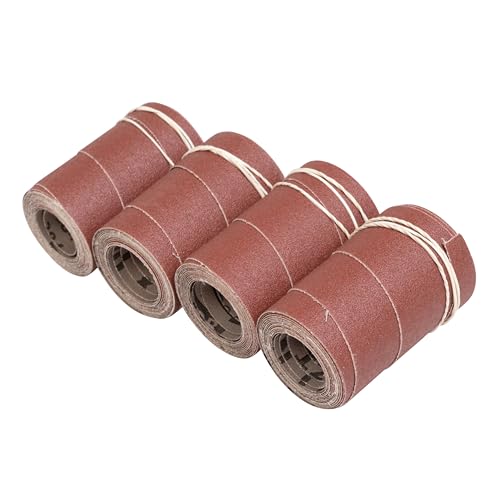
Next, inspect the surface for any signs of damage or wear. In case of scratches or dents, I lightly sand the affected areas using fine-grit sandpaper to smoothen the texture. Always follow the wood grain to avoid further damage.


For added protection, I apply a high-quality wood conditioner. This helps to nourish the material and enhances its natural color. A clean, lint-free cloth works best for an even application. Follow up with a wood finish that suits your preference, whether it be oil or a sealant, to prolong the lifespan of the piece.
Finally, establish a regular maintenance routine. I recommend dusting regularly and avoiding exposure to direct sunlight and humidity, as these factors can accelerate deterioration. With consistent care, my cherished wooden items remain stunning and functional for years to come.
Revive Your Sequoia Creations
Begin with a thorough cleaning using a mild soap solution combined with warm water. A soft cloth works best for wiping away dust and grime. Avoid abrasive materials that could scratch the wood’s surface.
Examine for any scratches or dents. Apply a specialized wood filler that matches the original shades. For larger imperfections, multiple applications may be necessary, allowing each to dry completely before sanding smooth.
Enhance with Oils
Choose a natural oil like tung or linseed oil to nourish the grain. Apply a thin layer using a clean, lint-free cloth, moving in the direction of the grain. Let it absorb for at least 20 minutes before wiping off excess. Reapply as needed to achieve the desired finish.
Polish and Protect
A beeswax finish can provide extra protection and luster. Rub a small amount into the surface using a soft cloth until you achieve a subtle shine. This will not only enhance appearance but also offer a protective barrier against moisture and light scratches.
Assessing the Condition of Your Redwood Furniture
Inspect the surface carefully for signs of wear, such as scratches, dents, or discoloration. Use a bright light to identify imperfections that may not be visible under normal lighting conditions. Pay special attention to areas that frequently experience contact, like armrests or table edges.
Check for Structural Integrity
Evaluate the joints and connections. Wiggle chairs or tables to ensure stability. Tighten any loose screws or bolts and look for signs of warping or splitting that may indicate deeper issues.
Evaluate Finish and Coatings
Observe the existing finish. If it appears dull or uneven, test it by applying a small amount of lemon oil. If it absorbs quickly without any shine, a new protective layer is likely needed. Stains or patches of peeling finish indicate that a more thorough treatment should follow.
Gathering Necessary Tools and Materials
To tackle the project, I ensure that I have the following items at hand:
- Sandpaper – I use various grits, typically 120, 220, and 320, for different stages of smoothing the surface.
- Wood conditioner – This is crucial for preparing the surface and ensuring an even finish.
- Stain or finish – I choose based on my desired aesthetic, whether it’s a clear coat or a darker stain to enhance the grain.
- Paintbrushes and rags – Having a selection allows for precise application and cleanup.
- Putty knife – Useful for filling any cracks or imperfections with wood filler.
- Wood filler – This helps mend any damage before I begin working on the surface.
- Protective gear – I always wear gloves, a mask, and goggles to safeguard against dust and fumes.
- Clean cloth – Essential for wiping down the surfaces before and after treatment.
These supplies streamline the entire process and contribute to achieving a polished look.
Additional Items
For larger pieces or intricate details, I might incorporate:
- Power sander – To minimize manual labor, especially on expansive surfaces.
- Electric drill – Useful for any necessary repairs or adjustments.
Gathering these tools and materials ahead of time saves me from interruptions and keeps the workflow smooth.
Cleaning Redwood Furniture: Best Practices
Use a soft cloth or sponge dampened with warm water and a mild soap solution. Wipe down the surface to remove dust and debris thoroughly.
For stubborn stains, mix equal parts of water and white vinegar. Apply this solution with a soft cloth and gently rub until the stain lifts.
To avoid damage, steer clear of abrasive cleaners and harsh chemicals that can harm the wood finish. Always test any cleaner on a small, inconspicuous area first.
After cleaning, rinse the surface with a clean, damp cloth to remove any soap or vinegar residue. Ensure the wood is completely dry to prevent moisture damage.
Consider applying a wood conditioner after cleaning; this helps to maintain the wood’s natural luster and protect it from future staining.
| Cleaning Method | Materials Needed | Notes |
|---|---|---|
| Warm Water and Mild Soap | Soft cloth or sponge | Regular dusting prevents build-up. |
| Vinegar Solution | Equal parts vinegar and water | Effective for tough stains. |
| Wood Conditioner | Wood conditioner product | Apply after cleaning for protection. |
Regular maintenance is key; clean every few months to keep the surfaces looking their best and elongate their lifespan. While cleaning, always prioritize the gentleness to preserve the wood’s integrity.
Sandpaper Selection for Redwood Surfaces
For achieving a smooth finish on softer woods like sequoia, I recommend starting with a medium grit sandpaper, specifically 120-grit. This helps remove any imperfections without damaging the surface. Once the initial sanding is complete, switch to a finer grit, such as 220-grit, to prepare the wood for staining or sealing.
The table below outlines recommended grits for different sanding stages:
| Stage | Sandpaper Grit | Purpose |
|---|---|---|
| Initial sanding | 120 | Remove old finish, smooth rough spots |
| Intermediate sanding | 180 | Refine surface, prepare for finer sanding |
| Final sanding | 220 | Smooth surface, prepare for finishing product |
Be sure to use quality sandpaper to prevent tearing and to reduce dust. Additionally, sanding in the direction of the grain preserves the natural look while minimizing scratches. For edges and corners, consider using sandpaper blocks or strips for better control.
Finally, always wear a mask to avoid inhaling dust particles while you work. This keeps the process safe and the environment clean.
Applying Wood Conditioner for Even Staining
Before applying the stain, I always prioritize preparing the wood properly with a quality wood conditioner. This step is essential for achieving a uniform finish. I ensure that the surface is clean and completely dry, as any residue can interfere with the absorption of the conditioner.
Selecting the Right Conditioner
Choosing a product designed for softwoods is key. These conditioners penetrate better than those intended for hardwoods. I usually look for oil-based conditioners, as they provide deeper penetration, enhancing the final look of the stain.
Application Technique
I apply the conditioner liberally using a clean, lint-free cloth or brush, working in the direction of the grain. It’s crucial to avoid over-saturating the area, which can lead to uneven staining. After applying, I wait for the recommended time on the product label–typically around 15 minutes–before wiping off any excess with a clean cloth. This ensures a smooth, even base for the stain.
Choosing the Right Stain for Redwood
Select a stain that enhances the natural beauty of the wood while providing adequate protection. I recommend using oil-based stains, as they penetrate deeply and offer a rich, durable finish. Water-based stains can also be effective for a quicker drying time and easier cleanup, but ensure compatibility with the existing finish.
- Consider the desired hue: Test different shades on a small area to see how they interact with the wood grain.
- Opacity level: Semi-transparent stains allow wood grain visibility, while solid stains conceal it. Choose based on the aesthetic you prefer.
- UV protection: Select a product with added UV inhibitors to defend against fading and weathering.
- Mildew resistance: If the item will be outdoors, look for stains with mildew-resistant properties to avoid deterioration.
Always check product labels for instructions on application and compatibility with your finish. It’s helpful to sample multiple options before making a final decision.
Sealing Furniture for Longevity
To enhance durability and protect surfaces, I apply a high-quality sealant specifically designed for wooden materials. This step is vital to safeguard against moisture, dirt, and UV damage.
Here’s a systematic approach:
- Choose the Right Sealant: Select a penetrating oil finish, polyurethane, or a marine-grade sealant for outdoor items. These options provide excellent protection and longevity.
- Prepare the Surface: Ensure the surface is clean and free of any contaminants. Recheck for sanded areas that might require an additional cleaning to remove dust particles.
- Application Tools: Utilize a high-quality brush or foam applicator. These tools help in achieving an even application, minimizing streaks or bubbles.
- Apply the Sealant: Begin with a thin layer, following the grain of the wood. Apply evenly and let it soak in for a few minutes before wiping off excess with a clean cloth.
- Drying Time: Allow adequate time for drying as per the manufacturer’s instructions. This usually ranges from a few hours to overnight, ensuring a complete seal.
- Additional Coats: Consider applying multiple coats for enhanced protection. Lightly sand between applications to promote adhesion.
- Final Finishing Touches: After the final coat has dried, inspect the surface for any missed spots or imperfections. This final inspection ensures long-lasting results.
Regular maintenance is equally important. I recommend periodic touch-ups to the sealant, especially for outdoor pieces exposed to the elements. This proactive approach ensures the beauty and integrity of your treasured items are preserved for years to come.
Reassembling and Touching Up Hardware
First, gather all the pieces of the original hardware, ensuring none are missing. If any screws or bolts are damaged, replace them with similar sizes for a proper fit.
Before reinstalling, clean the hardware thoroughly using a soft cloth and a mixture of warm water and mild soap. For stubborn spots, consider a gentle abrasive pad. Rinse and dry each piece completely to prevent rust or corrosion.
For a polished finish, use a metal polish specifically designed for your hardware’s material. Apply a small amount to a clean cloth and buff the surface until it shines. This step rejuvenates the look and protects against future tarnishing.
When reattaching, begin with the largest components. Ensure alignment is correct, as misplacement can cause issues later. Use a screwdriver to tighten screws, but avoid over-tightening to prevent stripping. For hinges, a little grease on the moving parts can enhance functionality.
If there are cosmetic flaws, such as scratches or nicks, use touch-up paint that matches the original finish. Apply it carefully with a fine brush, ensuring it blends seamlessly with the surrounding areas. Allow ample drying time before reassembling the hardware.
Final checks for alignment and stability are crucial. Ensure all pieces function smoothly and correctly before completing the project. This attention to detail will ensure longevity and an aesthetically pleasing finish to your revitalized piece.
Routine Maintenance Tips for Restored Redwood
Regular care is crucial for preserving the beauty and integrity of your upgraded wood pieces. Follow these specific guidelines to maintain their condition:
Cleaning and Dusting
- Use a soft, lint-free cloth for dusting to prevent scratching the surface.
- For deeper cleaning, mix mild soap with water; avoid harsh chemicals, which can damage finishes.
- Ensure to dry surfaces thoroughly to prevent moisture damage.
Periodic Check-ups
- Examine joints and hardware every few months to detect any loosening.
- Apply a wood preservative annually to protect against moisture and pests.
- Inspect the finish for signs of wear or fading and consider reapplication as needed.
Storing items away from direct sunlight preserves color and prevents drying out. Additionally, using coasters and mats can mitigate scratches and stains from spills or hot items. By integrating these routines into your care regimen, you ensure lasting beauty and functionality of your cherished pieces.


