
 Caleb Turner
Begin your project with a thorough cleaning using a mixture of mild soap and water. This allows you to eliminate dust and any accumulated grime. Gently scrub the surfaces with a soft cloth, ensuring you don’t scratch the wood. Make sure to dry the pieces immediately afterwards to prevent moisture damage.
Next, inspect the structure for any loose joints or damage. If you notice wobbly legs or corroded areas, applying wood glue can fortify these weaknesses. Hold the pieces in place using clamps until the glue fully sets, ensuring stability for years to come.
After addressing any structural issues, consider enhancing the natural luster. Use a high-quality wax or polish designed specifically for antique wood. Apply it in small amounts with a soft cloth, buffing gently in the direction of the grain. This method not only restores shine but also protects the surface from daily wear.
If the finish appears dull or scratched, a fine-grade sandpaper can smooth out imperfections. Ensure to sand carefully, always following the grain, and follow up with a new finish that complements the original hue. This careful approach will accentuate the wood’s natural beauty while preserving its history.
Restoration Techniques for Vintage Wooden Pieces
Begin with a thorough cleaning using a gentle soap solution and soft cloth. Avoid harsh chemicals that can damage the finish. After cleaning, inspect for any scratches or dents, addressing them with fine-grit sandpaper for a smooth surface.


Reviving the Finish
Apply a high-quality wood polish or a specialized rejuvenating oil. Use a soft cloth to work it into the grain, enhancing the natural luster. For a matte finish, use a wax-based product. This step not only beautifies but also protects the wood.
Addressing Structural Integrity
If you find loose joints, consider using a wood glue suitable for fine cabinetry. Clamp the pieces together until the adhesive fully cures. For any missing parts, custom-cut replacements from similar wood, ensuring a cohesive look.
Assessing the Condition of Mahogany Pieces
I prioritize a thorough examination to determine the state of the wooden items before taking any further steps. First, I inspect the surface for scratches, dents, or discoloration. A clean cloth helps to reveal imperfections not visible at first glance.
Next, I check for any signs of swelling or warping. This can occur due to moisture exposure, so I run my hand over edges and corners, looking for uneven surfaces. Pay attention to the joints; any cracks or separations indicate a need for repair.
Additionally, I examine the finish closely. I look for areas where the lacquer has worn away, exposing raw wood. If the finish appears dull, it might be time for rejuvenation. I also assess for any sticky residue, which could signal that old products have built up over time.
Lastly, I consider the structural integrity. I gently test stability by applying pressure to different parts of the piece. If it wobbles or feels unstable, reinforcement may be required. Documenting each finding helps create a clear plan of action for the next phases of my project.
Gathering Necessary Tools and Materials for Restoration
For this undertaking, I make sure to collect the following items: a soft cloth for dusting surfaces and applying wax, fine-grit sandpaper for smoothing any rough areas, and a sponge or brush for cleaning intricate details. A quality wood conditioner is key, as it helps in preparing the surface for finishing. I also keep a can of suitable finish or varnish on hand, typically oil-based for deeper penetration and a richer appearance.
Additional tools include a paint scraper to remove old finish without damaging the wood, a putty knife for filling scratches or dents, and clamps to hold pieces together if repairs are necessary. I also find a vacuum cleaner or a handheld brush useful for removing debris from joints and corners.
When it comes to safety, I ensure I have gloves to protect my hands and a dust mask for those dusty moments. Safety goggles provide an extra layer of protection against any flying debris while sanding or scraping.
Finally, a good set of wood finishing brushes is essential for applying finish evenly. If working with more elaborate pieces, having a fine artist’s brush allows me to address smaller details effectively. Preparing this toolkit not only streamlines my workflow but minimizes disruptions during the process.
Cleaning Techniques for Antique Wood Surfaces
Begin with a gentle dusting using a soft, lint-free cloth. This removes surface dust without scratching the finish. Alternatively, a microfiber cloth can be used for added effectiveness.
Simple Cleaning Solutions
For light staining, mix a few drops of mild dish soap with warm water. Dampen a cloth with the solution, ensuring it is not dripping, and gently wipe the surface. Rinse with a clean, damp cloth to remove any soap residue, then dry thoroughly.
Dealing with Stubborn Stains
If marks persist, create a paste of baking soda and water. Apply the paste directly on the stain and let it sit for a few minutes. Using a soft cloth, gently rub the area in a circular motion, then wipe away the paste with a damp cloth. Follow with a drying cloth to ensure no moisture remains, which could lead to warping.
For deeper cleaning, consider using a mixture of equal parts white vinegar and olive oil. Apply sparingly with a cloth, working in the direction of the grain to protect the surface’s integrity. This combination will help lift grime while moisturizing the wood.
Repairing Scratches and Dents in Mahogany Wood
To effectively mend scratches and dents, I begin by gathering essential supplies such as wood filler, fine-grit sandpaper, a putty knife, wood stain that matches the finish, and a clean cloth. Having these on hand streamlines the process significantly.
Addressing Scratches
For superficial scratches:
- Clean the area with a mild soap solution to remove any dirt.
- Apply a thin layer of wood filler using a putty knife, ensuring it fills the scratch completely.
- Allow the filler to dry according to the manufacturer’s instructions.
- Once dry, sand it lightly with fine-grit sandpaper until smooth, blending it into the surrounding wood.
- Finally, apply a matching wood stain to conceal the repair.
For deeper scratches:
- Clean the area to remove debris.
- If the scratch is wide, consider using a matching wood patch instead of filler for a more durable solution.
- After applying the patch, sand the area carefully to achieve a level surface.
- Stain as needed to create uniformity.
Fixing Dents
To correct minor dents:
- Apply moisture to the dent using a damp cloth.
- Cover the cloth with a piece of heavy material, then use an iron set to low heat to create steam that helps the wood swell back to its original shape.
- Once the dent is raised, let it cool before removing the cloth.
- Evaluate the area; if needed, sand lightly and restain.
For more significant dents, I usually employ epoxy resin, following similar sanding and staining procedures afterward for a seamless finish.
Regular maintenance, including polishing and avoiding harsh chemicals, minimizes future damage and keeps the wood looking pristine.
Stripping Old Finishes from Mahogany Furniture
Begin by selecting a chemical stripper specifically designed for furniture applications. Apply a thick layer to the surface, allowing it to sit for the time recommended by the manufacturer. Use a plastic scraper to gently lift the softened finish, working with the grain to avoid damaging the wood beneath.
If areas remain coated, reapply the stripper as necessary. For corners and intricate details, a toothbrush or a small paintbrush can aid in reaching tight spots. Always wear gloves and ensure proper ventilation while handling chemicals.
After successfully removing the finish, neutralize the stripper using water or a specific neutralizing agent according to the product instructions. Wipe down the entire surface with clean, damp cloths to remove any residue.
Follow up by sanding the surface lightly with fine-grit sandpaper (220-grit is ideal) to smooth any rough areas left from the stripping process. Ensure you sand in the direction of the fibers to maintain the integrity of the wood.
Finally, clean the pieces with a tack cloth to eliminate dust, preparing them for the next stages of rejuvenation. This approach preserves the beauty of the wood while removing undesired finishes effectively.
Applying New Stains and Finishes to Mahogany
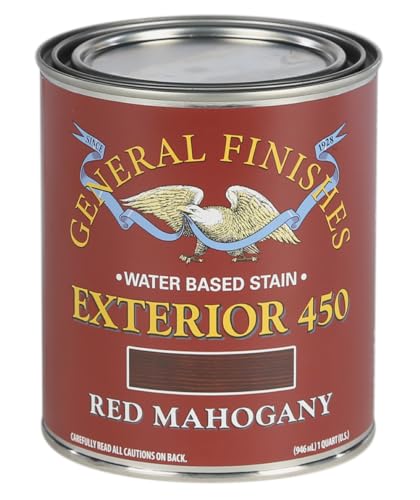
Select the desired stain color to enhance the wood’s natural beauty; I usually opt for shades that complement the warm tones characteristic of this timber. A stain can significantly change the appearance, so testing on a small, inconspicuous area is advisable. I start by applying the stain with a clean, lint-free cloth or a brush, following the wood grain to ensure even coverage.
After allowing the stain to penetrate for 5-15 minutes, I wipe off excess with a soft cloth to avoid blotching. For deeper color, I may apply multiple coats, allowing ample drying time between applications. Once satisfied with the color, I proceed to sealing the stain. A clear coat finish will protect the surface while adding a desired sheen.
| Finish Type | Drying Time | Application Method |
|---|---|---|
| Polyurethane | 4-6 hours for each coat | Brush or spray |
| Lacquer | 30 minutes to 1 hour | Spray recommended |
| Oil-based | 24 hours between coats | Cloth or brush |
| Water-based | 2-3 hours between coats | Brush or spray |
Applying a final coat or two of your chosen finish after the stain is fully cured provides the necessary durability. Light sanding with fine-grit sandpaper between coats ensures a smooth finish. After the last coat dries, my preferred practice is to allow the piece to cure for several days before heavy use to ensure the integrity of the finish.
Maintaining Restored Mahogany Pieces
Regular dusting is vital. I use a soft, lint-free cloth to capture dust and prevent it from settling into the wood grain. This minimizes wear over time and keeps surfaces looking fresh.
Humidity Control
Maintaining an optimal humidity level between 40-60% protects from warping or cracking. I find using a humidifier during dry months helps preserve integrity.
Cleaning and Polishing
- For deeper cleaning, I mix warm water with a few drops of mild dish soap. A damp cloth works wonders without soaking the material.
- To add luster, I apply a beeswax-based polish. Applying sparingly and buffing with a clean cloth enhances the finish.
- Avoid harsh detergents and abrasive materials; these can cause lasting damage.
Blooming is another aspect I pay attention to. If I notice a whitish haze on the surface due to moisture, I buff it out gently with a soft cloth until the shine returns.
Avoiding Sunlight Damage
Keeping these treasured items out of direct sunlight prevents fading and discoloration. I use window treatments or place items strategically to minimize exposure.
Annual check-ups yield great results. I inspect joints, surfaces, and finish integrity to address any issues early on. This approach keeps everything looking exquisite and extends its lifespan significantly.


