Caleb Turner

Begin with a thorough cleaning using a mixture of mild soap and warm water. Gently scrub with a soft brush to remove dirt and grime, paying close attention to crevices where debris may accumulate.
After the washing process, rinse off the soap with clean water and allow the pieces to dry completely. This step is crucial to prepare for any further treatments.
Next, inspect for any rust spots. Use fine-grade sandpaper to gently sand away oxidation, taking care not to damage the surrounding areas. If necessary, apply a rust-inhibiting primer to these spots to prevent future corrosion.
Once prepared, choose a suitable exterior paint designed for metal surfaces. A spray paint application can provide a smooth, even finish. Alternatively, a brush can be used for better control in intricate areas. Apply thin, even coats, allowing adequate drying time between layers.


Finally, seal the finish using a clear sealant to enhance durability against weather elements. This simple, step-by-step process will breathe new life into your outdoor metal seating, ensuring it remains a charming feature in your garden or balcony.
Restoration Techniques for Weathered Metal Outdoor Items
First, I clean the surface using a mix of water and mild soap, scrubbing with a soft brush to remove any dirt and grime. Rinsing thoroughly is crucial to prepare for the next step.
After drying, I tackle any rust spots with fine-grit sandpaper or a wire brush. This step is important to ensure a smooth surface for painting later.
Next, I use a rust-inhibiting primer tailored for metal surfaces. Applying this primer ensures protection against future corrosion. I usually apply two coats, allowing sufficient drying time between applications.
Once primed, I select a high-quality exterior paint suitable for metal. Using a spray can or brush, I apply thin layers to avoid drips, focusing on even coverage across the surface. Two to three coats typically yield the best results.
Finally, I finish with a clear sealant to add an extra layer of protection against the elements. This step enhances durability and helps maintain the aesthetic appeal over time.
Assessing the Condition of Your Furniture
I begin the evaluation by examining the surface for any signs of damage or wear. Look closely for chips, scratches, or peeling paint that may indicate exposure to the elements.
Visual Inspection
A thorough visual check is essential. Here’s what I focus on:
- Check for rust spots–these can worsen if not addressed promptly.
- Look for staining or discoloration that may impact the overall appearance.
- Inspect joint areas for looseness or separation, which can affect structural integrity.
Tactile Examination
Touch the surfaces to determine texture. I assess the following:
- Rough patches may indicate corrosion.
- Areas that feel sticky or tacky often require deeper cleaning.
- Ensure that no sharp edges are present, which can be hazardous.
Documenting these findings will guide subsequent steps effectively. Knowing the specific areas that need intervention allows for targeted maintenance.
Choosing the Right Cleaning Supplies
For reviving the appearance of outdoor metal seats and tables, selecting appropriate cleaning materials is crucial. I recommend starting with a mild dish soap mixed with warm water. This combination effectively removes surface grime without causing damage.
Recommended Supplies
- Soft bristle brush: Ideal for scrubbing without scratching the surface.
- Microfiber cloths: Perfect for wiping down after cleaning.
- Bucket: Use for mixing cleaning solutions.
- Baking soda: Helps tackle stubborn stains and oxidation.
- Rust-inhibiting primer and paint: Necessary for long-lasting protection post-cleaning.
Cleaning Agents to Avoid
- Harsh solvents: Such as bleach or ammonia, which can strip paint and worsen oxidation.
- Steel wool: This can cause scratches and further damage the surface.
- Acidic cleaners: They can lead to corrosion and weaken the metal over time.
Having the right supplies on hand makes the cleaning process more efficient and ensures a better outcome. Always test any new cleaner on a small, inconspicuous area first to observe any reactions before applying it broadly.
Removing Rust and Old Paint
To eliminate rust and peeling paint, I typically start with a wire brush or a wire wheel on a power sander. This helps dislodge loose material quickly. For stubborn spots, I apply a rust remover and let it sit according to the manufacturer’s instructions, which usually ranges from 10 to 30 minutes.
Manual Techniques
If power tools are not an option, I use sandpaper (grit 80 to 120) to manually abrade the surface. I ensure to wear gloves and a mask for safety. Rubbing alcohol or vinegar can work well for smaller areas to dissolve rust. After a thorough scrubbing, I clean the surface with a damp cloth to remove any dust and debris.
Chemical Solutions
For heavy rust buildup, a rust converter product can arrest corrosion and prime the surface simultaneously. I follow it up with a coat of high-quality paint suitable for outdoor use. Regular inspections after treatment can prolong its lifespan and maintain its appearance.
Applying Primer for Optimal Adhesion
Choosing a high-quality primer is critical for ensuring a secure bond between the metal surface and the final paint layer. I recommend an oil-based or rust-inhibiting primer, which offers excellent adhesion and durability. Prior to application, ensure that the surface is clean, dry, and free from debris.
Application Steps
1. Select the right tools: Utilize a high-density foam roller or a brush with synthetic bristles for even coverage. Avoid using a spray can for primer, as it can lead to uneven application.
2. Thin layer: Apply a thin, even coat of primer, covering all areas thoroughly. Avoid heavy layering to prevent runs and drips.
3. Curing time: Follow the manufacturer’s instructions for drying time before applying any additional layers. This typically ranges from 1 to 4 hours, depending on humidity and temperature.
Primer Options
| Type of Primer | Best Uses | Specifications |
|---|---|---|
| Oil-based Primer | Exterior metal, high moisture areas | Excellent adhesion, rust-inhibiting |
| Acrylic Primer | Indoor and outdoor use, multiple substrates | Fast drying, flexible finish |
| Rust-inhibiting Primer | Corroded surfaces | Stops rust, extends lifespan |
By following these guidelines and using appropriate materials, the adhesion will enhance the longevity and appearance of your project. Priming correctly sets the foundation for a successful finish.
Selecting Suitable Paint for Metal Fixtures
Choose a paint specifically formulated for metal surfaces. It’s crucial to select a product that offers rust resistance and can withstand outdoor conditions. Look for options labeled as “metal paint” or “exterior metal paint.” These are designed for durability and adhesion to metallic substrates.
Opt for either oil-based or acrylic latex formulations. Oil-based paints tend to provide a smoother finish and increased durability against moisture, making them suitable for outdoor use. Acrylic latex paints are easier to clean up and have a faster drying time, which may appeal to some.
Regardless of the type, ensure that the paint is compatible with the primer used during preparation. Check the manufacturer’s instructions for compatibility details. This will enhance adhesion and longevity, preventing premature peeling or chipping.
Consider the finish as well. A satin or semi-gloss finish can provide a pleasing aesthetic while adding an extra layer of protection against environmental factors. Glossy finishes are easier to clean but may show imperfections more readily.
Finally, opt for a paint that is UV resistant. This will help maintain the color and finish over time, reducing the likelihood of fading from sun exposure. Always test a small area before full application to ensure the color and finish meet your expectations.
Techniques for Evenly Applying New Paint
I begin by selecting a high-quality paint suitable for metal surfaces; this ensures durability and a smooth finish. Using a spray applicator offers better coverage and results in fewer brush marks. I maintain a consistent distance from the surface–about 12 to 18 inches–to achieve an even layer.
When spraying, I apply multiple thin coats instead of one thick layer. This method minimizes drips and promotes better adhesion. I allow each coat to dry completely before proceeding to the next. Between applications, I lightly sand the surface with fine-grit sandpaper; this creates a better bond for subsequent layers.
I also find that using a high-density foam roller is effective for larger areas, providing a smooth and even application. I roll the paint on and use a brush to touch up corners and intricate details. Keeping the roller damp but not soaked helps prevent bubbles.
For meticulous results, I ensure to work in environments with optimal temperature and humidity. This prevents issues like paint sagging or slow drying. Using painter’s tape around edges and adjoining surfaces helps achieve sharp lines and prevents overspray.
Finally, I allow the painted pieces to cure fully before exposing them to outdoor elements; this process solidifies the protective layer, enhancing the longevity of the finish.
Maintaining Your Restored Furniture for Longevity
After completing the revival process, the next crucial step is to implement regular upkeep. I recommend wiping surfaces with a damp cloth weekly to prevent dust accumulation. For deeper cleaning, a mild soap solution can be utilized, ensuring all soap residues are removed thoroughly.
Seasonal Inspections
At the beginning and end of each season, I perform a detailed inspection. I check for scratches, chips, or any signs of wear. Addressing minor issues promptly reduces the risk of extensive damage. Any exposed metal areas should be touched up with matching paint to maintain protective barriers.
Protective Measures
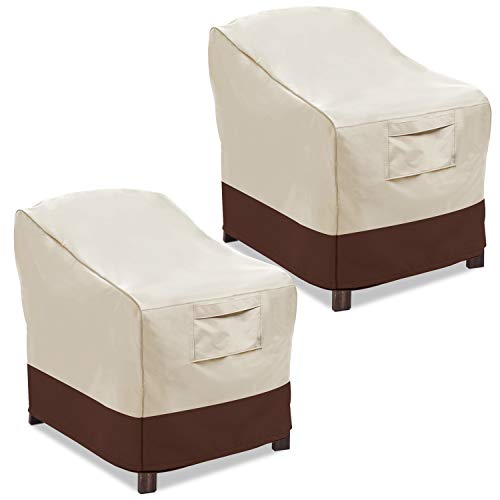
To enhance resistance against the elements, I apply a clear sealant every few years. This adds an extra layer of protection against moisture and UV rays. During bad weather, I use furniture covers or store pieces indoors, extending their lifespan significantly. Regularly removing debris, such as leaves or dirt, also helps avoid stains and degradation.
Implementing these practices ensures that my revitalized outdoor seating remains appealing and functional for years to come.
FAQ:
What are the first steps in restoring faded wrought iron patio furniture?
The first step in restoring faded wrought iron furniture is to clean it thoroughly. Use a mixture of warm water and mild soap to remove dirt and grime. A wire brush can help tackle any rust spots. After cleaning, rinse the furniture with clean water and let it dry completely before proceeding to the next steps.
How can I remove rust from my wrought iron patio furniture?
To remove rust from wrought iron patio furniture, you can use a wire brush or sandpaper to scrub the rusted areas. For more stubborn rust, an acid solution like vinegar or a commercial rust remover may be effective. Always follow the manufacturer’s instructions for any chemical products. After rust removal, ensure to clean the area again to eliminate any residues, then dry the furniture thoroughly to prevent further rusting.
What type of paint should I use to refinish wrought iron patio furniture?
When refinishing wrought iron patio furniture, it’s best to use an oil-based paint or a spray paint specifically designed for metal surfaces. These types of paint offer durability and weather resistance, which is ideal for outdoor furniture. Before applying the paint, be sure to use a primer to help the paint adhere better and to provide extra protection against rust.
Do I need to apply a protective coating after painting my wrought iron furniture?
Yes, applying a protective clear coat is advisable after painting wrought iron furniture. A clear sealer can provide an additional layer of protection from the elements, preventing fading and rust over time. Make sure that the paint has dried completely before applying the sealer for the best adhesion and protection.
How often should I maintain my wrought iron patio furniture to keep it looking its best?
Regular maintenance is key to keeping wrought iron patio furniture in good condition. Aim to clean the furniture every few months, depending on exposure to the elements. Inspect for rust or wear at least twice a year and address any issues promptly. A fresh coat of paint every few years can also help maintain its appearance and protect it from damage.
What products are recommended for restoring faded wrought iron patio furniture?
To restore faded wrought iron patio furniture, it’s recommended to use a few specific products. First, a good quality metal cleaner, such as a rust remover or a specialized wrought iron cleaner, can help eliminate dirt and rust. After cleaning, you may want to apply a metal primer, especially if there’s any rust present. Finally, choose a high-quality outdoor paint or a dedicated wrought iron paint to provide a protective layer and restore color. Brands like Rust-Oleum and Krylon offer suitable options designed for outdoor use that will withstand the elements.