
 Caleb Turner

Mix a solution of equal parts water and white vinegar in a spray bottle. Lightly mist the surface of the item and wipe it down with a soft cloth. This method gently cleans and helps to restore some of the original luster without causing damage.
For deeper treatment, consider using a specially formulated oil designed for dark woods. Apply it with a clean, lint-free cloth, working in the direction of the grain. This nourishes the wood and enhances its rich tones.
If the finish appears scratched or dull, fine-grit sandpaper can be an option. Lightly sand the affected areas, then wipe off the dust and reapply the wood oil. This can help even out the surface and bring back its natural beauty.
Finally, always keep your pieces away from direct sunlight and extreme temperatures. Regular dusting with a soft, dry cloth will prevent buildup and maintain their charm over time.

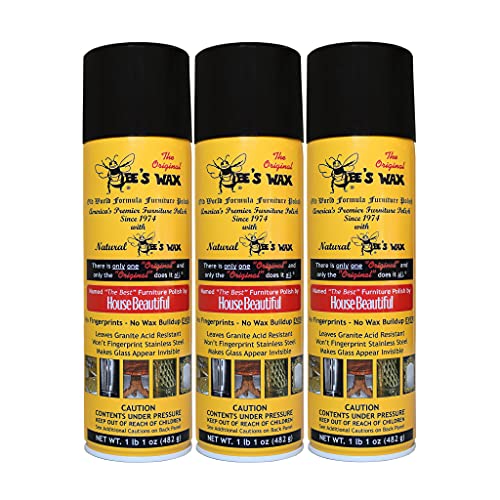

Restoration Techniques for Discolored Wood Pieces
I recommend starting with a gentle cleaning solution made of equal parts vinegar and water to remove dirt and grime. Apply it using a soft cloth, ensuring you don’t saturate the wood. This preps the surface for further treatment.
Enhancing the Natural Luster
After cleaning, consider using a quality furniture oil or beeswax polish to nourish the surface. Applying in the direction of the grain allows the product to seep into the wood fibers, enhancing its visual appeal while providing a protective layer.
Addressing Deeper Discoloration
If there are stubborn stains or deeper discoloration, a mild abrasive paste made from baking soda and water can be effective. Gently rub this on problem areas with a soft cloth, rinsing with a damp cloth afterward. Follow up with the oil or wax treatment for optimal results.
Always test any product on a small, inconspicuous area first to ensure compatibility and to avoid unforeseen damage.
Assessing the Condition of Your Timeless Wood Piece
I begin my evaluation by examining the exterior for surface damage. Look closely for scratches, dents, or discoloration. Use a bright light to highlight imperfections, as shadows can mask issues. If the surface appears uneven, it may need careful sanding to smooth out any raised spots.
Identifying the Finish
I determine the type of finish applied to the wood. A simple test involves applying a few drops of water. If it beads up, a protective seal is in place. If it soaks in, the finish may have worn away, indicating a need for replenishment. Knowing the finish type is crucial as it affects cleaning and maintenance methods.
Checking for Structural Integrity
I assess joints and connections for stability. Gently wiggle legs and arms; listen for any creaking sounds. If any parts are loose, these should be tightened promptly, using wood glue or screws as needed. A sturdy piece not only looks better but also lasts longer.
Choosing the Right Cleaning Products for Mahogany
The proper selection of cleaning agents is critical. I recommend using pH-balanced solutions that are specifically made for wooden surfaces. These products minimize the risk of damage while effectively removing dirt and grime.
Avoid harsh chemicals, such as ammonia or bleach, as they can strip away the natural oils and finish. Instead, look for natural oils or waxes designed for wood care, such as beeswax or carnauba wax. These not only clean but also nourish the grain.
Here’s a table of suitable cleaning products and their benefits:
| Product Type | Benefits |
|---|---|
| pH-Balanced Cleaner | Gentle on surface; effective at removing dust and light stains. |
| Natural Oil | Hydrates wood; enhances shine; protects against drying. |
| Furniture Polish | Provides a protective layer; adds a subtle shine; repels dust. |
| Beeswax | Natural finish; restores luster; long-lasting protection. |
I recommend testing any cleaning product on a small, inconspicuous area first to ensure compatibility with the surface. Regular maintenance using the right products will significantly prolong the life and aesthetic of your cherished wood pieces.
Steps for Thoroughly Cleaning Faded Mahogany
Begin with a light dusting using a soft microfiber cloth to remove surface dust and dirt. This prepares the wood for deeper cleaning.
For stubborn stains, mix a solution of warm water and mild dish soap. Dampen a clean cloth with this mixture–make sure it is not dripping–and gently clean the stained areas in a circular motion.
Follow up by rinsing the cloth in plain water, wringing it out thoroughly, and wiping the same areas to remove any soap residue. It’s vital to avoid saturating the wood.
Dry the surface immediately with a separate dry microfiber cloth to prevent water damage.
If the surface appears dulled or has a minor film, prepare a mixture of equal parts vinegar and olive oil. Apply a small amount to a clean cloth and buff the wood in the direction of the grain. This not only cleans but also conditions the wood, bringing back some of its natural luster.
For heavy discoloration, consider using a product specifically designed for wood cleaning. Always read and follow the manufacturer’s instructions, testing on an inconspicuous area first.
Finally, after cleaning and conditioning, the application of a high-quality wax can protect the surface and enhance its shine. Apply a thin layer with a soft cloth, allowing it to dry before buffing it to achieve a smooth finish.
Applying Oil or Wax for Restoration
Using oil or wax enhances the luster and protects the surface of your piece. I prefer natural oils like linseed or tung oil for their nourishing properties. When applying, I ensure the surface is clean and dry, then use a soft cloth to gently rub the oil in, working with the grain. This method prevents streaks and enhances depth.
After the oil absorbs for several hours, I buff it with a clean cloth to remove any excess. This brings out a warm glow, rejuvenating the wood. For ongoing maintenance, I reapply every few months or as needed based on the piece’s exposure to light and humidity.
As an alternative, I sometimes opt for beeswax or a blend of natural waxes. This creates a protective barrier and adds a subtle sheen. I apply it in a similar fashion, using a soft cloth to ensure even coverage. Waxed surfaces require periodic maintenance, often needing a reapplication every six months to keep the finish fresh and effective.
Experimenting with different products allows me to find what works best for each unique surface, ensuring a lasting finish while highlighting the beauty of the wood.
Refinishing Techniques for Your Antique Pieces
Begin by gathering supplies such as sandpaper (various grits), stain, sealer, and paintbrushes. Ensure all items are suitable for use with your specific material.
Sanding the Surface
Removing the old finish is crucial. Use coarse sandpaper (80-120 grit) for initial passes, followed by medium (150-180 grit) and fine (220 grit) for a smooth texture. Always sand along the grain to avoid scratches.
- Check for imperfections and repair as needed.
- Prepare a clean workspace to avoid dust contamination.
Applying Stain and Sealer
Select a high-quality stain that complements the original hue. Apply evenly with a brush or cloth, allowing it to penetrate for several minutes before wiping off excess.
- Allow adequate drying time between coats.
- Once dry, use a sealer to protect the surface and enhance durability.
Consider finishing with a topcoat to provide additional protection against wear and moisture. Follow manufacturer’s guidelines for drying and curing times to achieve optimal results.
Maintaining Restored Wood to Prevent Future Fading
I recommend placing your revitalized piece away from direct sunlight. Continuous exposure can lead to discoloration and a dull appearance over time. Consider using sheer curtains or blinds to diffuse natural light.
Humidity control is crucial as well. I suggest keeping indoor humidity levels between 40% and 60%. Using a hygrometer can help monitor moisture levels, while a dehumidifier or humidifier can maintain stability.
Regular dusting is important, too. Use a soft, lint-free cloth to gently wipe the surface weekly. This will help remove dust and prevent buildup, which can cause scratches and dullness.
Choosing the Right Products
Select a gentle, pH-balanced cleaner for deeper cleaning sessions, avoiding harsh chemicals. I find that specialized wood care products deliver the best results without damaging the surface. Always test a small, inconspicuous area first to ensure compatibility.
Annual Maintenance Schedule
An annual application of mineral oil or finishing wax significantly enhances the protective layer. I apply it with a soft cloth, working in small sections and buffing to a shine. This practice not only enriches color but also adds a barrier against spills and stains.
Keeping your wood in optimal condition requires mindfulness in placement, environmental control, and regular care. Following these strategies ensures longevity and beauty for years to come.
FAQ:
What causes mahogany furniture to fade over time?
Mahogany furniture can lose its rich color due to various factors such as exposure to sunlight, which causes the wood’s natural pigments to break down. Additionally, environmental conditions like humidity and temperature fluctuations can affect the finish. Dust accumulation and improper cleaning methods may also contribute to the fading process, leading to a dull appearance.
How can I tell if my mahogany furniture is only faded and not damaged?
To determine if the fading is just a superficial issue, inspect the surface closely for scratches, dents, or cracks. If the wood feels smooth and does not have noticeable damage, it is likely just faded. You can also check for color consistency in less exposed areas, such as the underside of a table or inside a drawer, which should still reflect the original hue.
What are some effective methods to restore the color of faded mahogany furniture?
To restore faded mahogany furniture, you can use a combination of methods. First, clean the surface with a mild soap and water solution to remove dirt and grime. After cleaning, apply a wood conditioner or a dedicated mahogany stain to rejuvenate the color. Finally, consider using wax or a furniture polish afterward to protect the finish and enhance shine. Always test any product on a hidden area before applying it to the entire surface.
Is it safe to use commercial products for refinishing mahogany furniture, or should I stick to natural remedies?
Using commercial products designed specifically for wood restoration can be safe and effective, as long as you follow the manufacturer’s instructions. Many of these products contain ingredients that are safe for wood and can provide a quicker and more consistent result. However, if you prefer natural options, products like olive oil mixed with vinegar or beeswax can also work well for maintenance. Just ensure any product you use is compatible with the existing finish.
How often should I perform maintenance on my mahogany furniture to prevent fading?
The frequency of maintenance depends on the furniture’s exposure to light and environmental conditions. As a general guideline, regular dusting with a soft cloth should be done weekly to prevent grime buildup. Deep cleaning and conditioning should be performed every six months, while reapplying stain or finish can be done annually or as needed based on the furniture’s condition. Keeping furniture away from direct sunlight and maintaining stable humidity levels also helps prolong its appearance.
What are the best methods to restore faded mahogany furniture?
Restoring faded mahogany furniture can greatly enhance its appearance and longevity. One effective method is to clean the furniture with a gentle soap solution, using a soft cloth to remove dirt and grime. After cleaning, you can apply a wood conditioner or a specialized mahogany oil to nourish the wood and help restore its natural color. It’s important to test any product on a small, inconspicuous area first to ensure it does not cause any adverse effects. Additionally, using fine steel wool to buff the surface can help bring back some of its luster. Finally, applying a coat of wax or a suitable furniture polish can offer added protection and shine, keeping the furniture looking its best.


