
 Caleb Turner

Pour hot water into a clean spray bottle. Mist the affected area without saturating it. The warmth reactivates the fibers, allowing them to regain their original shape. After applying, gently rub the fibers with a soft brush or cloth in the direction of their natural growth.
For deeper indentations, consider the ice cube method. Place several ice cubes on the imprints and let them melt. As the water seeps in, the fibers will absorb moisture and expand. Once the ice has fully melted, use a towel to blot excess water, then fluff the area with your fingers or a brush.

In cases where the texture remains altered, steam can be beneficial. Hold a handheld steamer a few inches above the surface and allow the steam to penetrate the fibers. Follow this by gently brushing the area to aid in recovery. This technique revitalizes the look without causing damage.
Revitalizing Indentations from Heavy Objects
Utilize a steam iron or a damp cloth to apply heat and moisture directly over the depressed areas. Ensure the cloth is placed on the affected spot, and gently press the iron on low heat for a few seconds. This method helps lift the fibers back into their original position.
For stubborn marks, consider using a comb or a stiff brush. After applying heat, take the comb and gently fluff the fibers, working in all directions. This can restore the pile’s texture and appearance effectively.
An alternative approach involves using ice cubes. Place ice on the affected spots and allow them to melt slowly. The moisture will penetrate the fibers, and once dried, brushing will aid in reviving the texture. It’s a simple yet efficient technique for light indentations.
Finally, rearranging heavy objects periodically can prevent future lasting impressions. Moving furniture every few months helps ensure even wear and maintains the aesthetic quality of the surface space.
Assessing the Extent of Carpet Flattening
To effectively address the issue, I first examine the specific areas affected. Identifying the severity helps determine the appropriate approach for revitalizing the fibers. I take note of several key factors during this assessment:
- Duration of Weight: Consider how long the item sat in place. Longer durations typically lead to more significant compression.
- Type of Material: Different textiles react uniquely under pressure. Natural fibers may recover more easily than synthetic ones.
- Thickness of Pile: A thicker pile can indicate how much flattening has occurred. I observe whether the fibers spring back when disturbed.
- Condition of Padding: The underlay can also affect appearance. I check for wear or damage which might need attention before handling the visible surface.
Next, I visually inspect the pattern and texture against the surrounding areas. If a noticeable difference exists, measuring the affected zones can provide insights into the overall impact. I use a ruler to gauge the dimensions of flattened sections, marking them for reference.
In cases of extensive compression, a closer look at the grain direction can reveal mismatches that require additional steps to restore uniformity. Developing a clear understanding of these factors enables me to proceed with tailored strategies for improvement.
Choosing the Right Tools for Carpet Restoration
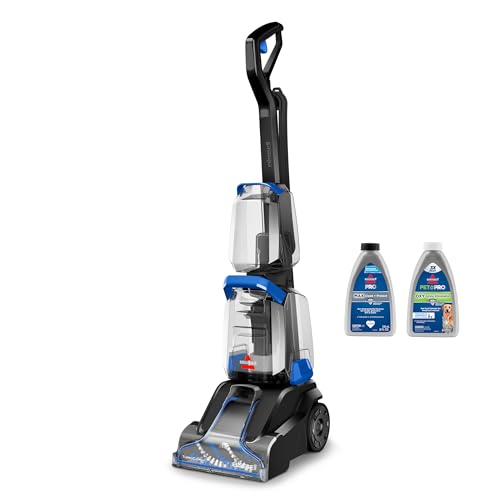
Investing in high-quality equipment is critical. A steam cleaner is invaluable for loosening fibers and reviving their natural shape, while a good vacuum with a rotating brush can help lift the material. A carpet rake is also beneficial for fluffing up the fibers post-cleaning.
Specific Tools to Consider
A steam cleaner with adjustable settings allows for tackling different types of pile without causing damage. Opt for a model with a carpet attachment. Additionally, a dual-purpose carpet rake can separate fibers, reducing matting and enhancing the appearance. For stubborn indentations, a hairdryer on low heat can provide localized warmth to loosen fibers, making them easier to fluff.
Additional Accessories
Microfiber cloths can assist in absorbing moisture after treatment, preventing water marks. A spray bottle filled with a mixture of water and fabric softener can aid in refreshing the fiber texture. Always have extra pads for your steam cleaner ready for quick replacements during the process.
Applying Heat Techniques for Carpet Lifting
I recommend using a steam iron for this task. Set the iron to a low heat setting to prevent damage. Place a damp cloth over the affected area before gently steaming it. The moisture combined with heat will help the fibers regain their original shape.
If you don’t have a steam iron, consider a hairdryer. Use it on a low heat setting while keeping it at least six inches away. Move it back and forth to distribute heat evenly across the fibers. This method works well for smaller sections.
Another approach involves boiling water. Pouring a small amount around the dent can revive the nap. After pouring, use a brush to fluff the area and then place a heavy object on top to maintain the lift as it cools.
Always perform a spot test in an inconspicuous area before applying any heat method. Certain materials may react differently, and it’s wise to ensure no discoloration occurs.
After using heat, it’s beneficial to let the area cool down before walking on it. This allows the fibers time to set in their lifted position.
Utilizing Moisture for Revitalizing Carpet Fibers
Applying a light mist of water can significantly enhance the appearance of compressed fibers. It’s crucial to avoid soaking the material; a spray bottle works best for this purpose.
Follow these steps for optimal results:
- Fill a spray bottle with clean water.
- Lightly mist the affected areas, ensuring even coverage.
- Allow the moisture to penetrate for about 10-15 minutes, which helps the fibers regain their shape.
After moisture application, gently brush the treated spots using a soft-bristled brush. This step aids in lifting the fibers and restoring their original texture.
In addition, using steam can also be beneficial. A handheld steamer can release steam over the compressed areas, providing sufficient heat and moisture to reactivate the fibers.
- Hold the steamer a few inches above the surface to avoid direct water accumulation.
- Move in a sweeping motion for even distribution.
Once the steaming is complete, let the area dry naturally. You can enhance the drying process by placing a fan nearby.
For persistent indentations, consider repeating the moisture and steaming process until the desired outcome is achieved. Consistency is key for optimal revitalization of the fibers.
Using Stiff Brush Methods for Carpet Grooming
For optimal results in rejuvenating compressed fibers, I recommend utilizing a stiff-bristled brush. This method is particularly useful when addressing stubborn areas where indentation is pronounced.
Steps for Effective Grooming
Begin by selecting a brush designed for carpets, preferably one with nylon bristles that are firm yet flexible. A hand-held brush works best for focused attention on specific spots.
Proceed with the following steps:
- Ensure the surface is clean by vacuuming to remove debris.
- Work the brush against the direction of the pile to lift the fibers gently. Apply moderate pressure, allowing the bristles to penetrate the matting.
- Use a back-and-forth motion to encourage the fibers to stand upright. This technique helps to break up any compacted areas.
- After lifting, brush in the direction of the pile to align the fibers for a consistent appearance.
Maintenance Tips
Regular grooming helps maintain the look and feel of your floor covering. Schedule this task every few months to prevent further compression. For best results, follow this brushing technique after cleaning sessions, as the fibers will be more pliable.
| Step | Action |
|---|---|
| 1 | Vacuum the area |
| 2 | Brush against the pile |
| 3 | Use back-and-forth motions |
| 4 | Brush with the pile |
Preventing Future Flattening of Carpet Areas
To avoid issues with matted fibers, consider rearranging your arrangement regularly. Changing the location of heavy objects alters the pressure on the surface, allowing the fibers to bounce back over time.
Utilize furniture coasters under legs and bases to distribute weight more evenly. This reduces the potential for indentation and maintains the integrity of the pile.
When selecting rugs or mats, opt for those with a thicker pile or dense weave. They provide an extra layer of protection against compression from substantial items.
Implement a rotating cleaning schedule that includes vacuuming with a suitable attachment for high-pile surfaces. Regular maintenance stimulates fibers and helps keep the texture looking fresh.
Incorporating a quality carpet pad underneath your flooring can enhance durability and cushioning, cushioning against the effects of heavy furniture.
Consider adding lightweight, movable decor that breaks up visual weight in a room. This can help reduce pressure on specific areas and enhance the overall feel of the space.
Avoid placing objects that generate heat directly on the surface. Heat can weaken fibers, making them more susceptible to wear and tear.


