
 Caleb Turner

Mix equal parts of vinegar and olive oil to create an all-natural solution. Apply it gently with a soft cloth, working with the grain to restore the sheen of your beloved piece.
If the damage is deeper, use a blend of beeswax and linseed oil. Heat it slightly before application, then rub it into the affected area. This method not only conceals imperfections but also nourishes the wood.
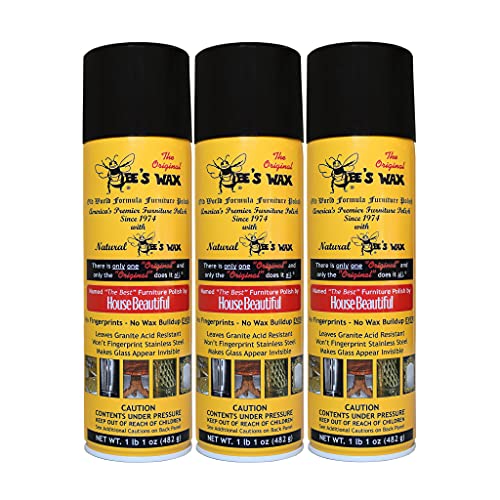


For small indentations, I recommend placing a damp cloth over the mark and using a warm iron for a few seconds. The steam will help raise the wood, minimizing the evidence of wear.
A final touch of a quality furniture polish can enhance the overall look, maintaining the luster and prolonging the life of the wood. Regular maintenance with a soft, dry cloth will help keep your piece looking its best.
Methods for Fixing Marks on Wooden Surfaces
Start with a soft cloth to clean the area around the blemish. Use a mixture of olive oil and vinegar in equal parts; apply a small amount on a new cloth and rub gently in circular motions. This method not only helps to blend the area but also nourishes the wood.
Alternative Options
- Use a walnut. Simply rub the meat of the nut over the affected area. The natural oils will help fill in the imperfection.
- Consider crayon or wood marker in a matching color for deeper imperfections. Color the area carefully and then wipe away excess with a soft cloth.
- Apply beeswax polish. This creates a protective layer while also camouflaging minor inconsistencies.
Patching More Severe Damage
If the mark is deep, consider using wood filler. Choose a shade that closely matches the surface. After application, smooth it out with a putty knife and allow it to dry completely. Once dry, sand gently and apply a matching finish to blend with the surrounding area.
Assessing the Severity of the Scratch
Begin by examining the affected area closely. Light marks that only disrupt the finish of the surface can often be treated with simple solutions, such as wood oils or blends. If the blemish is shallow and does not penetrate deeply, a gentle buffing may suffice.
For deeper indentations, where the wood texture is noticeably affected, it may require more intensive methods. I find that running a finger over the spot helps identify how far down the damage goes. If you can feel a significant dip, it suggests a more profound issue that might need sanding or filling.
Check also for discoloration or splintering around the edges. If the area appears darker, it might indicate moisture exposure, suggesting a need for a different approach that involves sealing. Assessing these details informs me of the best course of action moving forward.
Note the location of the mark. If it’s on a high-traffic surface, durability is key, so I may choose a more robust restoration method. Conversely, for decorative pieces, aesthetics might take precedence, allowing for lighter treatment options.
Remember to consider the finish type on the wood as well. Some treatments are incompatible with certain finishes, so identifying whether it’s lacquer, shellac, or oil-based helps narrow down the appropriate solutions. Making these assessments early guides me towards a successful restoration process.
Choosing the Right Repair Method for Minor Scratches
For minor imperfections, my preferred solution is to use a wood marker or touch-up crayon. These products are specifically designed to blend seamlessly with the surface, offering a quick fix. I select a shade that closely matches the existing finish. Applying the marker gently over the affected area fills in the gap and evens out the appearance. Once dry, I lightly buff the area with a soft cloth to enhance the sheen.
Alternative Solutions
Another technique involves utilizing a mixture of vinegar and olive oil. By combining equal parts of both, I create a natural solution that can improve the look of a damaged area. I apply this blend directly onto the mark, allowing it to soak for a few minutes before wiping excess with a clean cloth. This method often enhances the wood’s natural luster.
Sealing the Finish
If the mark persists, I consider using a furniture wax as a protective measure. I apply a small amount with a soft cloth, working it into the wood. This not only covers any remaining imperfections but also enhances durability against future wear.
Using Wood Fillers for Deeper Scratches
For deeper indentations, wood fillers can provide a seamless solution. Begin by selecting a filler that matches the grain and color of your item. I prefer using a high-quality latex or epoxy-based filler for its durability and ease of use.
Application Process
First, clean the area surrounding the mark to remove dust and debris. Next, using a putty knife, apply the filler directly into the groove, ensuring it fills completely. Smooth the surface to blend with the surrounding wood. Once dried, sand down the area gently until it is flush with the surface. Always sand in the direction of the grain to maintain an even finish.
Finishing Touches
After sanding, assess the texture. If it feels rough, apply a second layer of filler, repeating the previous steps. Once I achieve a smooth surface, I finish with touch-up paint or stain to match the original shade. Sealing the area with a clear coat enhances protection and adds a polished look.
Regular maintenance can help prevent further damage, so I recommend a periodic check of the surface, ensuring it remains in excellent condition.
Applying Stain to Match Wood Finish
Choose a stain that closely resembles the original hue of the timber. For a close match, I typically utilize a combination of two or more stains; this can help achieve a more natural appearance. Test the stain on a hidden part of the item first, allowing it to dry completely to see the true color.
When ready to apply, use a clean, lint-free cloth or a foam brush for even coverage. Apply the stain in the direction of the grain, ensuring that the application is consistent and smooth. If a darker shade is desired, allow the first coat to dry and apply additional layers.
After achieving the desired color, it’s important to seal the finish. A polyurethane or clear coat works well, protecting the wood and enhancing its durability. Once again, test the sealant on a concealed area first to assess compatibility with the stain.
| Stain Type | Description |
|---|---|
| Oil-Based | Rich color and long drying time; allows for deep penetration. |
| Water-Based | Quick drying; offers a less toxic option and easy cleanup. |
| Gel Stain | Thick, consistency allows for control and even applications. |
After sealing, allow ample time for the finish to cure fully before using the piece to ensure the longevity of the repair. Regular cleaning and maintenance will also help maintain the new look of the item over time.
Finishing with Protective Coating
To ensure longevity and durability of the surface after addressing any blemishes, applying a protective coating is essential. I recommend using a clear polyurethane or a natural oil finish, depending on the desired sheen and maintenance level.
Follow these steps to achieve the best results:
- Choose the right finish: Opt for water-based polyurethane for a quick-drying option that maintains clarity or oil-based for a richer look, although it takes longer to dry.
- Prepare the surface: Lightly sand the area with fine-grit sandpaper (around 220 grit) to promote adhesion. Ensure the surface is clean and free of dust.
- Apply the first coat: Use a high-quality brush or foam applicator, applying the finish evenly with long strokes in the direction of the wood grain.
- Let it dry: Allow sufficient time for the first coat to cure according to the manufacturer’s instructions. Typically, this may range from 2 to 6 hours.
- Sand between coats: Lightly sand the surface again with fine-grit paper before applying each successive coat to maintain a smooth finish.
- Apply additional coats: For optimal protection, apply at least two to three coats, following the same application and drying procedures.
- Final curing: After the last coat, allow the finish to cure for several days before heavy use to ensure full durability.
Regularly check and maintain the protective layer, reapplying as necessary to keep the surface looking fresh and to extend its life span.
Preventing Future Scratches on Softwood Surfaces
Regularly apply a high-quality furniture polish to maintain the sheen and protective barrier. Using a microfiber cloth ensures that I avoid any abrasions while cleaning and polishing.
Strategic Placement
Position my items thoughtfully; utilizing coasters, placemats, or protective pads under decorative pieces can significantly reduce contact-related damage. This simple act keeps the surface safe from objects and moisture.
Routine Maintenance
Schedule a regimen of dusting and occasional waxing to bolster the finish. This not only preserves the appearance but fortifies against potential surface damage over time. Adopting gentle cleaning solutions will eliminate the risk of wear from harsh chemicals.
FAQ:
What are some common methods to repair scratches on pine furniture?
There are several techniques for repairing scratches on pine furniture. One popular method is using a wood filler. First, clean the scratched area, then apply the filler according to the manufacturer’s instructions. After it dries, sand it down smoothly and repaint or restain if necessary. Another approach is to use a walnut; rubbing the meat of the nut over the scratch can help camouflage it. For minor scratches, a mixture of vinegar and olive oil can also work. Apply it to the scratch, let it sit for a bit, and then buff it out with a soft cloth.
How can I determine the best finish for my pine furniture after repairing scratches?
Choosing the right finish for your pine furniture involves considering the existing finish and the desired look. If the furniture originally had a glossy finish, you might want to apply a similar topcoat for a uniform appearance. If it’s a matte finish, look for suitable options in that style. It’s best to test the finish on a small, hidden area to see how it interacts with the wood before applying it to the entire surface. Additionally, ensure that it complements the color of the wood and offers adequate protection against future damage.
Are there any DIY solutions I can try to cover up minor scratches on pine furniture?
Yes, there are several DIY solutions you can try. A simple method involves mixing equal parts of vinegar and olive oil, then applying it to the scratched area. After letting it sit for a few minutes, buff it with a soft cloth. Another option is using a crayon that matches the wood color; simply rub it into the scratch, then wipe away any excess. Alternatively, you can also use coffee grounds or even a mixture of baking soda and water to create a paste, apply it to the scratch, let it dry, and then gently sand it down.
How can I prevent future scratches on my pine furniture?
To prevent future scratches on pine furniture, consider using coasters, placemats, and tablecloths when placing items on surfaces. Regularly clean the furniture with soft cloths and avoid using harsh chemicals that can damage the finish. Additionally, consider applying a protective topcoat or wax to enhance durability. Placing felt pads under furniture legs can also help minimize scratches from moving items around. Ultimately, being mindful of how items are placed and moved on the furniture will greatly reduce the chances of future damage.
What should I do if a scratch is deep and can’t be easily repaired?
If you encounter a deep scratch on pine furniture that can’t be easily repaired, you may need to consider sanding down the area. Begin by using fine-grit sandpaper to gently remove any rough edges. After sanding, you can apply a matching wood stain to blend the repair with the surrounding area. If the damage is extensive, refinishing the entire piece might be necessary to restore its appearance. In such cases, consulting with or hiring a furniture restoration specialist might provide the best results.


