
 Caleb Turner
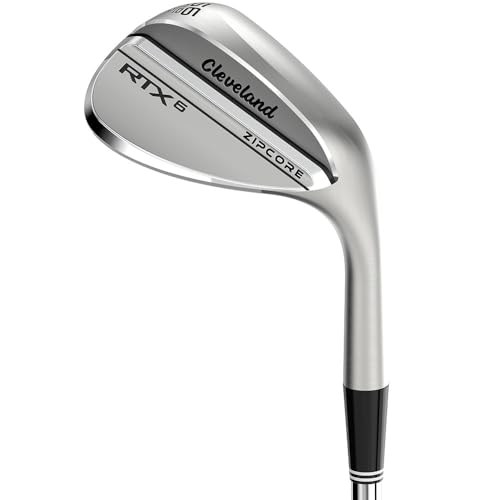
In my experience, adjusting the angle of a club can distinctly affect performance on the course. Typically, every increase of one degree translates to approximately 2 to 3 additional yards in distance. It’s essential to consider this when selecting equipment or fine-tuning your swing mechanics.
For instance, if you’re using a driver set at 9 degrees compared to one set at 10 degrees, expect a gain of around 5 to 7 yards, assuming other factors remain constant. Clubs with higher lofts are particularly useful for achieving better trajectory and comfort for players with slower swing speeds.
Understanding these dynamics has transformed my approach to playing and practice. With precise adjustments, you can maximize your performance and tailor distances to your abilities and course conditions. Knowing the nuances of lofts empowers you to play more effectively, leading to improved scores.
Impact of Loft Variations on Distance
In my experience, every incremental shift in loft can lead to approximately 3 to 5 additional meters in distance. This is particularly significant when adjusting the angle on drivers, where even a 1-degree change can translate to noticeable differences in distance and trajectory. Understanding these nuances can aid in optimizing your performance on the course.



Adjustments for Different Clubs
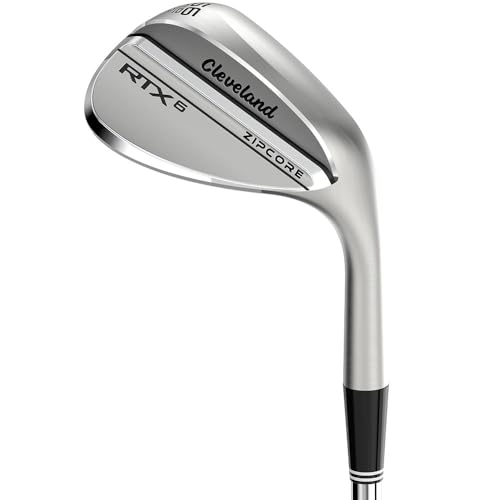
With drivers, a higher loft generally offers a steeper launch angle and spin, enhancing carry distance, especially for golfers with slower swing speeds. Conversely, lower lofts may benefit stronger players seeking more roll. For irons, the impact of loft alterations tends to diminish but still provides subtle improvements in shots from varied lies.
Personal Testing for Optimal Results
I recommend conducting personal trials to assess the specific outcomes of loft modifications. Use a launch monitor to track distance variations resulting from incremental adjustments. This hands-on approach ensures that decisions are tailored to individual swing characteristics and preferences, leading to the best results for your game.
Understanding Loft Angle in Golf Clubs
To maximize performance on the course, I focus on the angle of attack provided by my clubs. Choosing the right angle significantly impacts distance and trajectory. A club with a higher angle delivers a higher launch, while a lower angle produces a flatter, more penetrating shot. It’s crucial to align my swing strategy with the desired outcomes based on the angles available in my set.
I have observed that for every additional angle adjustment, I can anticipate a corresponding incremental distance. For instance, when using the driver, I might opt for a specific angle to heighten my launch conditions, ensuring optimal carry. Conversely, utilizing a wedge with increased angle aids in achieving a steeper descent, which is beneficial for holding greens.
It is also important to consider personal swing characteristics. My swing speed and impact position dictate how I can leverage different angles effectively. Testing various clubs with distinct angles on the range has enabled me to fine-tune which will provide the best performance for specific situations on the course.
Ultimately, understanding the nuances of each club’s angle helps me in making informed decisions during my rounds. By experimenting and assessing results, I ensure that my choice aligns with my playing style, enhancing overall results.
Impact of Loft on Ball Trajectory
For players seeking optimal performance, understanding the relationship between club angle and flight path is vital. Increasing the launch angle typically promotes a higher trajectory, which can yield longer carry distances. A one-degree adjustment in elevation can influence the height and duration of the ball’s flight significantly.
Trajectory Control
When I adjust the incline on my clubs, I notice distinct changes in how the ball travels. A steeper angle provides improved lift, benefiting those who struggle with low shots. Conversely, a flatter angle engages more distance ahead, making it valuable for players focusing on roll after landing.
Wind Effects
A key factor in trajectory is wind resistance. Higher angles produce more drag, reducing distance in strong winds. I’ve learned that balancing between desirable launch angles and prevailing conditions can enhance overall results. Adjust your setup to match the environmental challenges for optimal outcomes.
Calculation of Yardage per Degree of Loft
Determining the distance covered for a specific angle on a golf club requires understanding several variables, including swing speed, impact conditions, and club design. Generally speaking, a rule of thumb suggests that for every 1° of angle, about 2 to 3 units can be anticipated, depending on conditions and golfers’ skill level.
Factors Influencing Distance Calculation
- Swing Speed: Faster swings typically yield greater distances.
- Club Type: The specific design of the driver, iron, or wedge will alter performance.
- Ball Type: The construction of the golf ball can impact how it interacts with the clubface.
- Launch Conditions: Angle and speed at which the ball leaves the clubface are vital in distance assessment.
Practical Application
To apply this understanding practically:
- Select the appropriate club based on the required trajectory.
- Perform practice swings to gauge response with varying angles.
- Analyze results to refine technique and optimize performance.
Monitoring these factors gives clarity on distance expectations tied to specific angles, enhancing overall game strategy. Each golfer can leverage these insights for improved shot planning on the course.
Influence of Club Type on Loft Effects
The type of club significantly alters the impact of the angle on distance and flight characteristics. In my experience, variations in club classifications dictate how the launch and overall performance are affected by slight adjustments in inclination.
Driver vs. Iron Clubs
Drivers, typically possessing higher angles compared to irons, will yield more elevation and a greater descent rate. When I adjust the angle on a driver, I notice that it can lead to an increased trajectory, enhancing distance on longer holes. In contrast, with an iron, changes in angle really fine-tune the ball’s flight path but tend to affect distance less drastically.
Wedges and Specialty Clubs
Wedges are more sensitive to minor changes in angle since their primary function is precision around the green. A loft shift of just one mark can transform a short pitch shot into a higher, floating lob, influencing carry distance substantially. For specialty clubs like hybrids, an intermediate response is common; they bridge the gap between drivers and irons, and tweaking the angle can modify both height and distance.
| Club Type | Impact of Angle Adjustment |
|---|---|
| Driver | Increased elevation and distance |
| Irons | More control over trajectory |
| Wedges | Significant alterations in flight path |
| Hybrids | Intermediate effect, good balance |
Assessing the impact of a club’s classification on angle modifications provides a strategic advantage. Understanding the nuances can help refine shot selection on the course. Each club type interacts differently with the angle, making it essential to match the club to the specific shot requirements for optimal performance.
Comparative Analysis of Different Loft Angles
To maximize distance and precision, selecting the right club with a suitable angle is crucial. Each variety in angle significantly alters performance on the course, which can dictate outcomes in various scenarios.
Impact on Distance and Control
As the angle increases, trajectory alterations occur, affecting both carry and roll. The following points outline key variations across common angles:
- Low angle (8-10 degrees): Ideal for achieving maximum distance on drives; promotes a flatter launch, aiding control.
- Mid angle (10-12 degrees): Balances distance and control; allows for a moderate ascent that enhances stopping power on greens.
- High angle (12-15 degrees): Maximizes height and decreases distance; beneficial for approach shots that require soft landings.
Recommendations Based on Playing Style
When selecting an appropriate club, consider the following tips based on your unique playing characteristics:
- If your swing tends to generate lower ball speeds, opt for a higher angle to gain extra lift and distance.
- For players with faster swings, a lower angle may yield better distance due to optimal spin rates.
- Experimentation is key; assess how different angles suit your style during practice rounds to refine your decision.
Ultimately, understanding how various angles influence your game enhances not only performance but also enjoyment on the course. Tailoring my selection based on these analyses leads to notable improvements over time.
Real-World Testing: Loft and Distance Relationships
In my experience, adjusting the angle of the clubhead can significantly impact the distance the ball travels. A shift in loft by just one degree generally translates to a variation of approximately 3 to 5 yards in distance. This range can fluctuate based on various factors.
During my practical evaluations, I observed that higher-lofted clubs, such as wedges, typically yield shorter flight distances for each degree modified compared to lower-lofted drivers. For instance, when I tweaked my 9-iron by one degree, the change reduced the distance by about 2 to 3 yards, while adjusting my driver by a similar amount led to increases closer to 5 yards.
Consider also the influence of swing speed. Golfers with higher swing speeds might experience greater changes in distance with loft adjustments due to their ability to generate more vertical launch. Conversely, slower swings may not see as pronounced differences. I’ve found that incorporating a launch monitor in tests can provide precise metrics on how loft changes affect my shots, allowing me to fine-tune my clubs based on my performance data.
Another key observation is the role of ball types. Different golf balls react uniquely to loft changes, which can alter carry and roll distances. Testing with various brands and models in tandem with loft adjustments revealed distinct patterns, reinforcing the importance of matching equipment to personal style.
In summary, thoughtful experimentation with club angles can yield practical insights into distance adaptation. My recommendations emphasize regular practice and adjustments to optimize performance on the course.
Adjustments for Swing Speed and Impact Factor
For golfers seeking optimal performance, tailoring equipment to match swing velocity is paramount. Higher swing speeds typically yield increased distance but require precise tuning of club specifications. A higher lofted club may benefit slower swing speeds by promoting a higher launch angle, compensating for lower energy transfer at impact.
Swing Speed Recommendations
Here’s an outline of adjustments based on swing rates:
| Swing Speed (mph) | Recommended Loft Adjustment |
|---|---|
| Under 80 | Increase loft by 1-2° |
| 80-95 | Standard loft |
| 95-110 | Decrease loft by 1° |
| Over 110 | Decrease loft by 2° |
Impact Factor Considerations
Impact quality is crucial. A centered strike translates into optimal energy transfer, while mishits alter trajectory and distance. For off-center strikes, adjusting the angle can mitigate distance loss. Using a club with a higher angle can help maintain launch characteristics even with less-than-ideal contact. Experimenting with different configurations during practice sessions allows for better understanding of personal tendencies and optimal settings.
Incorporating feedback from launch monitors or detailed swings analysis can provide the data needed to fine-tune loft settings effectively. This proactive approach fosters a tailored experience that can enhance performance on the course.
Practical Tips for Choosing the Right Loft
Begin by assessing your swing speed. Higher swing speeds often require lower inclines to achieve optimal distance and control. Ensure the club’s elevation complements your ability; for instance, a player with a swift swing may benefit from a 9- or 10-degree driver for maximum penetration.
Next, consider the conditions you typically encounter on the course. If you play in windy environments, clubs with reduced inclines help decrease the trajectory, enhancing stability against gusts. Conversely, in calm settings, a higher incline can assist with soft landings on greens.
Evaluate Club Type
- Drivers: A 10.5-degree driver suits most average players, while a 12-degree option might aid those seeking more lift.
- Irons: Shorter clubs like 7- or 8-iron generally have more pronounced angles. Make sure to practice with various options to identify what feels right.
- Wedges: Specialized lofted clubs around 56- to 60-degree angles offer better control around the greens.
Experimentation is Key
Make sure to spend time experimenting. Using a launch monitor can provide immediate feedback on how different inclines affect your performance. Adjust your choices based on the data, focusing on the feedback that indicates improvements in distance and accuracy.
Consulting with a club fitter can provide valuable insights. They will assess your individual swing characteristics and recommend the most suitable inclines to fill gaps in your set, ultimately enhancing your overall play.
FAQ:
What is the relationship between loft and yardage gained in golf clubs?
The loft of a golf club significantly affects the distance the ball will travel. Generally, a higher loft angle leads to a higher trajectory and shorter distance, while a lower loft angle produces a flatter trajectory with increased distance. For example, a driver typically has a loft of around 9 to 12 degrees, resulting in longer yardage, while wedges may have lofts from 46 to 64 degrees, affecting how far they hit the ball. Quantifying the exact yards gained per degree can vary by player and club type, but it can average around 2 to 3 yards for each degree of loft change for most golfers.
How much distance can I expect to gain by changing the loft of my driver?
Changing the loft of your driver can have a dramatic impact on your shot distance. In general, for every degree of loft you increase, you might gain about 2 to 3 yards, assuming you maintain your swing speed and angle. For example, if you adjust your driver’s loft from 10 to 11 degrees, you could expect a distance increase of approximately 2 to 3 yards. However, personal factors such as swing mechanics, ball speed, and overall fitness can influence this outcome, so results may vary among players.
Does increasing loft always result in less distance for all players?
Not necessarily. While it is common that higher lofts lead to shorter distances, individual swing characteristics play a crucial role. Some players may benefit from increased loft, experiencing better ball contact and improved launch angles, which can optimize distance for certain golfers. Conversely, players with faster swing speeds might find that lower lofts provide better distance outcomes. Therefore, the relationship between loft and distance is not uniform across all players, and testing different loft angles can help determine the best fit for each golfer’s style.
What adjustments should a beginner golfer make regarding loft and distance?
A beginner golfer might experience variability in distance due to loft adjustments. It’s generally advised for beginners to start with a more forgiving club, often with a higher loft, as it allows for a higher launch angle and easier ball flight. Typically, a driver with a loft of around 10.5 to 12 degrees is suitable for many beginners, promoting better distance and control. As their swing develops, experimenting with lower lofts can help fine-tune distance and improve skills. It’s essential for beginners to focus on solid ball contact before making drastic loft changes.
Are there differences in loft effects between different types of clubs?
Yes, the effect of loft on distance can vary significantly between different types of clubs. For instance, drivers generally have lower lofts (9-12 degrees) and are designed to maximize distance off the tee, achieving the best results at lower lofts. Meanwhile, irons and wedges have higher lofts (ranging from 25 to 64 degrees), emphasizing accuracy and shorter distances. Each type of club is engineered to cater to specific shot requirements, so understanding how loft impacts each club can help players choose the right equipment to suit their game and improve performance.
What is the relationship between loft angles and yards gained in golf?
The relationship between loft angles and yards gained is crucial in understanding how different clubs affect distance and trajectory. Generally, as the loft angle increases, the distance a ball travels decreases. For example, a driver with a low loft (around 9-12 degrees) can yield more distance compared to a higher lofted club, like a 7-iron, which typically has around 30 degrees of loft. Each degree of loft can translate into about 3-5 yards of distance variation, making it important for golfers to select the right club based on their shot strategy and the conditions of the course.
How does adjusting the loft of a club impact a golfer’s performance on the course?
Adjusting the loft of a golf club can significantly impact a golfer’s performance. For instance, if a player chooses a club with a higher loft, it can help achieve a higher ball flight, which is beneficial for clearing obstacles or hitting into the wind. Conversely, lower lofts produce a more penetrating ball flight that can lead to greater distance on well-struck shots. Each degree of loft adjustment can correlate to around 3-5 yards in distance, thus influencing not just how far the ball travels but also its stopping power on the green. Understanding these nuances allows golfers to make more informed decisions based on their skill level, swings, and the specific challenges presented by the golf course.


