
 Caleb Turner

To address scratches and scuffs on your metal seating, I recommend a thorough cleaning first. Utilize a mixture of warm water and mild detergent. Gently scrub the affected area with a soft cloth to remove any dirt and debris. Rinse well and allow it to dry completely before proceeding.
For minor chips, choose a touch-up paint that matches the original color. Apply it carefully to the damaged area using a small brush, aiming for a smooth finish. Allow ample drying time as recommended by the manufacturer before using the furniture again.
If rust has formed, use sandpaper to gently remove it, ensuring the area is smooth once more. After sanding, a rust-inhibiting primer is wise to apply before touching up with paint. This additional layer helps prevent future corrosion, enhancing the longevity of your seating.
Finally, consider applying a protective sealant to all surfaces periodically. This upkeep not only guards against wear and tear but also maintains the aesthetic appeal of your outdoor items over time.
Repairing Outdoor Metal Surfaces
Clean the area with soapy water and a soft brush to remove dirt and rust. Rinse thoroughly and let it dry completely.
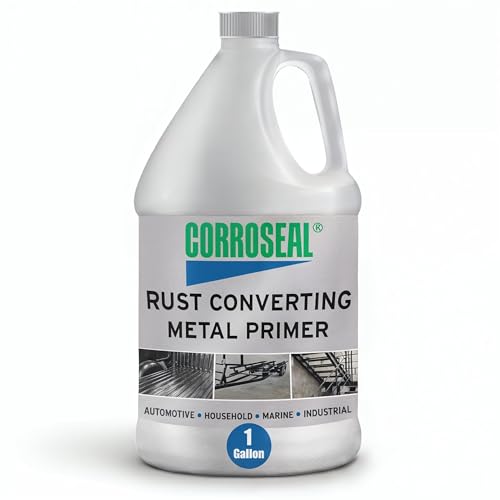


For small scratches and chips, I use an appropriate touch-up matching paint. Shake it well and carefully apply it to the damaged sections using a fine brush or applicator. Allow it to dry fully before applying a second coat if necessary for coverage.
If corrosion has compromised a larger area, it’s effective to sand down the damaged metal until you reach a stable surface. I prefer using sandpaper with a grit of 120, followed by 240 for a smoother finish. After sanding, repeat the cleaning process to remove dust.
A dedicated metal primer helps in areas where the original finish is removed. Apply it evenly and let it cure for the recommended time before proceeding to the next step.
Finish with a protective topcoat designed for metal surfaces. Spray or brush it on, ensuring even coverage. Multiple thin layers often yield better results than one thick layer. Allow adequate drying time between coats.
| Step | Action |
|---|---|
| 1 | Clean the surface with soap and water. |
| 2 | Touch up small scratches with matching paint. |
| 3 | Sand larger areas until stable. |
| 4 | Apply a metal primer if needed. |
| 5 | Finish with a protective topcoat. |
Regular maintenance and prompt attention to minor issues will help extend the life of these items. Keeping them clean and protected from the elements makes a significant difference in appearance and longevity.
Assessing the Damage on Your Powder Coated Furniture
Begin with a thorough visual examination. Look closely for scratches, chips, or fading. Catching any deterioration early can prevent further complications. Inspect the edges and corners where abrasion is likely to occur.
Identifying Surface Issues
For minor scratches and scuffs, utilize a damp cloth to clean the area. After cleaning, if the damage is minimal, you may be able to assess the extent of the discoloration. Areas that have lost their sheen may require additional attention to restore their original appearance.
Evaluating Structural Integrity
Take note of any structural concerns, such as bends or cracks in the frame. Gently try to flex the material without applying excessive force. If you observe any movement or instability, mark these areas for potential reinforcement or replacement. Additionally, check for rust; even tiny spots can indicate underlying issues that need addressing.
Document all findings with photographs or notes, making it easier to reference these details throughout the restoration process. This record will assist in determining necessary repair steps and materials. Make sure to prioritize addressing any functional impairments before tackling aesthetic upgrades.
Gathering Necessary Tools and Materials for Repairs
I recommend preparing the following tools and materials before addressing any issues with your items:
- Sandpaper: Use fine-grit sandpaper (around 220 grit) for smoothing out damaged areas.
- Cleaning solution: A mix of mild soap and water or a dedicated cleaner for metal surfaces will help remove dirt and grime.
- Masking tape: This is useful for protecting areas not being worked on during the process.
- Paint primer: Choose a suitable primer to ensure better adhesion of the finishing layer.
- Touch-up paint: Get a color that closely matches the original finish for the best results; ensure it’s compatible with your items.
- Paintbrushes: Use high-quality brushes for even application of the touch-up paint.
- Clear protective coat: This may provide additional protection after the paint has dried.
- Protective gloves: A pair of gloves will keep your hands clean and protected during the process.
- Safety goggles: Protect your eyes from dust and paint during repair tasks.
Additional Supplies
- Ladder or step stool: If your items are elevated, ensure you have a safe way to reach all areas.
- Drop cloths: These prevent paint spills from damaging surfaces underneath your items.
- Varnish remover: In case any old layers need to be stripped before applying new finishes.
Collecting all these items beforehand will streamline the process, making your efforts more effective.
Cleaning the Affected Areas Before Repairing
To achieve a successful fix, I focus on thoroughly cleaning the damaged sections. I begin by removing any dirt, dust, and debris using a soft brush or cloth. Then, I prepare a solution of mild soap and warm water, ensuring it’s not too abrasive. Using a sponge, I gently scrub the affected areas, paying special attention to any stains or buildup.
After this, I rinse the surfaces with clean water to eliminate any soap residue. It’s crucial to dry the areas fully with a clean towel, as moisture can impede adhesion during the restoration process. If there are stubborn spots or oxidation present, I may employ specialized cleaners designed for metal surfaces, making sure to follow the manufacturer’s instructions closely.
Once everything is dry and clean, I inspect the areas again. This step helps ensure that I haven’t missed any hidden debris that could impact the quality of the repair. My diligence in this stage lays the groundwork for a smoother and more enduring finish later on.
Sandblasting vs. Manual Sanding: Choosing the Right Method
For stripping old finishes and preparing surfaces, sandblasting is a robust option. It effectively removes layers quickly and uniformly, making it ideal for larger pieces or extensive damage. However, it comes with a few considerations:
- Requires specialized equipment, which can be costly.
- May cause pitting or damage to the underlying metal if not handled carefully.
- Best suited for those who have experience with abrasive techniques.
Manual sanding offers precision and control, making it suitable for smaller repairs or intricate areas. Here are its advantages:
- More affordable as it can be done with basic tools.
- Allows for detailed attention to specific spots or edges.
- Lower risk of damaging the metal surface.
I recommend assessing the scale of the damage before choosing a method. If the area to be addressed is minor, manual sanding is likely the best route. In contrast, for extensive surface wear, the speed of sandblasting can outweigh its risks. Ultimately, knowing the state of your item and personal capability with tools will guide the decision effectively.
Applying Touch-Up Paint for Small Scratches
I recommend using a high-quality touch-up paint specifically designed for the type of finish you’re working with. Start by selecting a shade that closely matches the existing color; many manufacturers offer touch-up kits for their products.
After ensuring the scratched area is clean and dry, shake the paint bottle well to mix the pigments. Using a fine brush, carefully apply a thin layer of paint directly onto the scratch. Aim to fill in the damaged area without overloading the brush to prevent drips.
Allow the first layer to dry completely before adding a second coat if necessary. This layering technique ensures better coverage and durability. For larger scratches, applying multiple thin coats will yield the best result.
After achieving the desired coverage, consider using a clear sealant to enhance the finish and provide extra protection against future damage. If possible, use a sealant compatible with your paint type.
For a seamless appearance, lightly sand the edges of the touch-up area with fine-grit sandpaper once it’s completely dry, then polish it gently to match the surrounding surfaces.
Re-coating Larger Areas: Techniques and Tips
I found that when dealing with extensive damage, careful preparation is key. Begin by assessing the entire area to determine the extent of the wear and any necessary surface treatments. This analysis helps in planning a systematic approach for reapplication.
Using an orbital sander with medium-grit paper is effective for larger sections. I recommend working in sections to ensure uniformity, applying consistent pressure to avoid uneven patches. After sanding, clean the surface to remove any dust and debris; a damp cloth or vacuum is ideal for this purpose.
For application, I prefer using a high-quality spray gun for an even finish. This method allows for better control and ensures a smooth coat over large areas. It’s crucial to maintain a consistent distance from the surface to prevent drips. A 10-12 inch distance typically works best, along with steady, overlapping strokes.
I noticed that applying multiple thin coats is preferable to a single heavy coat. This helps prevent runs and allows for better adhesion. Allow each layer to dry thoroughly before applying the next; check the manufacturer’s instructions for drying times.
Finally, consider environmental conditions. Low humidity and mild temperatures facilitate better curing. I always recommend avoiding extreme weather, as it can severely affect the finish. If it’s too windy or humid, it’s better to wait for optimal conditions.
Ensuring Proper Curing of the New Coating
I recommend letting the surface cure for at least 24 hours at room temperature after application. Higher temperatures can shorten this time, but monitoring is key to avoid issues. The curing process transforms the applied material into a durable finish, enhancing its longevity.
Maintain a dust-free environment during the initial curing phase. Even small particles can compromise the finish. Use a clean, well-ventilated area to minimize contamination.
If available, employ an oven for curing. Set the temperature according to manufacturer specifications, usually around 350°F (175°C) for optimal results. This method provides uniform heat and accelerates the curing time.
After the recommended curing period, perform a visual inspection. Look for any imperfections or uneven areas. If you notice issues, additional curing time might be necessary. Always allow proper cooling after curing before handling to prevent damage.
Lastly, avoid placing heavy objects or exposing the surface to harsh conditions immediately after curing. This approach will help maintain the integrity of the new finish, ensuring it withstands the test of time.
Preventing Future Damage: Maintenance Tips
Regular maintenance is crucial for extending the lifespan of your outdoor pieces. After assessing the condition and conducting necessary fixes, I focus on a few key practices to keep them looking new.
Routine Cleaning
Thoroughly clean surfaces every few weeks using mild soap and water. Avoid abrasive cleaners that can cause scratches. Rinse well and dry to prevent moisture buildup.
Protect from Elements
Whenever possible, I cover or store my items during harsh weather conditions, such as heavy rain or intense sun exposure. Investing in quality protective covers can drastically reduce wear.
| Tip | Description |
|---|---|
| Cover When Not in Use | Utilize high-quality covers to shield against rain, UV rays, and debris. |
| Inspect Regularly | Schedule monthly checks for any signs of wear or damage to address issues early on. |
| Avoid Chemical Exposure | Keep items away from harsh chemicals like fertilizers and cleaning agents that can lead to discoloration. |
Maintaining outdoor items not only protects your investment but ensures they remain a stylish part of your space for years to come. By following these straightforward tips, I can significantly minimize potential damage and keep them in top condition.
When to Call a Professional for Repairs
Recognizing the right moment to enlist expert assistance can save time and ensure quality results. If damage includes significant structural issues, extensive rust, or large areas of missing finish, I recommend contacting a specialist.
Signs You Need a Professional
- Severe corrosion that compromises the integrity of the material.
- Large, uneven areas that cannot be addressed with touch-up products.
- Difficulty achieving a smooth finish after your attempts to reapply the sealant.
- Challenges in color matching or obtaining the correct finish type.
- Concerns about safety or stability of the affected items.
For complex color matching and professional-grade results, consider hiring someone with experience in refinishing surfaces. Their expertise often translates to longer-lasting and more aesthetically pleasing results.
Benefits of Professional Help
- Access to specialized equipment not typically available for personal use.
- Knowledge of advanced techniques that ensure durability of the restoration.
- Warranties on work performed, providing peace of mind for future issues.
Weigh the costs against the potential benefits. Sometimes, investing in a professional may prevent further expenses down the line due to recurring issues.


