Caleb Turner

Before applying paint, thoroughly clean the surfaces to remove any dust or grease. Use a mixture of water and mild detergent, then let it dry completely.
Sand the surfaces gently with fine-grit paper to promote adhesion. Ensure you focus on the edges and any detailed areas, as this will enhance the final finish.
Prime the pieces with a suitable primer, especially if the original color is dark or stained. Select a high-quality product designed for the material, allowing adequate drying time between coats.
Apply two or three thin layers of your chosen bright paint, using a brush or roller. This technique prevents drips and builds a smooth surface. Take your time to cover all areas evenly.
Once dry, finish with a protective clear coat to enhance durability and increase resistance to wear. This step preserves the fresh look and makes cleaning easier.


Repainting Furniture in a Light Hue
I began by removing all hardware from the piece I was working on, ensuring that I wouldn’t accidentally coat any knobs or handles with the new finish. After that, I thoroughly cleaned the surface to eliminate dust and grime. A degreaser or a simple mixture of water and mild soap served well for this purpose.
Preparation Steps
Sanding is critical; I used a medium-grit sandpaper to lightly scuff the existing finish. This creates a better bond for the new layer. I followed up with a fine-grit paper to smooth the surface further. Vacuuming and wiping down the area with a tack cloth achieved a dust-free environment before painting.
Application Process
The application of primer cannot be overlooked. I selected a high-quality primer suitable for the material type. Using a brush for corners and edges while employing a foam roller for flat surfaces helped achieve an even layer. Once the primer dried, I applied multiple thin coats of paint, waiting for each coat to dry as per the manufacturer’s instructions. A satin or semi-gloss finish often yields a pleasing result.
Choosing the Right Type of White Paint for Wood Furniture
Selecting the appropriate shade and type of paint is fundamental for achieving desired results. I recommend opting for water-based acrylic paint for numerous reasons. It dries faster, has lower levels of volatile organic compounds (VOCs), and offers easy cleanup with soap and water.
Types of Paint Finishes
Different finishes contribute to the final appearance and durability. Here’s a brief overview of popular options:
| Finish | Characteristics | Recommended Use |
|---|---|---|
| Matte | Non-reflective, soft look | Low-traffic areas |
| Satin | Slight sheen, easy to clean | Moderate-traffic areas, everyday items |
| Gloss | High shine, very durable | High-traffic areas, accents |
Consider the Undertones
Understanding undertones can elevate the overall look. A pure white may appear stark, while shades like off-white or creamy tones can create warmth and a softer effect. Testing samples is crucial to ensure harmony with surrounding elements.
Preparing the Surface: Cleaning and Sanding Techniques
Thorough cleaning begins with removing any dust, dirt, and grease. I use a mixture of warm water and mild soap to wipe down the entire piece. A soft cloth or sponge is ideal for this task. After that, I rinse with clean water to avoid soap residue and dry with a lint-free towel.
For glued or oiled surfaces, a degreasing solution ensures complete cleanliness. I apply it with a cloth, allowing it to penetrate before wiping away. This step is crucial for adhesion of subsequent layers.
Next, I turn to sanding. This process removes the old finish and evens out the surface, preparing it for new coating. I prefer using medium-grit sandpaper (around 120-grit) for initial sanding. I focus on corners and intricate areas using sanding sponges or smaller pieces of sandpaper. Once the old finish is sufficiently worn down, I switch to finer grit (220-grit) for a smooth, even surface.
After sanding, I always vacuum the dust particles away and wipe the surface with a tack cloth. This helps ensure no debris interferes with the new finish, leading to a more professional outcome.
Applying Primer: Importance and Best Practices
Using a primer before painting is a crucial step that significantly affects the final appearance and durability of the finish. The right primer promotes adhesion, seals the surface, and contributes to an even color distribution. Here’s how to effectively apply primer:
- Select the Appropriate Primer: For best results, choose a high-quality latex or oil-based primer. If the surface has knots or imperfections, use a stain-blocking primer to prevent bleed-through.
- Prepare the Area: Ensure the space is well-ventilated and protect surrounding areas with drop cloths or painter’s tape. Cover surfaces that won’t be painted to avoid any unintentional marks.
- Application Technique: Use a good brush or roller, and apply the primer in thin, even coats. Start from one end and work towards the other, maintaining a wet edge to reduce lap marks.
- Drying Time: Allow the primer to dry completely according to the manufacturer’s instructions. This typically takes a few hours, but it’s vital for achieving a uniform finish.
- Light Sanding: Once dry, lightly sand the primed surface with fine-grit sandpaper. This enhances smoothness and promotes better adhesion for the subsequent paint layer.
By following these practices, I ensure a strong foundation for the final paint application, enhancing both aesthetics and longevity of the project.
Selecting Tools and Brushes for a Smooth Finish
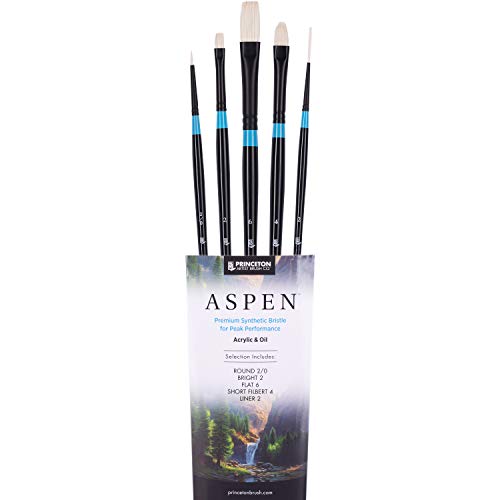
Choose high-quality synthetic brushes that hold paint well and provide a smooth application. A 2- to 3-inch angled brush works best for corners and detailed areas, while a 4- to 5-inch flat brush covers larger surfaces efficiently.
Consider Rollers
For flat surfaces, roller covers with a smooth finish ensure even coverage. Look for a ¼-inch nap roller to minimize texture on the final coat.
Spray Options
Using a spray gun can deliver an ultra-smooth result, especially for intricate pieces. Ensure you practice on scrap material first, and consider a mask for proper ventilation.
- Brush Types:
- Polyester or nylon for synthetic blends
- Natural bristle brushes for oil-based paints
- Roller Selection:
- Choose a mohair or microfiber roller for smooth finishes
- Use a paint tray for even loading
- Maintenance:
- Clean brushes immediately after use to keep them in optimal condition
- Store brushes upright to maintain bristle shape
Incorporating the right tools is fundamental for achieving a polished look. Quality equipment directly influences the application, resulting in a professional finish without brush strokes or roller lines.
Techniques for Applying White Paint Evenly
Use a high-quality synthetic brush for smooth application. This type of brush holds the paint better and provides an even layer without leaving streaks.
Application Methods
For large surfaces, consider a foam roller. It offers a smooth finish and minimizes brush marks. When using a roller, apply a thin layer and follow up with a brush to catch any missed spots.
Employ the “W” technique while brushing. Start at one edge and make a “W” shape, then fill in the gaps without lifting the brush. This promotes an even coat without bubbles.
Layering for Perfection
Apply multiple thin layers instead of one thick coat. Thin layers dry faster and reduce the risk of drips. Wait for each layer to dry completely before applying the next to achieve a uniform look.
Lightly sand between layers with fine-grit sandpaper. This not only removes imperfections but also promotes adhesion for subsequent coats.
Finishing Touches: Topcoats and Sealing Options
After achieving that perfect shade on your cabinetry, applying a suitable topcoat is vital for longevity and protection. Consider using water-based polyurethane, which dries clear and provides excellent durability without yellowing over time. For a more lustrous, semi-gloss finish, opt for an oil-based polyurethane. Each of these options offers distinct advantages depending on the desired final appearance.
Choosing the Right Topcoat
When selecting a sealant, ensure it complements the paint type chosen. For chalk paint, a wax finish enhances texture while offering a soft sheen. On the other hand, enamels benefit from a clear coat that intensifies their glossiness and resistance to scratches. Always test a small area first to confirm compatibility and aesthetics.
Application Techniques
Using a high-quality synthetic brush or foam applicator will help avoid brush marks while applying the topcoat. Apply in thin, even coats, letting each layer dry completely before adding the next. Lightly sanding between coats with fine-grit sandpaper enhances adhesion and results in a smoother, more professional finish. Keep the workspace well-ventilated during the process to ensure optimal drying conditions.
Maintenance Tips for White Painted Furniture
Regular dusting with a microfiber cloth helps maintain the fresh appearance of the surface. I avoid abrasive materials that might scratch the finish.
For deeper cleaning, I prepare a mild solution with water and a small amount of dish soap. A soft cloth dampened with this mixture keeps the surface clean without damaging the paint.
Spills should be addressed immediately. I gently blot the area with a clean, dry cloth, avoiding vigorous rubbing which can mar the finish.
Every few months, I check for any signs of wear or chipping. Touching up these areas promptly prevents further damage.
To protect against heat, I always use coasters under drinks and placemats under hot dishes. This minimizes potential heat damage.
Exposure to direct sunlight can cause fading. I rotate the placement of items regularly and consider using curtains or blinds to shield from harsh light.
Applying a clear protective sealant every couple of years renews the surface and adds an extra layer of durability. It’s important to follow the manufacturer’s instructions for application.
I recommend avoiding harsh chemicals or solvents, as these can break down the finish over time. Simple, gentle cleaning solutions are my go-to.
Periodic polishing with a quality furniture polish enhances shine and provides a protective barrier, keeping the surface looking pristine.