
 Caleb Turner
To tackle those frustrating marks that plague your wooden surfaces, I have found that using a mixture of baking soda and water creates an effective paste. Apply the paste directly to the affected area, gently rubbing it in with a soft cloth. This method eliminates the need for harsh chemicals and is safe for the finish of your items.
If the marks persist, consider trying a bit of toothpaste. Dab a small amount on a clean cloth and apply it in a circular motion over the blemished area. The mild abrasiveness helps lift the discoloration without damaging the underlying wood.
For deeper issues, a simple application of olive oil combined with vinegar can restore the luster and minimize marks. Mix equal parts of both ingredients, apply them to the surface using a soft cloth, and buff gently. This not only addresses discoloration but also provides nourishment to the wood.
Restoring Furniture Surface Marks
I found that mayonnaise can work wonders. I applied a small amount on a cloth and gently rubbed it on the affected area. After a few minutes, I wiped it off with a clean cloth, revealing a noticeably improved finish.


An alternative is using toothpaste. I took a non-gel variety, applied it to a soft cloth, and then worked it into the blemish in a circular motion. Once done, I dampened another cloth to remove any residue, leading to a cleaner appearance.
Baking soda also proved effective. I created a paste by mixing it with water and then applied it to the area with my finger. After a few minutes, I gently wiped it away, which usually left the surface looking refreshed.
If natural solutions don’t suffice, a commercial product designed for furniture care may be necessary. Following the manufacturer’s instructions allowed me to achieve satisfactory results without excessive effort.
<p Testing any method on a hidden area first is a wise precaution. It ensured that the approach I chose would not damage the original sheen or finish, preserving the overall aesthetic of my piece.
Identify the Type of Wood Finish on Your Furniture
Determining the finish on your piece is crucial. Examine the surface carefully. For a glossy appearance, it’s likely lacquer or polyurethane. A softer sheen suggests it could be oil or a penetrating product. Rub a small, hidden area with a damp cloth; if the finish smudges, it points towards a water-based option.
Testing for Different Finishes
To distinguish between finishes, conduct a simple test using denatured alcohol. Apply a small amount on a cotton ball and rub it on a discreet section. If the finish dissolves, you’re dealing with shellac. If there’s no effect, it’s likely a more durable finish such as lacquer or polyurethane.
Identifying Oil-Based Finishes
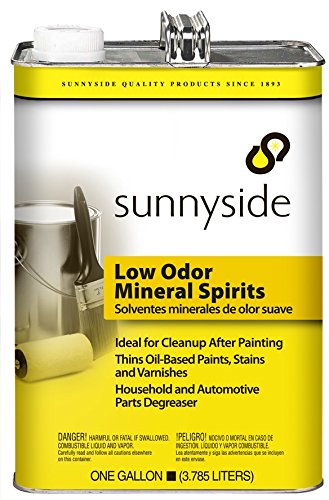
If your surface feels oily or has a slight tackiness, it may be treated with an oil finish. Check for any changes in color by applying a few drops of mineral spirits in a hidden area. A darkening effect indicates an oil-based treatment. For wax, a cloth will leave a residue or shine when rubbed. Knowing what you’re up against aids in selecting the right approach for restoration.
Gather Necessary Supplies for Stain Removal
Begin with these items to effectively tackle the marks:
- Lint-Free Cloths: Soft cloths prevent further scratches during cleaning.
- Mineral Oil or Olive Oil: A natural option for moisturizing the surface.
- Baking Soda: An abrasive that can aid in lifting deposits.
- White Vinegar: A mild acid that helps break down moisture residue.
- Wax or Furniture Polish: To restore shine after treatment.
- Rubber Gloves: Protects hands during application of cleaning agents.
Optional Supplies
- Toothpaste: Non-gel variety can assist in gentle abrasion.
- Fine Steel Wool: Use cautiously on tough blemishes, preferably the finest grade.
- Alcohol: Isopropyl alcohol can also be useful for tougher marks, applied with care.
Assemble these supplies to ensure the process goes smoothly, allowing for a thorough and careful effort in restoring your piece.
Test a Small Area Before Full Treatment
I recommend choosing an inconspicuous section of the surface to conduct the initial test. This will help determine how the applied method interacts with the existing finish.
Apply a small amount of your cleaning solution using a soft cloth or cotton swab. Gently rub the area in a circular motion, observing any immediate reactions. Allow it to sit for a few minutes before wiping it clean with a damp cloth.
Evaluate the results. If the tested spot shows no signs of damage or discoloration, you’re set to proceed with the full treatment confidently. However, if you notice adverse effects, it indicates that you should consider an alternative method or solution.
Always prioritize the integrity of the item; testing ensures that the restoration approach complements rather than compromises the original aesthetics. Document your findings to avoid missteps during the main application.
This cautious step can save time and potential disappointment. Ensuring compatibility is key, leading to a more satisfying outcome while preserving the character of the piece.
Apply Mayonnaise or Petroleum Jelly for Treatment
I found that applying mayonnaise or petroleum jelly can effectively tackle the issue. Start with a small amount of mayonnaise or jelly, using a clean cloth to gently rub it into the affected spot. The oils in these products penetrate the finish, helping to soften and lift the marks left behind.
Allow the treatment to sit for at least 15 to 30 minutes. This waiting period is crucial for allowing the ingredients to work on the blemish. Afterward, wipe off the excess with a clean, dry cloth. You may need to repeat this process a couple of times for stubborn marks.
After the treatment, it’s advisable to use a wood polish or furniture wax to restore the overall sheen of the surface and provide additional protection. This simple technique has worked wonders on my pieces, rejuvenating the appearance without damaging the finish.
Use a Hair Dryer to Help Remove the Stain
Point the hair dryer at the discolored area, setting it to a medium heat setting. Keep the nozzle a few inches away to prevent overheating. Move the dryer in a circular motion to evenly distribute the warmth across the surface.
Monitor the area closely as you heat it. Often, the moisture trapped under the finish will be released as the wood warms. Look for changes in the discoloration, which may begin to fade. Continue this process for a few minutes but avoid prolonged direct heat to prevent damage to the finish.
If the blemish persists, alternate between heating and gently rubbing the affected area with a clean, soft cloth. This can help blend the finish while continuing to draw out moisture. Repeat as necessary, maintaining a safe distance with the dryer, ensuring the wood doesn’t overheat.
Consider Using a Vinegar and Olive Oil Mixture
Combining equal parts of vinegar and olive oil offers a natural approach to tackling those pesky marks left on surfaces. This mixture not only aids in lifting the discoloration but also nourishes the finish, enhancing its luster.
Steps to Prepare and Use the Mixture
- Mix one tablespoon of white vinegar with one tablespoon of olive oil in a small bowl.
- Stir the ingredients thoroughly until well combined.
- Soak a soft cloth in the mixture and wring it out to avoid excess liquid.
Application Tips
- Gently rub the cloth over the affected area in a circular motion.
- Allow the solution to sit for a few minutes to penetrate and soften the mark.
- Wipe with a clean, dry cloth to buff the area and reveal a smoother surface.
This method is straightforward and often yields satisfying results. Checking for any adverse reactions in an inconspicuous spot is always wise before full application. Regular use can protect and maintain the integrity of your piece over time.
Remove Stains with Baking Soda Paste
I recommend mixing baking soda with water to create a thick paste. This method can often lift marks effectively while being gentle on the finish.
Steps to Create and Use the Paste
To prepare the paste, combine three parts baking soda with one part water in a bowl. Stir until the mixture is consistent and easy to apply.
Apply the paste directly onto the affected area using a soft cloth. Gently rub in a circular motion, allowing the paste to penetrate the surface. Let it sit for about 10 minutes, then wipe away with a clean, damp cloth.
Additional Tips
If the marks persist, repeat the application. For tougher spots, a bit more pressure during application can help. Always test the paste on a less visible area first to ensure compatibility with the surface.
| Ingredient | Measurement |
|---|---|
| Baking Soda | 3 Parts |
| Water | 1 Part |
This simple method can revitalize surfaces and restore their natural beauty efficiently.
Evaluate the Results After Treatment
Assessment of the outcome post-application is crucial. Begin by inspecting the area for any lingering imperfections or discoloration. Ensure the previously treated surface feels smooth and matches the surrounding finish.
Steps to Evaluate
- Inspect the treated area under different lighting conditions, both natural and artificial, to identify any remaining spots.
- Run your fingers over the spot; it should feel uniform and match the surrounding texture.
- If the discoloration persists, consider repeating the chosen method or trying an alternative approach.
Final Touches
- Apply a matching wood polish or wax to restore shine and protect the surface.
- Keep the furniture out of direct sunlight for a few days to ensure the treatment sets properly.
- Regular maintenance helps prevent future challenges and keeps the surface looking pristine.
By following these evaluation tips, you can determine the effectiveness of your treatment and ensure your piece remains in excellent condition for years to come.
Know When to Consult a Professional
If I’ve attempted multiple techniques without success or if the damage appears extensive, seeking expert assistance is advisable. Professionals possess the necessary tools and expertise to address stubborn marks without risking further harm.
Also, if the piece has significant sentimental or monetary value, I consider consulting a specialist. Their experience can protect my investment and ensure the restoration is done correctly.
In cases involving delicate or antique items, a professional’s knowledge of specific treatments for various finishes might be crucial to preserving the original integrity of the piece.
If I experience uncertainty regarding the appropriate approach or treatment method based on the wood type or finish, reaching out to a professional can provide clarity and peace of mind.
| Warning Signs | Action |
|---|---|
| Extensive Damage | Consult a specialist immediately. |
| High Value Item | Consider professional restoration services. |
| Antique or Delicate Finish | Seek expert advice for preservation techniques. |
| Uncertainty in Method | Contact a professional for guidance. |


