
 Caleb Turner

To tackle unsightly marks left by hot objects on your wooden surfaces, I recommend a straightforward approach: use a mix of olive oil and vinegar. This combination not only nourishes the wood but also helps lift those bothersome blemishes. Start by blending equal parts of both liquids in a small bowl.
Gently apply the mixture to a soft cloth, ensuring it’s slightly damp but not soaked. Rub the affected area in circular motions, allowing the solution to penetrate the finish. This method can often reduce the appearance of those unsightly marks significantly.
If the initial attempt doesn’t yield the desired results, consider using baking soda as an alternative. Create a paste by combining one part water with two parts baking soda, and apply it to the blemish. Once again, use a soft cloth to gently buff the area, and then wipe clean with a damp cloth. This technique can effectively draw out the discoloration.
Lastly, for stubborn marks, a touch of toothpaste–preferably non-gel and non-whitening–can work wonders. Apply a small amount onto a soft cloth and gently rub it over the blemish. Ensure to wipe away any residue with a damp cloth afterward for a clean finish.


Removing Heat Marks from Wooden Surfaces
I prefer using a small amount of mayonnaise to tackle the problem. Just apply a thin layer directly onto the affected area and let it sit for a few hours, preferably overnight. The oil in the mayo helps to penetrate the damaged finish.
Another approach involves a gentle rub with a soft cloth dipped in a mixture of equal parts vinegar and olive oil. This combination not only helps to lift the marks but also conditions the surface. Wipe it off with a clean cloth after a few minutes.
For a more intense treatment, I mix baking soda with water to create a paste. Gently rub this paste onto the mark using a soft cloth. The mild abrasive action can be effective without causing additional damage.
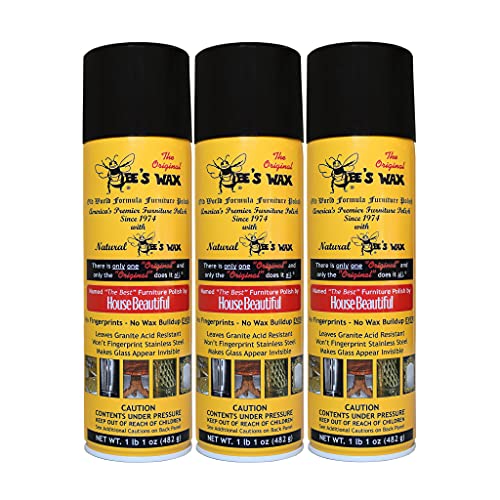
After trying any of these methods, make sure to polish the entire surface to maintain a uniform finish. Regular maintenance with furniture wax or polish can also prevent future occurrences.
Identifying the Type of Heat Mark
First, assess the appearance of the discoloration on the surface. A lightweight, chalky stain typically indicates moisture trapped beneath the finish, whereas a more brownish hue may suggest deeper damage. Use your fingertips to gauge if the area feels rough, signifying that the finish has deteriorated.
Visual Characteristics
| Color | Texture | Indication |
|---|---|---|
| White or Light | Smooth | Moisture-related damage |
| Brown or Dark | Rough or Peeling | Burnt finish or deeper damage |
Consider the duration of exposure to heat. If a hot object had only brief contact, surface-level alteration is more probable, while prolonged exposure often leads to significant issues needing more thorough intervention. Understanding the source of the mark provides insights into the treatment approach, influencing whether mild remedies or extensive refinishing techniques are necessary.
Gathering Necessary Cleaning Supplies
For optimal success in tackling those unsightly blemishes, I recommend having a few specific items ready. These supplies will aid in restoring the natural beauty of the surface.
| Item | Description |
|---|---|
| Mineral Oil | This product serves as a gentle yet effective solution for polishing and rejuvenating the finish. |
| Soft Cloth | Utilize a lint-free cotton or microfiber cloth to prevent any scratching while applying treatments. |
| Mayonnaise or Olive Oil | Both options can act as a combination of oils that moisturize and help lift the marks. |
| Baking Soda | A mild abrasive that aids in lifting stubborn stains when mixed properly with water. |
| White Vinegar | Efficient at breaking down residues, this natural cleaner can safely be used on various finishes. |
| Steel Wool (Fine Grade) | Best used sparingly, fine grade helps in gently buffing out more persistent marks. |
Collect these items before starting the treatment process to streamline your efforts. This approach will enhance the likelihood of achieving excellent results.
Using a Soft Cloth for Initial Cleaning
For the first step in addressing those unwanted blemishes, I prefer a microfiber cloth. It effectively eliminates dust and dirt without scratching the surface. Gently wipe the affected area with a circular motion, applying minimal pressure to avoid further damage.
If the cloth is dry, I may consider slightly dampening it with water, ensuring it is not overly saturated. This method helps lift residue without risking moisture penetration into the material. Always wring out any excess liquid thoroughly.
After cleaning, I allow the surface to dry completely before proceeding to the next steps. This initial cleaning makes it easier to assess the condition of the finish and determine the best approach for treatment.
Maintaining a delicate touch throughout this process is vital, as aggressive scrubbing can exacerbate the issue rather than rectify it.
After the surface is clean and dry, I prepare to analyze the type of discoloration present before selecting the most suitable restoration technique.
Applying Heat to Remove the Spot
To effectively tackle the issue, I utilize a household iron. First, I set the iron to a low heat setting without steam. This prevents any moisture from causing further damage.
I then place a clean, dry cotton cloth directly over the affected area. It serves as a barrier, ensuring that direct heat doesn’t scorch the surface beneath.
With the iron on top of the cloth, I press gently for about 30 seconds. The heat loosens the moisture trapped underneath, promoting its evaporation. I ensure to keep the iron moving slightly to avoid concentrating heat in one spot.
After the time has passed, I carefully lift the cloth to inspect the area. If required, I repeat the process in short intervals, always maintaining the cloth in place.
Once the mark has lifted, I allow the surface to cool naturally. Finally, I apply a suitable wax or polish to restore shine and offer protection against future blemishes.
Testing Oil Methods for Spot Removal
I recommend trying several types of oil to determine which one works best for your surface. Begin with a small amount of mineral oil; apply it to a soft cloth and rub gently over the affected area. This method often enhances the finish and minimizes the visibility of the blemish.
Next, consider using lemon oil. Its natural properties can effectively penetrate and aid in lifting the blemish while adding a pleasant fragrance. Apply a few drops onto the cloth and work it into the affected area in circular motions.
Evaluating Results
After utilizing each oil, let it sit for a few minutes. Wipe off any excess with a clean cloth and assess the results under various lighting conditions. If the discoloration persists, try repeating the process or combining oils for enhanced effect.
Precautions
Always test any oil on a less visible part of the surface first to avoid unexpected reactions. Some oils might react with finishes, leading to further complications. Patience during this process proves beneficial; gradual application often yields the best results.
Using Vinegar to Treat Heat Discolorations
Pour equal parts of white vinegar and olive oil into a small bowl. Mix them well to create a solution. Dip a clean, soft cloth in the mixture, ensuring it’s not overly saturated.
Application Steps
- Gently rub the cloth over the affected area in a circular motion.
- Let the solution sit for a few minutes to penetrate the surface.
- Wipe off any excess with a dry cloth to reveal the restored finish.
Additional Tips
- Test the solution on an inconspicuous spot first to avoid damage.
- Use this method regularly for maintenance to keep the surface looking pristine.
Polishing the Surface After Treatment
Once the blemishes have been addressed, I recommend using a high-quality wood polish to restore the surface’s original luster. Select a polish that is compatible with the specific type of finish on the item, whether lacquer, varnish, or oil-based.
Before applying the polish, ensure the surface is completely clean and dry. Use a microfiber cloth for application, as this material prevents scratches and provides an even sheen. Apply a small amount of polish to the cloth rather than directly onto the wood.
Gently rub the polish onto the surface in circular motions, working in manageable sections. This method not only revitalizes the finish but also promotes a uniform appearance. Allow the polish to sit for a few minutes before buffing it out with a clean, dry cloth to achieve the desired shine.
For optimal results, I suggest conducting a spot test on a less visible area to confirm that the polish does not alter the color or finish adversely.
Regular maintenance, including polishing every few months, helps safeguard against future damage and enhances the overall beauty of the piece. This simple task can prolong the lifespan of the item and keep it looking its best.
Preventing Future Heat Marks on Wood
To safeguard your exquisitely crafted surfaces, I suggest adopting a few key practices. First, utilize coasters for beverages, as they provide a necessary barrier. Consider opting for cork or felt options, which effectively absorb moisture and heat.
Optimal Placement of Items
Avoid placing hot items directly on the surface. Always use a trivet or a heat-resistant mat. This simple step drastically reduces the likelihood of damage.
Regular Maintenance
- Wipe surfaces with a soft, dry cloth after use to remove any moisture.
- Avoid exposure to direct sunlight by rearranging furniture if needed.
- Apply a high-quality furniture polish regularly to create a protective barrier.
- Inspect your items consistently for any early signs of wear and address them promptly.
By implementing these strategies, I ensure that my wooden pieces remain in pristine condition and free from potential blemishes in the future.
When to Consult a Professional Restoration Service
If I notice persistent marks that won’t budge after trying various DIY methods, it’s time to seek expert assistance. Professional restorers have the knowledge and tools to handle difficult cases without risking further damage.
Consider hiring a specialist if:
- The surface shows signs of deep discoloration or cracking.
- Attempts at cleaning have left unsightly streaks or additional marks.
- The furniture is an antique or has significant monetary or sentimental value.
- There are multiple areas affected that require extensive treatment.
Prior to contacting a restoration service, it’s helpful to document the condition of the item with photographs. This can assist the professional in assessing the situation and providing an accurate estimate.
In summary, engaging a restoration service can be a worthwhile investment if DIY efforts do not yield satisfactory results or if I am dealing with valuable pieces that require expert care.


