
 Caleb Turner
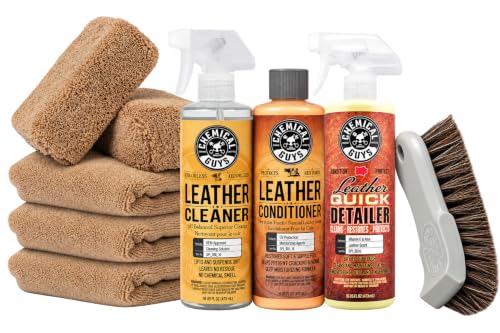
To tackle unsightly marks on your cherished seating, I recommend grabbing a few household items first. Utilize a hairdryer on a low setting, ensuring the nozzle is a few inches away. This gentle heat will soften the stubborn substance, allowing for easier handling.
Next, take a clean cloth or paper towel and carefully blot the affected area after applying heat. Avoid rubbing, as this can damage the texture of the material. A light touch is key to lifting residue without leaving traces behind.


If traces remain, try a mixture of mild soap and water. Dampen another soft cloth with this solution and gently wipe away any leftovers. To finish, make sure to dry the area thoroughly to prevent any moisture damage. With these simple steps, your upholstered piece will look as good as new.
Steps for Cleaning Residue
Gently scrape off excess substance using a plastic knife or a credit card, being careful not to damage the surface. Ensure to work from the outside towards the center to avoid spreading.
Materials Needed
| Item | Purpose |
|---|---|
| Plastic knife | For scraping |
| Soft cloth | For cleaning and drying |
| Leather conditioner | To restore moisture |
Cleaning Process
Next, dampen a cloth with warm water and a few drops of mild soap. Wipe the area gently, avoiding soaking the material. Rinse the cloth and repeat until no traces remain.
After drying, apply a suitable conditioner to maintain the suppleness of the surface. Allow to dry completely before using the item again.
Assessing the Damage Before Treatment
I inspect the surface meticulously, looking for discoloration, cracks, or any signs of wear. Understanding the material’s texture helps me determine the safest approach. A small patch test in an inconspicuous area provides insight into how the substance interacts with the upholstery.
If the finish appears marred, I assess whether it’s a surface-level issue or if deeper penetration has occurred. This distinction dictates whether a simple treatment will suffice or if specialized care is necessary. I take note of any color variations and texture changes that may indicate the need for restorative products.
Next, I evaluate nearby areas for potential spread. If the affected space is large, I concentrate on technique, ensuring to minimize further disruption. Observing how the outer layer behaves during the test helps predict the final outcome and informs my decisions on product application.
All these observations allow me to create a tailored plan, increasing my chances of restoring the piece effectively. Keeping these factors in mind ensures I approach the problem systematically, prioritizing the integrity of the item throughout the process.
Gathering Necessary Supplies for Cleaning
Before tackling the task, I make sure to gather specific items that will aid in the process. A soft cloth is crucial for wiping without causing scratches. I opt for microfiber, as it effectively lifts residue while being gentle on surfaces.
Next, a blunt knife or credit card is vital for gently scraping hardened residue without damaging the underlying material. I ensure it’s clean and free of any sharp edges.
I also keep a solution of mild soap and water on hand, as it’s safe for most materials and helps break down stubborn particles. If necessary, I might consider a specialized leather cleaner designed for such concerns.
For final touches, I grab a soft-bristle brush or a sponge to restore texture after treatment. A leather conditioner can also be beneficial, as it helps maintain suppleness post-cleaning.
Gloves protect my hands from any chemicals in cleaning solutions, while a cloth towel absorbs excess moisture during the process. The right supplies make the whole procedure more efficient and effective. This preparedness ensures a successful cleaning without risking further damage.
Testing Products on a Hidden Leather Area
I recommend choosing an inconspicuous spot on the item, such as the underside of a cushion or behind a leg, to assess new cleaning solutions. Apply a small amount of the product on a soft cloth or cotton swab, then gently rub it onto the selected area. This allows observation of any immediate reactions without risking visible sections.
Monitoring Reactions
After application, wait a few minutes before inspecting the area. Look for discoloration, changes in texture, or any adverse effects. If the leather appears unaffected, proceed with confidence to the larger surface. If damage occurs, discontinue use of that product immediately.
Final Considerations
Always consult product instructions and manufacturer guidelines specific to your upholstery. This ensures compatibility and reduces the risk of long-term damage. Recognizing how different materials respond is crucial in maintaining the integrity of your upholstery.
Removing Excess Residue with a Spoon or Knife
Begin by carefully sliding the edge of a spoon or a dull knife beneath the buildup. Gently lift it without applying excessive force, as aggressive movements can harm the surface. Work slowly, using a back-and-forth motion to ease the accumulation off the material.
After the bulk is freed, examine the affected zone. If any remnants persist, utilize the rounded end of the spoon for a more delicate scraping. This will minimize the risk of damaging the texture.
It’s crucial to keep the tool at a shallow angle, which allows for precision without penetration. Avoid any sharp instruments that could puncture or scratch.
Once excess deposits are eliminated, assess the area again. If necessary, proceed with cleaning solutions tailored for the specific surface to restore its original look.
Applying Heat to Melt Remaining Wax
For the next phase of the cleaning process, I recommend using a hairdryer set to low heat. Hold it approximately 6 inches away from the affected surface. This distance prevents overheating and damage while still providing sufficient warmth to soften any lingering residue.
Move the hairdryer in circular motions over the spot for about 30 seconds. Check the area frequently by gently pressing a clean, absorbent cloth against it. If any substance starts to transfer onto the cloth, stop applying heat.
Using Iron Method
Alternatively, I opt for an iron with a low setting. I place a fine cloth or brown paper bag over the area and briefly press the iron against it. The heat will be absorbed by the cloth, allowing any remaining substance to bond with it rather than directly transferring to the surface.
Keep the iron moving to avoid focusing heat in one spot. After a few seconds, lift the iron and check the cloth for any transfer. Repeat if necessary until no further transfer occurs.
Final Touches
After applying heat, use a soft cloth to gently buff the area. This will help restore a bit of the original luster. Additionally, consider applying a specialized conditioner designed for this type of material to nourish the surface.
Blotting the Area with Absorbent Materials
Immediately apply an absorbent material to the affected surface. A clean cloth or paper towel works effectively in soaking up excess substance. Blot, don’t wipe; this helps avoid spreading the residue further. Use a gentle tapping motion to lift the remaining residue without damaging the surface.
Recommended Materials
- Microfiber cloth
- White paper towels
- Cotton balls or pads
Ensure that the materials chosen are free of dyes and chemicals that could discolor the hide. This conserves the original quality of the upholstery.
Blotting Technique
- Gently press the absorbent cloth against the stained area.
- Lift the cloth straight up, allowing it to draw in the unwanted remnants.
- Repeat this process until no transfer is evident on the cloth.
After blotting, allow the area to air dry naturally. Refrain from using heat sources which could inadvertently set any remaining stains. Conduct a visual check after drying to assess the situation before proceeding with further cleaning methods.
Conditioning the Leather After Wax Removal
Apply a high-quality leather conditioner to restore moisture and flexibility after the cleaning process. This step is crucial to prevent cracking and maintain a plush feel.
Follow these guidelines:
- Choose a conditioner specifically formulated for leather to ensure compatibility.
- Use a soft, lint-free cloth to gently apply a thin layer of the product. Work in small circles for even distribution.
- Pay special attention to areas that may have become dry during cleaning.
- Let the conditioner absorb for the recommended time stated on the product label, typically around 15-30 minutes.
- Buff the surface with a clean cloth to remove any excess and achieve a uniform finish.
Reapply the conditioning treatment periodically, especially if the item is exposed to sunlight, heat, or moisture. Regular maintenance extends the life and appearance of your upholstery.
Consider using a protective spray after conditioning to safeguard against future stains and spills. Ensure the conditioner and protective spray are compatible before application.
Preventing Future Wax Stains on Leather
To mitigate the risk of future stains, I recommend applying a high-quality leather protector. This creates a barrier that helps resist spills and marks, ensuring that the material stays pristine longer.
Regular conditioning is crucial. By maintaining the hydration of the surface, I enhance its resilience against various substances. I choose conditioning products specifically designed for the type of hide I own.
Keeping a clean environment around my pieces is beneficial. I make sure to avoid candle usage near the seating area. Opting for flameless alternatives can significantly reduce the chance of any accidental drips.
When entertaining, I inform guests about the precautions to take. Providing coasters and napkins helps minimize risks and promotes awareness around delicate surfaces.
Avoid placing items that are prone to melting directly on the material. Using trays can contain potential spills, acting as a first line of defense against accidental stains.
Conducting routine inspections allows me to spot any developing issues early. If I notice anything unusual, I take swift action to address it, ensuring the longevity of my cherished pieces.
FAQ:
What is the best method to remove wax from leather furniture?
One effective method for removing wax from leather furniture is to use a hairdryer on a low setting. Hold the hairdryer several inches away from the wax, allowing the heat to soften the wax. Once the wax is pliable, gently wipe it away with a soft cloth. Be careful not to overheat the leather, as this can cause damage.
Can I use household products to clean wax off my leather couch?
Yes, you can use common household items such as rubbing alcohol or vinegar mixed with water to clean wax from leather. Dampen a cloth with the solution and gently rub the affected area. Always test any cleaning solution in an inconspicuous spot first to ensure it does not harm the leather.
What should I avoid when trying to remove wax from leather?
Avoid using sharp objects or abrasive materials, as they can scratch or damage the leather. Additionally, do not use excessive heat or harsh chemical cleaners, as these can cause discoloration or drying out of the leather. It’s also wise to refrain from soaking the leather, as moisture can lead to further damage.
How can I condition the leather after removing the wax?
After you’ve successfully removed the wax, it’s important to restore moisture to the leather. You can use a leather conditioner suitable for your type of leather. Apply a small amount to a soft cloth and gently buff it into the leather, following the manufacturer’s instructions. This helps keep the leather supple and prevents future cracking.
Is there a specific way to prevent wax from spilling on my leather furniture?
To prevent wax spills, consider using candle holders that are designed to catch drips and spills. Additionally, placing a protective covering over your leather furniture or using decorative trays to hold candles can help contain any potential mess. Regularly inspect your candles and ensure they are not burning too low, as this reduces the risk of spills.
What are the best methods to remove wax from leather furniture?
There are several effective methods for removing wax from leather furniture. One popular approach is to use a lint-free cloth. First, gently scrape off any excess wax with a plastic knife or a credit card to avoid damaging the leather. Then, take the lint-free cloth and dampen it with warm water, using it to dab the area around the wax stain. This helps to loosen the wax. After that, you can try applying a small amount of leather cleaner or saddle soap on the affected area, gently rubbing it in a circular motion. For more stubborn stains, you might consider using a mixture of vinegar and water, applying it with a soft cloth and wiping gently. Always test any cleaning solution on an inconspicuous area first and follow up with a leather conditioner to restore moisture.


