Caleb Turner

Begin by combining equal parts of vinegar and olive oil in a small dish. Using a soft cloth, gently rub the mixture onto the affected area in the direction of the grain. This simple blend will help in minimizing the visibility of those unsightly marks.
If the initial method doesn’t yield the desired results, consider using a paste made from baking soda and water. Apply this mixture lightly to the blemish, letting it sit for a few minutes before wiping away with a damp cloth. This technique can help lift the discoloration without damaging the surface.


For persistent issues, a specialized cleaning product designed for laminate surfaces may be effective. Always test any cleaner on a hidden area to ensure compatibility before applying it more broadly. This practice protects the finish and ensures the integrity of your synthetic wood pieces.
Understanding the Types of Watermarks on Synthetic Timber
Types of dampmarks can vary significantly based on their origin. Recognizing the source helps in tailoring the best techniques for treatment. The most common categories I encounter include rings, blotches, and dark patches.
Rings typically arise from placing cold or hot items directly on surfaces. These patterns often indicate minor moisture intrusion and can often be treated with household solutions. Blotches represent spills or localized exposure, suggesting deeper penetration of liquids. Addressing these may require a bit more effort and possibly specialized cleaners.
Dark patches often signify prolonged contact with moisture, leading to more severe degradation of the synthetic material. In such cases, intensive measures are advisable to restore the appearance and protect the integrity of the surface.
By identifying the type of marks, the approach to maintenance can be effectively tailored, ensuring optimal results. Each category requires a thoughtful response to preserve the aesthetic appeal and functional character of synthetic surfaces.
Gathering the Necessary Cleaning Materials
For tackling those unwanted marks on synthetic surfaces, I recommend gathering the following items:
Basic Supplies
Start with a microfiber cloth. It’s gentle yet effective for picking up dirt and absorbing moisture without causing scratches. A soft sponge can also be handy for more stubborn areas.
Cleaning Solutions
Prepare a mix using household items. A blend of equal parts vinegar and olive oil works wonders. Alternatively, a mild dish soap diluted in warm water serves as a great initial cleaning agent. For tougher tasks, consider specialized commercial cleaners designed for synthetic surfaces.
In addition to these, a bowl for mixing solutions and a small brush with soft bristles can help reach crevices. Finally, make sure to have some paper towels on hand for drying or additional blotting needs after cleaning.
Preparing the Surface for Stain Removal
Ensure the area is clear of any objects, allowing for an unobstructed workspace. I’ve found that a clean surface makes it easier to focus on the task without distractions.
Cleaning Before Treatment
Wipe the affected area gently with a soft, dry cloth to eliminate dust or debris. This step helps avoid further scratching during the cleaning process.
Testing with Water
Before proceeding, lightly moisten a clean cloth with water and apply it to a small, inconspicuous section. This test assesses how the material reacts, revealing if deeper cleaning is necessary.
Ensure the environment is well-ventilated. This promotes drying and prevents lingering fumes from cleaning agents. I often open windows or use fans to improve air circulation.
If there’s any furniture polish or wax buildup, it’s best to remove that first. I utilize a mixture of water and a mild detergent to apply with a cloth, rinsing the surface afterward. Make sure to dry thoroughly to prevent any new marks from moisture.
All preparations should create a solid foundation for successful cleaning, ensuring the surface is ready for the next steps in treating the blemish.
Applying DIY Cleaning Solutions for Water Stains
I prefer using common household ingredients for tackling imperfections on synthetic surfaces. One effective mixture involves combining equal parts of vinegar and olive oil. This solution works wonders by not only cleansing but also adding a layer of moisture that protects the material. After mixing, I apply it with a soft cloth, ensuring I gently rub the area until the blemish disappears.
Baking Soda Paste
An alternative method I often utilize is a paste made from baking soda and water. By blending two tablespoons of baking soda with a small amount of water until a paste forms, I carefully apply this to the affected spot. After letting it sit for a few minutes, I wipe it off with a damp cloth. This technique effectively lifts away the unpleasant marks without scratching the surface.
Toothpaste Treatment
For minor spots, I rely on plain white toothpaste–avoid the gel types. I gently rub a small amount on the area using a soft cloth. After a few moments, I clean it away with a damp rag, and most of the time, the flaws are gone. This method not only tackles imperfections but also adds a bit of shine.
Using Commercial Products for Tougher Stains
For persistent marks on your synthetic surfaces, resorting to specialized cleaning agents can be a solid choice. Look for products formulated specifically for these materials, as they target built-up residues without causing damage.
Recommended Commercial Products
Here are some effective options:
| Product Name | Description | Usage |
|---|---|---|
| Wood Furniture Cleaner | Cleans and conditions, suitable for synthetic finishes. | Apply directly with a soft cloth and buff gently. |
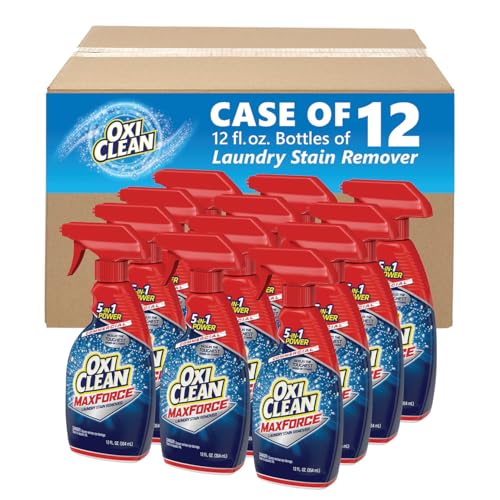
| Stain Remover Spray | Breaks down difficult residues, safe for use on synthetics. | Spray onto the stain, let it sit for a few minutes, then wipe clean. |
| Multi-Surface Cleaner | Versatile option that clears grime and buildup. | Use with a microfiber cloth for best results. |
| Specialized Stain Gel | Concentrated formula that targets embedded deposits. | Apply directly, allow to settle, and wipe away excess. |
Application Tips
Before applying any product, test it on a hidden area to ensure no adverse reactions. Use soft cloths or sponges to prevent scratching the surface. After treatment, rinse with water and dry thoroughly to maintain a good finish.
Preventing Future Markings on Surfaces
Employ coasters and placemats to act as barriers between beverages or hot items and your tabletop. Choose ones with non-slip bottoms to enhance stability and protection.
Apply a protective sealant to the surface periodically. This creates a barrier that helps against moisture and spills. Ensure that the sealant is specifically designed for synthetic materials to maximize effectiveness.
Regular Maintenance Practices
Keep surfaces clean by using a soft, damp cloth for routine dusting. Avoid harsh chemicals, as these can damage the protective layer and make the material more susceptible to damage.
Establish a quick response routine for spills. Promptly blot up any liquid with an absorbent cloth, rather than rubbing, which may spread the moisture.
Environmental Considerations
Control humidity levels in your home, as excessive moisture can affect many materials. Utilize a dehumidifier if necessary, especially in areas prone to dampness.
Avoid placing items that retain heat or moisture directly on surfaces. Always use protective trays or coasters to minimize the risk of damage from accidental spills or condensation.
Maintaining Fake Wood Furniture for Longevity
I ensure that my imitation timber pieces last by following a few straightforward strategies. Regular dusting with a microfiber cloth prevents dirt buildup. I use a gentle cleaner specifically designed for synthetic surfaces, applied with a soft, damp cloth, to keep them looking fresh.
Routine Care
- I wipe spills immediately with a blue cloth to prevent absorption.
- I always use coasters or placemats to shield against damage from beverages and hot items.
- Avoid placing heavy objects on flat surfaces to minimize warping.
Environmental Factors
- I maintain reasonable humidity levels in the room to prevent cracks and peeling.
- Keeping furniture away from direct sunlight protects color and prevents fading.
- It’s essential for me to regulate temperature to avoid extreme fluctuations, which can cause material stress.
Periodic inspection allows me to identify any early signs of wear. Prompt attention to minor issues–like scratches or dents–prevents more significant problems later. By applying these straightforward measures, I keep my synthetic furnishings in excellent condition for years to come.
FAQ:
What household items can I use to remove water stains from fake wood furniture?
You can use several common household items to treat water stains on fake wood furniture. A mixture of equal parts vinegar and olive oil can be effective. Apply the mixture with a soft cloth, rubbing gently in the direction of the grain. Baking soda mixed with water into a paste can also help; apply it gently to the stain and wipe it off after a few minutes. For stubborn stains, try using a bit of mayonnaise; the oils can help lift the water mark.
Is it safe to use commercial cleaners on fake wood furniture?
When selecting commercial cleaners for fake wood furniture, choose options specifically labeled for laminate or veneer surfaces. Always test the cleaner on an inconspicuous area first to ensure it doesn’t damage the finish. Avoid using abrasive cleaners or those with harsh chemicals, as they can strip away the protective layer and damage the furniture.
How can I prevent water stains on my fake wood furniture in the future?
To prevent water stains from forming on fake wood furniture, consider using coasters and placemats to protect surfaces from moisture. Additionally, avoid placing items that can leak or sweat directly on the furniture. Regularly apply a protective polish or furniture wax formulated for the specific material of your furniture to create a barrier against moisture. Wiping up spills quickly will also help maintain the appearance of your furniture.
What should I do if the water stains on my fake wood furniture won’t come out?
If water stains persist despite cleaning efforts, consider seeking professional restoration services that specialize in furniture. They can provide solutions that might involve refinishing or applying a new protective layer. As a last resort, if the stains are still visible, you might opt for re-laminating or refinishing the affected piece to restore its original look. Always evaluate the cost and condition of the furniture before deciding on extensive repairs.