
 Caleb Turner

For stubborn adhesive residue, I reach for a solution comprising equal parts vinegar and warm water. This mixture effectively softens the glue, allowing for easier removal. I apply the solution with a cloth, ensuring the area is well-saturated before gently scraping with a plastic scraper or my fingernail to lift off the remnants.
Should the initial method fall short, a gentle rubbing alcohol treatment offers a potent alternative. Dabbing a small amount onto a clean cloth, I rub the affected area in a circular motion. This technique not only breaks down the adhesive but also minimizes the risk of damaging the existing paint layer.
In cases where excessive residue clings on, a commercial adhesive remover can be beneficial. I carefully select a product that specifies safe use on finished surfaces, applying it with care to avoid drips or spills that could harm unblemished areas. Always conducting a patch test in an inconspicuous spot guarantees the integrity of the finish remains intact.
Assessing the Type of Sticker and Adhesive Used
Before attempting any extraction, I identify the sticker type and its adhesive properties. Different materials may require varied approaches. For instance, paper-based labels usually peel away more easily than plastic or vinyl ones.

If the sticker feels glossy or rubbery, it likely has a stronger adhesive, possibly requiring a solvent to soften it. It’s effective to test a small corner first to gauge how the adhesive reacts. On the other hand, stickers made from matte paper often release without much effort.
Furthermore, I consider how long the adhesive has been in contact with the surface. Older bonds can become tougher to break. If it has been on the furniture for several months or years, a gentle heat source may help to loosen the grip.
Checking for any manufacturing details can also provide insights into the adhesive strength. Some brands use specialized glues that can complicate the removal process. Keeping a record of what works best for different sticker types can streamline future attempts.
In summary, a careful assessment of the sticker type and adhesive properties allows for a tailored approach, minimizing potential damage to the underlying surface.
Gathering Necessary Tools and Materials
For a seamless experience in tackling adhesive remnants, I ensure I have the following items at hand:
- Plastic Scraper: A soft plastic tool helps prevent scratches on the surface while lifting away remnants.
- Rubbing Alcohol or Vinegar: Both liquids serve as effective solvents for breaking down adhesives. I prefer rubbing alcohol for its fast evaporation.
- Warm Water and Mild Soap: A gentle cleanser for the final cleaning process cleans the area without causing potential harm.
- Soft Cloths: Lint-free cloths are essential to avoid leaving fibers behind while wiping surfaces clean.
- Cotton Balls or Swabs: These are perfect for applying solvents precisely when I face stubborn residues.
- Hair Dryer: Low heat settings assist in loosening stubborn adhesive, making it easier to tackle.
Having these materials prepared allows efficient management of any sticky situation. I always check my supplies before starting the project to ensure everything is ready for use.
Applying Heat to Loosen Adhesive
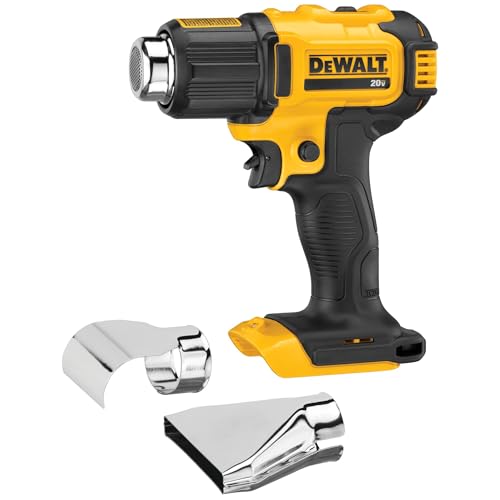
I recommend using a hairdryer or heat gun to effectively soften the adhesive. Keep the device at a medium setting and hold it about 6 inches from the surface. Move it back and forth for even heating, ensuring the area warms up gradually without scorching the finish.
Technique and Timing
Concentrate the heat on one spot for 30 seconds to a minute. Periodically check if the adhesive begins to bubble or peel. Once it’s warmed sufficiently, use a plastic scraper or credit card to gently lift the edge. Be careful not to apply too much pressure, as it can damage the underlying finish.
Safety Precautions
Always prioritize safety. Ensure proper ventilation while applying heat, as it may emit fumes, especially from certain adhesives. Avoid direct contact with the heat source and protect your hands with gloves if necessary. If the surface starts to warp or crack, cease application immediately.
Using solvents for sticker removal
Begin with rubbing alcohol or isopropyl alcohol, applying it directly onto the adhesive surface. Let it sit for a few minutes to penetrate and soften the glue. A cotton ball or cloth works well to dab and absorb the solution. Gently rub the area in circular motions to lift residue.
If alcohol isn’t effective, try acetone or nail polish remover. This solvent is stronger, but should be tested on an inconspicuous area first to ensure it doesn’t damage the finish. After application, wipe away with a soft cloth.
Safety precautions
Ventilate the workspace well to avoid inhaling fumes. Wear gloves to protect your skin and consider goggles if there’s a risk of splatter. Having a first-aid kit nearby is advisable in case of irritation from these substances.
Alternative solvents
Gently Scraping Off the Sticker Residue
Begin by selecting an appropriate tool for scraping. I use a plastic spatula or a credit card, as metal scrapers can easily damage the surface. Position the edge of your chosen tool beneath the adhesive remnants at a shallow angle.
Technique for Scraping
- Apply gentle pressure while sliding the tool along the surface.
- Move slowly to avoid gouging the finish.
- Frequently check the area to minimize the risk of scratching.
If the residue proves stubborn, try reapplying heat to soften it further before resuming scraping. Maintain a steady, fluid motion rather than a forceful approach. Persistent residue may require a soft cloth to wipe any loose bits as they come free.
Post-Scraping Care
- Once all remnants are removed, clean the area with a mild detergent solution to eliminate any remaining adhesive or debris.
- After cleanup, apply a wood polish or furniture wax to restore the shine and protection.
This approach helps maintain the integrity of your piece while effectively getting rid of unwanted adhesive. Patience is key; take your time to achieve the best outcome.
Cleaning the Surface After Sticker Removal
Thoroughly clean the affected area using a mild soap solution and a soft cloth. Mix warm water with a few drops of gentle dish soap. Dampen the cloth with the solution and gently wipe the surface to eliminate any remaining residue and oil from solvents. Avoid soaking the wood.
Rinsing and Drying
After you’ve washed the area, use a separate damp cloth with plain water to rinse off the soapy mixture. Pat the surface dry with a soft towel or allow it to air dry completely, which helps prevent warping or moisture damage.
Assessing Finish Condition
Inspect the surface for any signs of damage or dullness. If it appears uneven or lacks luster, consider applying a wood polish or furniture conditioner suitable for the finish type. This adds protection and revitalizes the appearance.
Repairing Painted Wood If Damage Occurs
If scratches or blemishes become evident during the removal of adhesive residues, prompt action is necessary. My first step involves identifying the extent of the damage. Light scratches can often be concealed with simple touch-up methods, while deeper gouges may require more intensive restoration.
Assessing Damage Severity
Evaluation begins with a thorough inspection. Minor imperfections can typically be masked with a matching paint or touch-up pen, while significant damage might call for complete repainting. Always match the original color and finish for the best result.
Restoration Techniques
| Problem Type | Suggested Solution |
|---|---|
| Light Scratches | Use a touch-up pen or crayon in a matching color. |
| Medium Scratches | Sand the area lightly and repaint with matching color. |
| Deep Gouges | Fill with wood filler, sand smooth, and repaint. |
After addressing the damage, a thorough cleaning of the restored area ensures a uniform appearance. Once the paint is dry, a final inspection will confirm that the job meets expectations. Keeping paint on hand for future touch-ups is advisable for maintaining the overall look.
Preventing Future Adhesion
To keep your pieces of furniture clear of unwanted labels, I recommend applying a protective finish. Clear coatings, such as polyurethane or varnish, can create a barrier between the surface and any adhesive materials. Select a product that suits the specific finish on your item.
Choose the Right Surface Treatment
Consider using a wax or polish regularly. A wax coating not only enhances the look but also helps in ensuring that any adhesive that may accidentally come in contact lifts off more effortlessly. Use a beeswax formula or a high-quality furniture polish for best results.
Educate on Sticker Materials
Opt for resilient alternatives when purchasing decor or organization supplies. Look for those labeled as “removable” or “easy peel.” Understanding the composition and adhesion properties can significantly reduce the chances of future challenges. Analyze labels before purchasing to ensure they align with your maintenance preferences.
Keeping a clean, well-maintained surface also plays a critical role. Regular dusting and cleaning with suitable materials will minimize residue buildup and avoid potential issues with adhesives sticking over time. This proactive approach will enhance the longevity of your belongings.


