Caleb Turner

To effectively restore the beauty of your hardwood pieces, a straightforward solution involves using a mixture of lemon oil and vinegar. Combine equal parts of both liquids in a spray bottle. Shake gently and apply to the affected area, allowing it to sit for several minutes. Wipe away with a soft cloth, revealing a refreshed surface.
When deeper marks become apparent, consider fine-grit sandpaper, specifically 220-grit. Lightly sand in the direction of the grain, taking care not to overdo it to avoid damaging the wood integrity. This method not only diminishes the flaw but also prepares the area for further treatment.
For added protection and shine, a quality wood polish can enhance the natural luster. Apply a small amount on a clean cloth and buff in circular motions. This will help seal any minor imperfections while enriching the rich hues of the wood.


In case of stubborn lines, a wood filler can be a practical choice. Select a shade that closely matches your item, apply carefully with a putty knife, and ensure it’s level with the surrounding area. Once dry, a gentle buff will blend it seamlessly into your furniture.
Repairing Marks on Teak Surfaces
I recommend using a fine-grade sandpaper for minor imperfections. Carefully sand the area in the direction of the grain. Clean the dust afterward with a soft cloth.
A mixture of olive oil and vinegar can help rejuvenate the finish. Combine a tablespoon of olive oil with a tablespoon of vinegar, apply it to the area, and buff gently with a cotton pad.
If the blemishes are deeper, consider using a wood filler that matches the natural hue of the surface. After application, let it dry completely, then sand lightly to achieve a smooth finish.
An alternative is to use a marker or crayon specifically designed for wood touch-ups. Choose a shade closest to the original tone, apply it sparingly, then blend with a cloth to ensure a uniform appearance.
Lastly, applying a suitable wood polish can enhance the luster and help conceal imperfections further. Use it according to the manufacturer’s instructions for best results.
Assessing the Depth of the Scratch
Begin with visual inspection. Look closely at the mark. If it only affects the wood’s surface, it’s generally easier to remedy. A shallow mark can often be disguised with oil or wax treatments.
For deeper indents, lightly run a fingernail over the area. If your nail catches, it’s a sign that the damage penetrates beyond the finish. In such cases, consider sanding the affected area carefully to restore the smoothness.
Use a damp cloth to wipe the area clean, removing any dust or debris. This will help reveal the true depth of the damage, allowing for a more accurate assessment.
- Surface Level: No catch when touched; may be treated with oil or wax.
- Moderate: Slight catch; may require light sanding followed by refinishing.
- Deep: Noticeable indentation; may need extensive sanding or professional help.
If you’re unsure, test on a less visible area first. This will give you a good idea of the outcome before committing to a method on the scratch itself.
Choosing the Right Cleaning Supplies
For optimal results, select a gentle, pH-balanced wood cleaner specifically designed for hardwood. Avoid harsh chemicals that strip natural oils or finish. While reading reviews, prioritize products without silicones or waxes, as they can create buildup and attract dirt over time.
Recommended Products
Utilize a microfiber cloth for application. This material prevents scratching while ensuring even distribution of the cleaner. If a deeper clean is necessary, consider a natural solution, such as a mixture of equal parts vinegar and olive oil. This not only cleans but also conditions the surface.
Application Tools
Invest in a soft-bristle brush or a non-abrasive sponge for tough spots. For polishing, a buffing cloth made of soft cotton works effectively to restore shine. Ensure tools are clean before use to avoid transferring dirt or debris to the surface.
Using Natural Oils for Minor Marks
Applying natural oils can significantly enhance the appearance of surface imperfections. I recommend using options like linseed or tung oil. These oils not only help to conceal minor blemishes but also nourish the wood.
Follow these steps for optimal results:
- Choose the Right Oil: Linseed oil is commonly used due to its penetrating qualities, while tung oil provides a durable finish.
- Clean the Area: Ensure the surface is free from dust and debris. A soft cloth lightly dampened with water will suffice.
- Application: Use a clean cloth to apply a small amount of oil to the affected area in a circular motion. This helps the oil penetrate the wood.
- Let it Soak: Allow the oil to sit for at least 15-30 minutes. This ensures maximum absorption.
- Remove Excess: Wipe away any excess oil with a dry cloth to avoid a sticky residue.
- Buff the Surface: After drying, use a soft cloth to buff the area, enhancing its natural shine.
This method not only improves aesthetics but also provides a layer of protection against future damage. Regular application can maintain the look and longevity of your wood pieces.
Applying Wood Filler for Deeper Divots
Begin by selecting a high-quality wood filler that matches the hue of your surface. After cleaning the area around the indent thoroughly, I take a small amount of filler using a putty knife. This tool allows for precise application into the void. I press the filler firmly into the gaps, ensuring it’s slightly overfilled to allow for sanding later.
Once the filler is applied, I smooth it out flat with the surrounding region, minimizing any excess. It’s crucial to let the filler cure fully as per the manufacturer’s instructions, usually around 24 hours. Afterward, I use fine-grit sandpaper to carefully level the surface, working gently to avoid damaging the surrounding area.
Next, I wipe away any dust with a damp cloth, ensuring a clean surface for finishing. To blend the repaired spot with the rest of the piece, I apply a matching stain or finish. This step enhances the overall appearance, making the repair nearly invisible. Always allow sufficient drying time before using the piece again to ensure durability.
Sanding Techniques for Surface Restoration
Begin with observing the area that needs refinement. Choose the right grit of sandpaper; for initial sanding, a medium grit such as 120 is ideal. Follow up with a finer grit like 220 for finishing to achieve a smooth feel.
Sandpaper Selection
Utilize sheets or blocks rather than power sanders for better control on intricate surfaces. Here’s a simple table showcasing different grits and their purposes:
| Grit | Purpose |
|---|---|
| 80 | Aggressive removal of material |
| 120 | Initial smoothing and surface leveling |
| 180 | Preparing for finish application |
| 220 | Final sanding, achieving a polished look |
Sanding Technique
Sand in the direction of the grain to maintain the natural appearance of the wood. Apply light pressure and let the sandpaper do the work, preventing damage to the material. Periodically check the surface to ensure an even finish, vacuuming away dust as you go. After achieving a smooth surface, clean the area with a damp cloth to remove any remaining particles before applying oils or finishes.
Using a Touch-Up Marker for Small Imperfections
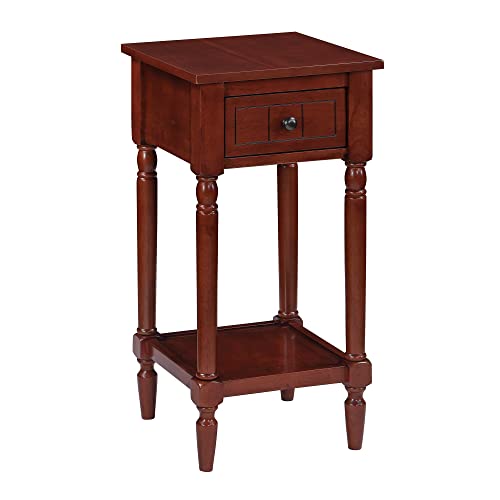
I find touch-up markers to be a quick and convenient solution for minor blemishes on wood surfaces. These markers come in various shades, often designed to closely match the natural tones of different wood types, including those with rich, warm hues like mine. Choosing a marker that matches your piece is key to achieving seamless repair.
Steps for Application
Begin by cleaning the area around the imperfection to ensure that no dust or oils interfere with the application. After the surface is dry and clean, gently shake the marker, following the manufacturer’s instructions. Apply a small amount directly to the affected area. It’s best to start with a light application; you can always add more if needed.
Once applied, use a soft, lint-free cloth to blend the marker into the surrounding wood. This step is crucial, as it helps to soften any harsh lines created by the marker. Allow it some time to dry fully before assessing the final appearance. If necessary, a second application can enhance the coverage.
Maintaining the Finish
After touching up, I recommend applying a clear wood finish or a suitable sealant to protect the area. This helps to ensure that the touch-up lasts and maintains the overall integrity of the wood. Regular upkeep will keep the surface looking pristine and delay the need for further interventions.
Sealing the Surface After Repair
Applying a protective sealant is a critical step for ensuring longevity after addressing imperfections. I recommend choosing a high-quality product specifically designed for wood surfaces; this can significantly enhance durability against daily wear and moisture.
Choosing the Right Sealant
Select a sealant that complements the existing finish. For instance, water-based polyurethane offers a clear finish without yellowing over time, ideal for preserving the original appearance. Alternatively, oils like Danish oil or teak oil penetrate the grain, enhancing the natural beauty while providing a degree of protection.
Application Process
Begin by cleaning the surface thoroughly to ensure optimal adhesion of the sealant. I prefer using a lint-free cloth to apply the sealant evenly, moving with the grain. Applying multiple thin coats rather than a single thick one ensures better absorption and coverage, allowing for adequate drying time between layers. Gently sanding between coats with fine-grit sandpaper promotes a smooth finish.
After the final coat dries, I always double-check for consistency in sheen and coverage. A well-sealed surface not only protects the wood but enhances its aesthetic appeal, providing a lasting barrier against future wear.
Preventing Future Scratches on Teak Furniture
Invest in coasters for drinks and place mats for hot dishes to shield surfaces from damage. These barriers create a protective layer against spills and heat.
Utilize soft cloths while cleaning. I prefer microfiber or cotton to avoid unintentional abrasions that can occur with rougher materials.
Regular waxing forms a thin layer of protection. I recommend applying a high-quality wax every few months to encapsulate the wood and minimize exposure to scratches and other wear.
Maintain humidity levels in the room. Excessively dry air can lead to cracking, making surfaces more susceptible to marks. A humidifier can keep conditions suitable for the wood.
Place furniture away from high traffic areas to limit contact. Strategically positioning your pieces will not only enhance your space but also reduce the likelihood of everyday knocks.
Consider using felt pads under decorative items or furniture legs. This small addition makes a significant difference, absorbing impact and preventing surface distress.
Regularly inspect for any signs of wear. Spotting potential trouble before it escalates allows for timely action that preserves the integrity of the wood.
When to Consult a Professional for Repairs
If deep gouges are present or if multiple areas are significantly damaged, seeking expert assistance is advisable. Experienced craftsmen can assess the condition accurately, ensuring that restoration is both aesthetically pleasing and structurally sound.
For intricate carvings or challenging designs, a skilled artisan may be necessary to preserve the original character while executing repairs. Their expertise can make a substantial difference in the final appearance.
If I notice warping, mold, or deterioration that extends beyond surface issues, an evaluation by a specialist is warranted. These concerns typically require specialized tools and treatments that a professional has on hand.
In some instances, attempting repairs on my own could lead to further damage. If I’m uncertain about my skills or if the damage seems extensive, consulting with someone who has the right experience can save time and resources in the long run.
Ultimately, preserving the integrity of valuable pieces can be best achieved through the knowledge of a trained expert. Their insights can inform not only the repair process but also the best practices for maintenance going forward.