
 Caleb Turner

The quickest method I found for tackling impressions left by substantial objects involves using an ice cube. Place one or two cubes directly on the affected area, allowing them to melt gradually. As water penetrates the fibers, gently fluff them with your fingers or a soft brush. This technique revitalizes the material without harsh chemicals.
An alternative approach includes steam. A steam iron, held at a distance, can work wonders. Move it over the spot lightly to introduce moisture. Afterward, a soft cloth can be used to pat the fibers back into shape. Just ensure that the fabric isn’t too hot to avoid damage.
For more stubborn depressions, setting a heavy book on the area while it dries can help set the fibers in place. Combine this with the previous techniques for optimal results. Regular maintenance of the surface can also prevent future issues, so consider rotating your larger items periodically to distribute weight evenly.
Repairing Carpet Marks Left by Furniture
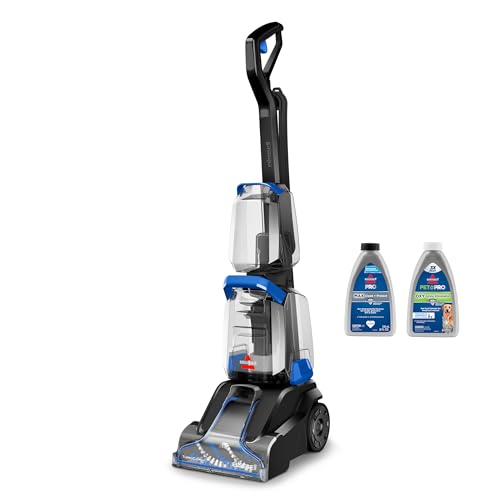
Steam penetrates the fibers effectively. Use a steam cleaner or a steam iron held a few inches above the surface. Moisture helps the fibers regain their original shape.

Steps to Follow
- Ensure the area is thoroughly vacuumed before applying steam.
- Gently infuse steam into the affected sections, moving in circular motions.
- Immediately fluff the fibers with a soft brush or cloth afterward.
Alternative Techniques
- Ice cubes can work wonders. Place them on the dents and wait for them to melt, then fluff the area.
- A damp cloth placed over the marks and ironed on a low setting can also help rejuvenate the fibers.
Patience is key. Allow the fibers to dry completely for the best results. Regularly rotating furniture helps avoid future indentations.
Assessing the Degree of Carpet Indentation
I begin by examining the depth and visibility of the marks left behind. Gently run my fingers over the affected areas to determine how pronounced the impressions are. A light touch can reveal whether the fibers have been merely compressed or permanently damaged.
If the texture feels significantly altered, I take note of the scale. Noting whether the shapes are sporadic or form a consistent pattern helps in strategizing the restoration process. For shallow impressions, a few household methods may suffice. Conversely, deeper depressions might require more intensive care.
I also consider the type of material. Natural fibers generally show more resilience, while synthetic options may exhibit more significant damage and require specialized solutions. By understanding these distinctions, I can better tailor my approach to treatment.
<p Finally, I assess the age of the flooring. Older installations may have less flexibility, making it critical to approach restoration with caution. Keeping all these factors in mind allows for an informed response to the situation, ensuring the best outcome for the restoration process.
Choosing the Right Tools for Carpet Restoration
Begin with a high-quality steam cleaner. It effectively revitalizes the fibers and lifts any surface debris. Ensure it has adjustable settings to manage various fabric types.
A reliable carpet brush is indispensable. Opt for a stiff-bristle brush to work the fibers and enhance their resilience. This will help restore the original appearance.
Consider utilizing a hairdryer or steam iron. The heat can prompt the fibers to regain their shape. Maintain a distance to prevent damage while applying heat gradually.
Acquiring a towel or cloth for moisture absorption is beneficial. Use it to blot areas after applying steam or moisture to prevent over-saturation.
For deep-seated marks, a vacuum with a beater bar attachment proves useful. It lifts stubborn impressions and re-establishes the plushness of the fabric.
Keep a set of weights nearby, such as books or bricks. Place them on the treated spots for a few hours to assist in reshaping the fibers post-treatment.
Lastly, a quality carpet protector spray can prevent future marks. It acts as a barrier against weight and dirt, preserving the cleaned area longer.
Using Steam to Lift Carpet Fibers
I recommend using steam for revitalizing flattened fibers. A handheld steamer or steam iron can work wonders. Fill the device with water and allow it to heat up. Once ready, hold the steamer a few inches above the surface and direct the steam onto the affected area.
Be cautious with the amount of moisture applied. Excessive steam can lead to damage, so keep a steady hand and avoid lingering too long in one spot. After applying steam, gently fluff the fibers using a soft-bristled brush or your fingers. This technique encourages the fibers to stand upright again.
If possible, allow the area to dry completely before placing any objects back on it. This helps ensure the fibers maintain their restored shape. For best results, repeat the steaming process for particularly stubborn areas, adjusting the distance and duration to avoid overheating.
Using steam not only aids in rejuvenation but also sanitizes the surroundings, leaving the area fresh. This approach is simple yet effective in bringing life back to the flooring fabric.
Applying Ice Cubes to Remove Indentations
Place several ice cubes directly onto the affected area and allow them to melt. This process helps to hydrate the fibers, making them more pliable.
After several hours, when the ice has completely melted, use a clean, dry cloth to blot any excess moisture from the surface.
Next, gently fluff the fibers with your fingers or a spoon to lift them back to their original position. Avoid using a heavy object that could press down further.
For best results, repeat this technique if the fibers remain flattened. Consistent application will gradually restore the texture.
Always test a small, hidden area first to ensure that this method does not affect the color or integrity of your flooring.
| Steps | Details |
|---|---|
| 1. Ice Placement | Directly on the flattened area. |
| 2. Waiting Period | Allow several hours for melting. |
| 3. Blotting | Use a clean cloth to soak up excess water. |
| 4. Fluffing | Gently lift the fibers using fingers or a spoon. |
| 5. Repeat as Needed | Perform again if necessary for more effect. |
Brushing Techniques for Carpet Fiber Recovery
I recommend using a soft-bristled brush specifically designed for textile surfaces. This helps in lifting and restoring the original texture effectively.
Follow these steps for optimal results:
- Ensure the area is clean and free of dust or debris.
- Gently brush the affected section in the direction of the fibers. This stimulates the fibers and promotes recovery.
- For tougher areas, apply slight pressure but avoid excessive force to prevent damage.
Consider using a vacuum with a brush attachment after brushing to remove any loosened debris and maintain a clean surface.
Additional Tips
Incorporating these techniques enhances effectiveness:
- Brush small sections at a time for thorough treatment.
- Spend extra time on areas that show more prominence in wear or flattening.
- Regular maintenance can prevent permanent impressions from forming.
In case the fibers still appear flat, combining brushing with steaming can yield even better recovery outcomes.
Preventing Future Carpet Indentations from Furniture
Switch to furniture coasters or pads made of sturdy materials like felt or rubber. These items distribute the weight evenly, minimizing pressure on floor coverings.
Consider arranging heavy items in a way that allows for occasional repositioning. Small shifts can alleviate long-term pressure points.
Choosing the Right Placement
Position furniture away from high-traffic areas. This reduces wear and potential indentations over time.
Regular Maintenance
Vacuum regularly to maintain fiber resilience. A weekly routine helps keep the structure intact while preventing potential damage.
When to Consult a Professional Carpet Cleaner
Consider seeking expert assistance if home methods do not yield satisfactory results after multiple attempts. Heavy markings that persist despite various DIY techniques may indicate deeper issues requiring specialized treatment.
If the fibers have been significantly compressed or damaged, it’s advisable to turn to a professional. Advanced equipment and cleaning solutions used by specialists can restore the textile’s texture and appearance more effectively than typical home remedies.
For cases with extensive stains accompanying the imprints, timing is critical. Immediate engagement with a cleaning service can prevent permanent discoloration and other complications.
Lastly, if attempting to refresh the surface gives rise to concern over potential damage, relying on trained technicians will ensure that restoration is handled safely and competently, protecting the underlying flooring as well.


