
 Caleb Turner

Begin with a mixture of white vinegar and water in equal parts. This combination acts effectively against discolorations, lifting them without damaging the fibers. Dampen a clean cloth with the solution and gently blot the affected area, avoiding vigorous rubbing that might spread the issue.
If the marks persist, apply baking soda directly onto the area after treating it with the vinegar solution. Let it sit for about 15 minutes, allowing it to absorb moisture and odors. Vacuum the residue using a clean brush attachment to ensure no remnants remain.
For oil-based issues, a touch of dish soap mixed with warm water can be utilized. Apply this solution sparingly, as too much liquid can worsen the situation. Blot with a fresh cloth until the unwanted trace is lifted, rinsing the cloth frequently.
In cases where these methods fall short, consider professional cleaning services that specialize in tackling such challenges. Maintaining a clean and stain-free interior greatly enhances the overall appeal of your space.
Eliminating Marks from Floor Covering
Begin with a blotting technique using a clean, white cloth to absorb any excess liquid. Apply gentle pressure and avoid rubbing to prevent further spreading. Once the area is soaked up, combine equal parts of white vinegar and water in a spray bottle.


Lightly mist the concoction onto the affected area. Allow it to sit for around 5-10 minutes to break down the residue. Next, use the cloth to blot the spot again. This can help lift any lingering discoloration.
Alternative Solutions
- For oil-based marks, sprinkle baking soda on the area after dampening it. Let it sit for 15 minutes before vacuuming.
- If the mark remains stubborn, consider a commercial cleaner specifically designed for your type of floor covering.
Preventive Tips
To avoid issues in the future, place coasters or protective pads under the legs of heavy objects. Regularly vacuum and clean the area to deter buildup and visibility of any potential marks.
Identify the Type of Stain
I focus on quickly determining the nature of the mark to address it effectively. First, I check whether it is water-based, oil-based, or a protein stain. For water-based issues, such as those from drinks or food, I can often apply a simple cleaning solution. Next, if the mark is greasy, it requires a degreaser or soap. Protein stains, like those from blood or bodily fluids, can be tackled with cold water and specific enzymatic cleaners.
I also consider the age of the mark. Fresh spots are usually less challenging than older ones, which may have set in. Additionally, I inspect the carpet material. Synthetic fibers often respond well to common cleaners, while natural fibers might need gentle treatment. Recognizing these details allows me to choose the most suitable approach for each unique situation.
In some cases, I identify whether the mark has a color component, like ink or dye, which often requires special care. I always test any cleaning solution in an inconspicuous area first to prevent any damage. Understanding the stain type and its characteristics leads me to the right strategy for effective home care.
Gather Required Cleaning Supplies
I recommend collecting the following items to effectively tackle the issue at hand:
Cleaning Agents
A mild detergent or a specialized carpet cleaner will be ideal for breaking down residue. Look for enzyme-based products that are effective against specific marks. White vinegar and baking soda can serve as cost-effective alternatives too.
Tools
Ensure you have a soft-bristled brush or cloth for applying the cleaning solution without damaging the fibers. A clean sponge is essential for absorbing moisture, while a vacuum cleaner will aid in removing loose particles after treatment. Protective gloves will help keep your hands safe during the process.
Gather these supplies beforehand to facilitate a smooth cleaning experience. Staying organized can significantly enhance efficiency.
Blot the Stain Immediately
I advise tackling the issue without delay. Grab a clean, dry cloth or paper towels and gently press it onto the affected area. Avoid rubbing, as this can spread the blemish further into the fibers.
Start at the outer edge and work your way inward to contain the problem. Repeat this process, using fresh cloths as necessary to absorb the liquid. It’s critical to act quickly–timing plays a significant role in the outcome.
Once saturated, twist or fold the cloth to utilize a dry section for better absorption. If needed, elevate the material with some weight to help draw out remaining moisture.
After blotting, let the area air dry. This step is vital before proceeding with any cleaning solutions to ensure the best outcome for the subsequent treatments.
Apply a Homemade Cleaning Solution
I recommend creating a simple and natural cleaning mixture to tackle the challenge effectively. Combine equal parts of white vinegar and water in a spray bottle for a versatile solution. This blend works well on various types of discolorations.
For deeper issues, consider adding a small amount of dish soap to the mixture. This enhances the cleaning action without introducing harsh chemicals that could damage the fibers.
Step-by-Step Instructions
- Shake the spray bottle to mix the ingredients thoroughly.
- Test the solution on a small, inconspicuous area first to ensure it doesn’t affect the color or texture.
- Spray the solution directly onto the affected region, ensuring it is moistened but not overly soaked.
- Use a clean cloth to gently blot the area, allowing the solution to penetrate.
- Repeat the blotting process until the mark is lifted, rinsing the cloth regularly.
Tips for Success
| Tip | Description |
|---|---|
| Act Quickly | The sooner the solution is applied, the easier it is to eradicate the mark. |
| Avoid Rubbing | Blotting prevents further embedding of the residue into fibers. |
| Use Patience | Some blemishes may require multiple applications for complete removal. |
Once satisfied with the results, allow the area to air dry completely. This will help maintain the texture and appearance of the fabric.
Use Commercial Carpet Cleaner Options
Opt for specialized cleaning products designed for various types of blemishes on textile surfaces. These solutions often contain potent ingredients to tackle tough residue and can yield remarkable results.
Follow these steps to achieve optimal outcomes:
- Choose a cleaner suitable for the specific mark. Read labels carefully to ensure compatibility with your flooring.
- Conduct a patch test in a discreet area to check for any adverse reactions.
- Apply the cleaner generously but precisely onto the affected area; use a spray or a sponge, as indicated by the product instructions.
- Let the solution sit for the recommended duration to penetrate the fibers effectively.
- Blot with a clean cloth or paper towel, absorbing as much liquid as possible. Repeat as necessary until the area is clean.
- Rinse the area lightly with water to remove any residue from the cleaner, then blot again.
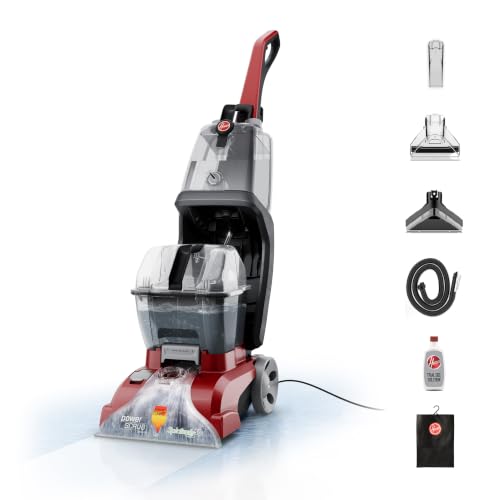
Consider equipment such as carpet extractors or steam cleaners for larger surfaces, which can boost results when combined with commercial solutions. Always follow the manufacturer’s guidelines for best practices.
Store any leftover cleaner responsibly, as it can be beneficial for future maintenance or to address unforeseen marks.
Test Cleaning Solution on a Hidden Area
I recommend testing any cleaning solution on a discreet spot before applying it broadly. Select an inconspicuous section of the flooring, perhaps under a couch or behind a furniture piece. This prevents any damage to the visible areas. Use a cotton ball or cloth to apply a small amount of the cleaning mixture, ensuring it remains damp but not saturated.
Leave the solution in place for about 10-15 minutes. Afterward, blot the area gently with a clean, dry cloth to check for discoloration or any adverse reaction. If there are no negative effects, proceed with confidence to treat the larger area. If any staining or color loss occurs, discontinue use of that mixture immediately and consider exploring alternative options.
Rinse and Dry the Affected Area
Once the cleaning solution has been applied, it’s essential to properly rinse the area. I use a clean cloth dampened with cold water to blot the treated section. This step helps remove any residual cleaning agents that may attract dirt or lead to discoloration over time. Make sure not to oversaturate the fibers; blot gently until the fabric feels moist but not wet.
Drying the Surface
After rinsing, I focus on drying the area. I take a dry cloth or paper towels and press them against the damp spot. If possible, I lay a fan nearby or open windows to enhance air circulation. Keeping the area ventilated prevents moisture buildup, which can promote mildew. Ensuring that the fabric is completely dry is vital to maintain integrity and appearance.
Prevent Future Marks on Carpet
To maintain the integrity of your flooring, place furniture pads under legs or bases. These pads act as a protective barrier, preventing direct contact and minimizing chances of discoloration.
Consider rearranging furniture regularly. This not only refreshes the room’s appearance but also ensures that pressure from heavy pieces does not lead to permanent indentations.
Utilize Area Rugs
In high-traffic zones or near seating areas, area rugs provide an additional layer of protection. Choose washable options that can easily be cleaned and replaced if necessary.
Regular Maintenance
Scheduling routine cleanings with a professional ensures any build-up or potential damage is addressed promptly. Implement DIY spot checks with appropriate cleaners to manage any emerging issues before they become more significant problems.


