Caleb Turner
To tackle the stubborn residue left by surface treatments, a simple combination of vinegar and water provides an effective solution. Mix equal parts of each in a spray bottle, then apply the mixture to a clean cloth. Gently wipe the affected area, ensuring not to saturate the wood.
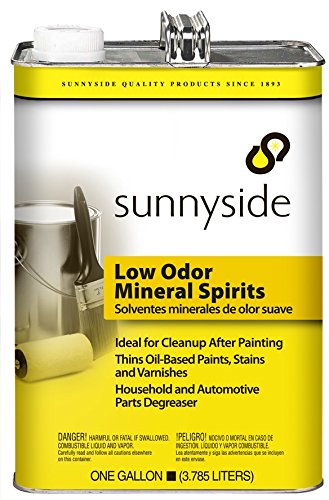
If the mixture does not yield the desired results, consider using a solvent such as mineral spirits. Dampen a cloth with the solvent and gently rub the area. This should lift any lingering sheen without damaging the finish. Always test on a small, inconspicuous area first to confirm compatibility.
After addressing the residue, a damp cloth should be used to remove any remaining cleaner. Follow this up with a dry cloth to restore the natural luster of the surface. Regular maintenance with appropriate products will help prevent future buildup and keep your wooden surfaces looking their best.
Effective Techniques for Discarding Residue on Hardwood Surfaces
Utilizing a mixture of white vinegar and water offers a straightforward solution. Combine equal parts of each in a spray bottle and lightly mist the area. Wipe with a soft, non-abrasive cloth to lift the unwanted residue.


Another viable approach involves a gentle application of mineral spirits. Dampen a cloth with this solvent and carefully rub the affected sections. Ensure that the room is well-ventilated during this process, allowing for a safe atmosphere.
If these methods do not yield satisfactory results, consider an occasional application of a soft scrub paste made from baking soda and water. Mix to a paste consistency and gently scrub the surface, ensuring minimal abrasion to maintain the finish.
For persistent stains, a professional-grade cleaner specifically formulated for enamel-like surfaces may be required. Always read the manufacturer’s instructions to confirm compatibility with your specific type of flooring.
Final touches can include a thorough rinse with clean water followed by drying with a soft towel to prevent moisture accumulation. Regular maintenance and appropriate care can ensure the longevity of the surface’s appearance.
Understanding the Impact of Furniture Polish on Wood Floors
The accumulation of shine-enhancing agents can create a residue that dulls the natural beauty of treated surfaces. These substances may attract dirt, making cleaning more challenging over time. When this build-up becomes excessive, the floor can look clouded and uneven, detracting from its aesthetic appeal.
Potential Risks
The use of commercial shine solutions can lead to slippery surfaces, increasing the risk of accidents. Some formulas contain chemicals that may react negatively with the finish, causing discoloration or damage. Prolonged exposure can wear down protective layers, leading to premature wear and tear.
Prevention Strategies
<pMaintaining a safe and attractive surface requires careful consideration of cleaning agents. Regular dusting and the use of pH-balanced cleaners can minimize the need for shine-enhancing products. Choosing natural alternatives not only protects the finish but also promotes a healthier living environment.
Identifying the Type of Polish on Your Floor
Begin by testing a small, hidden area to determine the type of coating applied. Gather these supplies: a soft cloth, rubbing alcohol, and a small amount of mineral spirits for further assessment.
Follow these steps:
- Take a clean cloth and moisten it with rubbing alcohol.
- Gently rub the concealed section of the surface.
- If the residue comes off easily, it indicates a water-based coating.
- If the spot remains unchanged, try mineral spirits on another hidden section.
- If mineral spirits dissolve the finish, you’re likely dealing with an oil-based product; if not, your finish may be wax-based.
Additionally, observe the sheen and texture:
- High gloss suggests a synthetic finish–typically polyurethane or similar.
- A matte or satin sheen indicates a possible natural oil finish.
- Sticky or greasy feel may signal a wax application.
By accurately identifying the type of treatment, I can select the right cleaning approach and maintain floor integrity effectively.
Gathering Necessary Cleaning Supplies
First, I ensure I have the following items on hand:
- Soft microfiber cloths for gentle wiping.
- Bucket for mixing cleaning solutions.
- Gentle cleaner suitable for hardwood surfaces.
- White vinegar – a natural disinfectant and cleaner.
- Warm water for diluting cleaning solutions.
- Old toothbrush or soft-bristled brush for tough spots.
- Optional: rubber gloves to protect my hands.
After assembling these tools, I am ready to tackle the accumulated residue. Precision in choosing the right products is key to avoid damaging the finish.
Testing the Cleaning Solution on a Small Area
I always begin by choosing an inconspicuous spot to check the cleaning mixture. Using a soft cloth or sponge, I apply a small amount of the solution directly onto that area. This prevents any potential damage to a larger section.
After applying, I wait for a few minutes to observe how the wood reacts. If any discoloration, warping, or unwanted residue appears, I know to adjust my approach. If the test area shows no adverse effects, I’m ready to proceed with confidence.
After testing, I gently wipe the area with a damp cloth to remove any leftover solution and check for changes. This step is crucial to ensure the wood remains undamaged and retains its natural beauty.
Always remember, patience is key; rushing could lead to mistakes that might require more extensive repairs later on.
Applying a Suitable Cleaning Solution
I recommend creating a safe yet potent mixture using everyday household items. A combination of white vinegar and warm water works effectively in breaking down unwanted residues. Mix one part vinegar with three parts water for optimal results.
An alternative option involves using commercial hardwood floor cleaners designed specifically for this type of surface. Read the label carefully to ensure it’s compatible with your specific finish.
In cases of stubborn build-up, I prefer to use a few drops of dish soap along with warm water. This mixture gently loosens grime without damaging the finish.
| Cleaning Solution | Ratio | Usage |
|---|---|---|
| Vinegar & Water | 1:3 | Effective for general clean-up |
| Commercial Cleaner | As directed | Use for specialized cleaning |
| Dish Soap & Water | A few drops per cup | Target stubborn residues |
Always ensure proper dilution before application to avoid damaging the surface. Test each solution on a small area first to confirm that it does not alter the appearance or texture of the finish.
Using Proper Techniques for Wiping the Floor
Utilizing a microfiber cloth or sponge is crucial for effectively tackling residue. These materials trap grime without scratching surfaces. Dampen the cloth with a mixture of vinegar and water if a solution was previously tested on a discreet area, ensuring it’s not overly saturated to avoid water damage. A slightly damp cloth ensures better absorption and less streaking.
Wiping Strategy
Always wipe in the direction of the grain to maintain the integrity of the surface. Use gentle, even strokes and avoid excessive pressure, allowing the cloth to do the work. For stubborn spots, I apply a bit more cleaning solution directly onto the cloth rather than the surface to control the amount used.
Drying Techniques
After cleaning, I finish by drying the area with a fresh, dry microfiber cloth to eliminate any moisture. This prevents watermarks and ensures the beauty of the surface is preserved. Pay special attention to corners and under furniture, as these are often overlooked.
Dealing with Stubborn Residue
Thoroughly wipe the surface with a microfiber cloth dampened with warm water to loosen the remnants. If that doesn’t suffice, I turn to a mixture of distilled vinegar and water in equal parts. Applying this solution can effectively break down the stubborn layer clinging to the surface. Use a soft cloth for this process, gently scrubbing in a circular motion.
Utilizing Baking Soda
If vinegar fails to yield results, I create a paste of baking soda and water. This mild abrasive can tackle tough spots without scratching the surface. After applying the paste, I let it sit for a few minutes before gently buffing it with a soft, damp cloth. It’s important to rinse the area with clean water afterward to eliminate any baking soda residue.
Seeking Professional Products
If all else fails, I consider specialized cleaners designed for this specific situation. These products are formulated to dissolve tough residues without damaging the finish. Following the manufacturer’s instructions ensures optimal results. Always check a small, inconspicuous area first to avoid unintended damage.
Restoring the Wood Floor’s Original Finish
To revive the natural sheen of your surface, start with a thorough cleaning. Use a gentle cleanser mixed with warm water to eliminate any remaining residue. A microfiber mop is ideal for this purpose. Ensure the mop is damp, not soaking wet, to avoid water damage.
Restoration Solutions
Various products are available specifically for surface restoration. Look for options that are safe for your type of finish–whether it’s polyurethane, oil, or wax-based. Apply a small amount to a clean cloth and buff the area gently, following the wood grain. This will help restore luster.
Application Techniques
When applying any restoration product, work in sections and use even pressure. Buff the surface until you achieve the desired finish, keeping in mind that a little goes a long way. For best results, follow up with a dry, soft cloth to polish the area after application.
| Type of Finish | Recommended Product |
|---|---|
| Polyurethane | Water-based wood floor restorer |
| Oil-based | Oil shampoo or cleaner |
| Waxed | Wax cream or liquid polish |
Maintain your revitalized surface by regularly sweeping and mopping with water and a suitable cleaner. Avoid harsh chemicals that might strip the finish. Additionally, consider placing rugs in high-traffic areas to prevent wear and tear.
Preventive Measures to Avoid Future Build-Up
I find that regular maintenance significantly reduces the possibility of accumulation on my surfaces. Establishing a routine for cleaning can keep my areas looking pristine.
- Choose the Right Products: I opt for pH-balanced cleaners specifically designed for hardwood surfaces, avoiding any wax-based or silicone-laden solutions.
- Limit Application Frequency: I restrict the application of any sheen-enhancers to once or twice a year to prevent layering.
- Dust Regularly: I employ a microfiber cloth or soft broom to eliminate dust and dirt before they scratch the surface, maintaining cleanliness without chemical intervention.
- Use Area Rugs: I place rugs in high-traffic zones to minimize wear and tear, which helps protect the integrity of my flooring.
- Monitor Humidity Levels: I maintain indoor humidity between 30-50% to prevent excessive moisture fluctuation, which can lead to damage of the original finish.
Choosing the Right Tools
Using appropriate cleaning implements enhances my efforts. I exclusively utilize soft cloths and mops designed for hardwood, avoiding harsh bristles that could scratch the surface.
Promptly Address Spills
I attend to any liquid spills immediately, as prompt action prevents damage and reduces potential build-up. A soft cloth gets any excess moisture swiftly.
FAQ:
What are some common methods to remove furniture polish from a wood floor?
There are several effective methods to remove furniture polish from wood floors. One popular approach is to use a mixture of water and vinegar. Combine equal parts of both in a spray bottle, lightly mist the affected area, and wipe it down with a soft cloth. Another method involves using rubbing alcohol on a clean cloth; simply rub the polish off gently. You can also consider using a commercial wax or polish remover that is safe for wood surfaces. Always remember to test any method on a small, inconspicuous area first to prevent damage.
Can vinegar damage my wood floor when removing furniture polish?
Vinegar is acidic and, if used in excessive amounts or not diluted properly, can damage the wood finish over time. However, when mixed with water in equal parts, it can be a safe cleaning option for most wood floors. Just ensure that you do not saturate the wood and always dry it quickly after cleaning. Performing a patch test in a hidden area will help confirm that this method won’t harm your floor.
How do I know if the furniture polish has built up on my wood floor?
If your wood floor appears to have a cloudy or greasy film, it may indicate a build-up of furniture polish. Additionally, the floor might feel sticky or slick to the touch. You may also notice that dust and dirt adhere more easily to the surface than usual. Simple cleaning tests, like wiping a small area with a damp cloth, can reveal if residue remains; if the cloth shows discoloration, it’s likely that buildup is present.
What should I do after removing the furniture polish from my wood floor?
After successfully removing the furniture polish, it’s recommended to clean the floor with a mild soap solution or a specific wood floor cleaner to eliminate any remaining residue. Following this, drying the floor with a clean cloth helps prevent any water damage. If the floor appears dull after cleaning, applying a wood floor safe polish or wax can help restore its shine and protect the finish. Regular maintenance, such as sweeping and occasional damp mopping, will keep your floor looking its best.
Is it necessary to hire a professional to remove furniture polish from my wood floor?
Hiring a professional isn’t always necessary for removing furniture polish, as many homeowners can handle this task with simple household products. However, if the buildup is extensive or if there’s risk of damaging the finish through improper cleaning, seeking professional help might be a wise choice. Professionals can assess the situation and offer tailored solutions, ensuring that your wood flooring remains in excellent condition without the risk of damage.
What is the best method to remove furniture polish from my wood floor?
To effectively remove furniture polish from wood floors, you can use a mixture of vinegar and water. Start by mixing one cup of white vinegar with one gallon of warm water. Dampen a soft cloth or mop in the solution and gently wipe the affected area. Avoid soaking the wood, as excess water can cause damage. Afterward, dry the area with a clean, dry cloth to prevent any moisture from lingering. If the polish residue persists, consider using a small amount of rubbing alcohol on a cloth to gently scrub the area. Always test any solution on a hidden spot of the floor first to ensure it doesn’t harm the finish.