
 Caleb Turner

To tackle those unsightly indentations caused by heavy pieces, begin with ice cubes. Place a few cubes directly onto the affected areas. Let them sit for about 10 to 15 minutes, allowing the ice to melt and saturate the fibers beneath.
Next, gently fluff the dampened sections using a fork or your fingers. This method helps restore the original shape without damaging the fibers. If stubbornness persists, consider applying a mix of white vinegar and water in equal parts, then blot the area with a clean cloth.
For tougher situations, a specialized carpet cleaner can be beneficial. Follow the manufacturer’s instructions carefully, ensuring your choice is suitable for your carpet type. Always test any solution in a hidden spot first to avoid discoloration.
Removing Indentations on Fiber Surfaces
Utilize an ice cube on the imprint; the cold will help relax the fibers. Place the ice in a plastic bag to avoid moisture. After a few minutes, gently fluff the area with a fork or your fingers.
Combine equal parts of white vinegar and water in a spray bottle. Lightly mist the affected area and press a clean cloth over it to absorb the moisture. This technique can help lift the nap and restore the original texture.

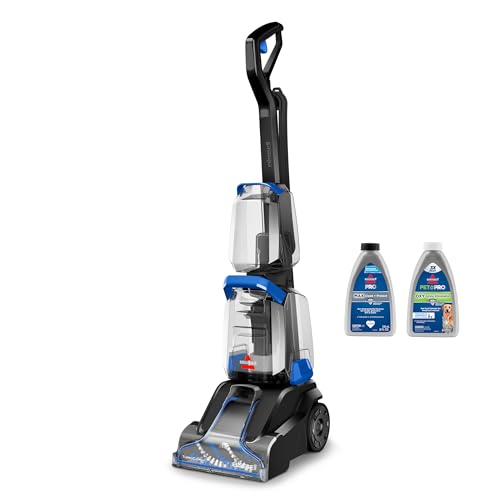
A commercial carpet cleaner can also be beneficial. Follow the instructions carefully, ensuring no excess liquid remains after application. Using a soft brush afterward may assist in revitalizing the texture.
For longer-lasting results, consider using a carpet protector. This creates a barrier against future depressions and can maintain the surface’s appearance over time.
Assessing the Type of Carpet Fiber
To tackle indentation challenges effectively, I first identify the carpet fiber type. Different materials respond uniquely to various cleaning techniques and products. For instance, wool carpets are resilient and can often be restored with steam and gentle maintenance. Conversely, synthetic fibers like nylon or polyester might react better to specific cleaning agents and techniques without risking damage.
Identifying Common Carpet Fibers
When inspecting the carpet, I look for a tag or label that specifies the fiber content. If absent, I perform a burn test by carefully taking a small sample and observing the reaction. Wool will burn slowly and smell like burnt hair, while synthetic fibers will melt and emit a plastic-like smell. This simple test can guide my cleaning strategy significantly.
Choosing the Right Approach
Once I’ve pinpointed the type of fiber, I select the appropriate cleaning solution. For natural fibers, I tend to avoid harsh chemicals, opting for gentle, eco-friendly options. With synthetic carpets, however, I can use stronger products designed for stains without concern for degradation. Tailoring the approach to the fiber type ensures I preserve the lifespan and appearance of the flooring while addressing the indentations effectively.
Testing Cleaning Methods on a Small Area
Before applying any cleaning solution to the entire surface, I always test it on a discreet section. This approach helps to gauge the reaction of the fabric and prevents potential damage. Select a spot that’s hidden, such as under a sofa or behind a chair. Apply a small amount of the cleaning product and rub it gently with a clean cloth.
Observing the Results
After a few minutes, I check for discoloration or texture change. If the area remains unaffected, the solution is likely safe to use more broadly. However, if I notice any adverse effects, I switch to a different method. It’s crucial to ensure the cloth used for testing doesn’t leave any residue.
Documenting Findings
I keep notes of each method’s outcomes in a cleaning journal. This helps to refine my approach over time and serves as a reference for similar situations in the future. Understanding the specific responses of different fibers to various products can significantly enhance my effectiveness in tackling stains.
Using Household Items for Stain Removal
To tackle the discoloration left behind, I recommend several items commonly found at home.
- Baking Soda: This white powder acts as a natural abrasive. I sprinkle it on the affected area, let it sit for 15 minutes, and then vacuum. This helps absorb stains and odors.
- Vinegar: Combine equal parts of white vinegar and water in a spray bottle. Lightly mist the stain and blot with a clean cloth. The acidity works wonders at breaking down stubborn residues.
- Dish Soap: A few drops mixed with warm water create a gentle cleaning solution. I dip a cloth in this mixture, blot the area, and rinse with a damp cloth afterward to prevent soap buildup.
- Club Soda: Pouring a little club soda directly onto the spot can help lift the stain. I dab it gently with a cloth until the mark fades.
- Hydrogen Peroxide: For tougher stains, a 3% solution applied cautiously can make a difference. I use a cotton ball to apply it directly to the stain, letting it sit for a few minutes before blotting.
Always remember to test any of these remedies on a small, inconspicuous area first to ensure there’s no adverse reaction to the fibers.
Applying Heat to Lift Carpet Pile
I recommend using a hairdryer to rejuvenate the fibers of the rug. Set the dryer to a low heat setting, keeping it about 6 inches away from the surface to avoid overheating. Move the dryer in a circular motion for a few seconds, concentrating on the areas affected by the weight.
After applying heat, take a soft cloth or a white towel and gently blot the area to help restore the pile. This method helps in redefining the nap, giving the carpet a fresher appearance.
If a steam iron is available, it can also be beneficial. Use it on the lowest steam setting while holding it at a distance. Always ensure the carpet fiber can withstand heat before proceeding with this technique.
Consider using a stiff-bristled brush afterward to fluff up the fibers for a uniform look. Be sure to check the results from different angles to ensure an even recovery. Regular maintenance with a vacuum will help keep the fibers standing tall over time.
Utilizing Commercial Carpet Cleaners
For serious challenges involving indentations and discolorations, commercial-grade carpet cleaners provide robust solutions. I recommend selecting a product specifically designed to tackle deep-set stains and restore fiber integrity.
Ensure the cleaner includes enzymes or specialized surfactants, as these break down complex residues effectively. Following the manufacturer’s instructions is crucial; mixing ratios and application methods can vary significantly between products.
Prior to full application, it’s wise to conduct a patch test in an inconspicuous area. This ensures compatibility with your flooring and prevents unwanted discoloration. Utilize a clean cloth or sponge, applying the formula and observing any immediate reactions.
When applying the cleaner, work in small sections and use a gentle scrub brush to agitate the area. This enhances the penetration of the cleaner into the fibers. Afterward, blot with a dry towel to absorb excess moisture and residue.
Depending on the severity of the situation, you might need to repeat the process for optimal results. After completion, airflow is paramount. Use fans or open windows to expedite drying and impede any musty odors from developing.
Preventing Future Furniture Marks
Using protective pads under each piece considerably reduces the risk of indentations. These pads come in various materials and thicknesses, ensuring a snug fit for any base. Regularly rotating the arrangement of your furniture can also distribute weight more evenly, minimizing wear on specific sections of the flooring.
Choosing the Right Pads
Select rounded or felt pads for heavier items, while smaller pads suffice for lighter fixtures. Each option supports stability and prevents slipping. Ensure the adhesive is strong enough to last, as losing a pad could lead to unforeseen impressions.
Regular Maintenance
Routine upkeep of the carpet can significantly aid in maintaining its appearance. Vacuuming regularly prevents dust and dirt buildup, which can exacerbate the impact of furniture. Consider steam cleaning every six months to refresh the fibers and keep them resilient.
| Tip | Description |
|---|---|
| Furniture Pads | Apply protective pads to all furniture bases. |
| Rotation | Change the layout periodically to distribute weight. |
| Regular Vacuuming | Vacuum often to prevent dirt build-up. |
| Steam Cleaning | Use steam cleaning bi-annually for fiber upkeep. |
When to Call a Professional Cleaner
If your attempts are unsuccessful after multiple cleaning strategies, considering a professional service is advisable. Specific scenarios warrant expert intervention:
Persistent Stains
- If discolouration remains even after using household remedies.
- When the texture of the fibers feels different, indicating potential damage.
Specialized Fabrics
- If your textile is delicate, such as silk or wool, as improper care can exacerbate the issue.
- When the cost of replacement is higher than professional cleaning.
Additionally, if there’s a surrounding odour or underlying moisture, professionals have equipment to address underlying issues effectively. Their expertise ensures that the treatment is tailored specifically to the type of fiber. This can prevent further damage and preserve the integrity of your flooring.


