
 Caleb Turner
Using a pair of pliers, I grip the exposed portion of the fastener firmly, applying steady pressure while gently rocking the tool back and forth. This method helps to loosen the grip of the item on the surrounding material. If I encounter resistance, a few taps with a rubber mallet on the pliers can assist in breaking the adhesion.
For those stubborn remnants, I use a flat tool, such as a putty knife, to carefully insert under the base of the fastener. By prying gently, I can lift the fastener out without damaging the surrounding wood. Applying a bit of wood glue on the area after extraction can help mend any minor splits in the surface.
If a fastener is flush with the surface, I often resort to a drill. By carefully drilling a small hole into the center of the item, I can extract it easily using a screw extractor. This technique minimizes the potential for damage, preserving the integrity of my wooden piece.


Identify the Type of Finishing Nails Used
To successfully extract the small fasteners embedded in your piece, first determine their type. Look closely at the head of each pin; these come in various styles including round, flat, or square shapes. Round heads are often used for decorative purposes, while flat heads might be employed in applications where a flush finish is desirable.
Next, check the size and length. The standard ranges from 1 inch to 2.5 inches, influencing how deeply these are driven. If they are particularly thin, known as brads, they may require less force in extraction. Assessing the head size in conjunction with the shaft thickness can also provide insights into their specific usage and how to tackle their removal.
Consider the Material Composition
The composition of the fasteners can affect how I pull them out. Galvanized versions resist rust and moisture, while stainless steel offers strength and durability. Alternatively, bronze and copper types may be chosen for aesthetic appeal. Recognizing the material can guide me in selecting suitable tools for extraction without damaging the surrounding area.
Assess the Application Method
Identifying how these fasteners were driven in can be crucial. Some may be installed with a hammer, leading to stronger binding with the wood, while others might have been applied using a pneumatic nailer, making them easier to access. Understanding the installation method can inform my approach to extraction techniques, ensuring minimal impact on the surrounding woodwork.
Gather Necessary Tools for Removal
Before beginning the task, I ensure I have the right instruments ready. This preparation helps streamline the process and prevents frustration.
Here’s a list of tools that I typically gather:
| Tool | Purpose |
|---|---|
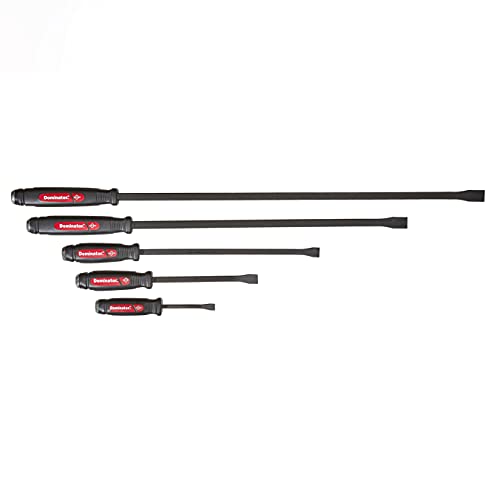
| Pry bar | Helps to gently lift and extract embedded fasteners without damaging the surface. |
| Claw hammer | Useful for pulling out stubborn pieces by leveraging the claw end. |
| Needle-nose pliers | Works well for grasping and twisting out smaller, difficult-to-reach pieces. |
| Flathead screwdriver | Provides leverage to pry up partially exposed pieces. |
| Gloves | Protect my hands during the process to avoid injuries. |
| Safety goggles | Shield my eyes from debris or accidents while working. |
Having these tools accessible allows for a smoother extraction process, minimizing risk to the material and reducing time spent on the task.
Prepare the furniture surface for nail extraction
Clear the area around the item, removing any obstacles that may obstruct your working space. Ensure proper lighting to see the details clearly, which is crucial for avoiding damage to the surface during the process.
Inspect for imperfections on the surface. Use a cloth to wipe away dust and debris; this protects against further scratches or scuff marks. If there are any finishes or coatings, check their condition. If they are brittle or peeling, consider gently sanding the area to create a smoother surface.
Assess the structural integrity of the piece. If any parts are loose or unstable, address these before attempting to extract the hardware. This ensures safety and minimizes risk of further complications.
Determine the grain direction of the wood, as extracting incorrectly can lead to splits. Keeping the grain in mind allows for a more careful approach that maintains the aesthetic quality of the item.
Finally, place a protective covering, such as a cloth or old newspaper, beneath the area you’re working on. This helps to catch any small fragments that may get dislodged and prevents additional damage to the surrounding surfaces.
Use a claw hammer to extract finishing nails
Grip the claw hammer firmly in one hand and position the curved claw around the head of the nail. Aim to maximize contact with the nail’s surface for better leverage.
Gently wiggle the hammer to ensure a secure fit before applying force. Once the claw is snug around the nail, pull back on the handle slowly to begin loosening the fastener. This helps avoid damage to surrounding wood.
For deeper-set objects, consider placing a small piece of scrap wood flat against the surface. This will help distribute the force and minimize the risk of splintering the furniture.
If the nail remains stubborn, tap the hammer’s striking end lightly to create vibrations that can help dislodge it. Always maintain control of the tool to prevent accidents.
After extracting the nails, inspect the area for any remnants. If necessary, utilize the hammer’s flat side to gently tap the remaining piece deeper into the wood or remove any splinters.
Utilize Pliers for Stubborn Fasteners
When faced with resistant fasteners, standard techniques may not suffice. I often turn to pliers, which offer the grip needed to extract these difficult components. Here are the steps I take:
- Select the right type of pliers: For larger fasteners, I prefer slip-joint or locking pliers, while needle-nose pliers work well for smaller ones.
- Grip the fastener: Position the pliers around the head of the fastener, ensuring a firm hold. If the head is too small for the pliers, I may need to use a small piece of wood or a cloth to increase friction and grip.
- Twist and pull: With a steady motion, I twist the pliers back and forth while pulling upward. This combination often loosens the component enough to remove it entirely.
- Alternate methods: If the first attempt fails, I switch to a pair of cutting pliers. By cutting off the head, I can often pull the remainder out with a pry bar or a screwdriver.
Using pliers not only provides leverage but also minimizes damage to the surrounding material. This approach is effective for various types of fasteners that resist removal. Always ensure the furniture is stable during extraction to prevent any unwanted movement.
Repairing Damage After Nail Extraction
I often begin by inspecting the area where the fasteners were located. If surface imperfections or marks are visible, I sand the affected spots gently using fine-grit sandpaper. This helps create a smoother finish.
Next, I apply wood filler to any holes or dents. Once the filler sets, I sand it down to ensure it’s flush with the surrounding area, making the repair nearly invisible.
If the furniture has a finish, I take care to match it by applying a stain or paint that blends seamlessly. With a small brush, I carefully touch up the repaired areas, feathering the edges to promote a seamless transition.
Finally, I consider applying a protective topcoat, especially if the piece is frequently used. It enhances durability and gives the surface a polished appearance, ensuring it remains in great condition.
Preventing Finishing Nail Issues in the Future
Choose the right type of fasteners for your project. Opt for shorter variants or specialized screws that minimize damage during installation and removal. Consider using adhesives or dowels in areas where structural integrity is paramount. These alternatives provide strength without the risks associated with extraction.
Before applying any hardware, assess the wood type and overall condition. Softer woods can easily split, while harder varieties may require pre-drilling. This proactive measure prevents complications later when you try to extract the hardware.
Regular Maintenance Checks
Schedule routine inspections of your pieces to identify signs of wear or loose components. Early detection allows for minor repairs rather than extensive adjustments later. Ensure any visual or physical symptoms are addressed promptly to avoid reliance on removal techniques.
Proper Installation Techniques
Use appropriate driving tools and techniques. Avoid overdriving, which can cause splitting and make future extraction problematic. Employing steady pressure rather than excessive force when installing will help maintain the integrity of the piece.
FAQ:
What are the best tools to use for removing finishing nails from furniture?
To remove finishing nails from furniture effectively, you can use several tools. A claw hammer is a classic choice, as it allows you to grip and pull out the nails easily. A pair of pliers can be helpful for gripping the nails securely, especially if they are partially embedded. In situations where the nails are particularly stubborn, a cat’s paw or pry bar can help lift the nail head above the surface. Lastly, consider using a putty knife to protect the surrounding wood while removing the nails.
Can I remove finishing nails without damaging my furniture?
Yes, it is possible to remove finishing nails without causing damage to your furniture. To minimize potential harm, use a putty knife to carefully pry the nail head up before attempting to pull it out. This will provide a cushion between the furniture and the tools you’re using. Make sure to pull the nails straight out, as twisting or bending them can crack the wood or leave noticeable holes. If you’re concerned about the appearance of the nail holes, you can fill them later with wood filler and touch up the finish.
Are there specific techniques for pulling out finishing nails from delicate wood?
When dealing with delicate wood, it’s important to proceed with caution. Start by using a small nail puller or a flathead screwdriver with a thin blade. Gently slide the tool beneath the nail head and slowly pry upward. This reduces the risk of splintering the wood. If the nail does not come out easily, try wiggling it slightly from side to side as you pull. Always keep a hand on the furniture to stabilize it and prevent pressure that could cause damage.
What should I do if the finishing nail breaks while removing it?
If the finishing nail breaks while you’re attempting to remove it, don’t panic. First, assess how much of the nail is left. If there’s enough sticking out, you may be able to use a pair of pliers to grip it and pull it out. If the nail is flush with the surface or recessed, you can carefully drill a small hole in the center of the remaining nail stub and use a screw extractor to remove it. Alternatively, you might need to wood fill the area and cover it with a matching finish if complete removal proves difficult.
Is there a way to prevent finishing nails from getting stuck in the first place?
To help prevent finishing nails from getting stuck, make sure you are using the correct size and type of nail for your furniture and the intended use. Pre-drilling a pilot hole that is slightly smaller than the nail can reduce friction and allow for easier insertion and removal. Additionally, using a lighter touch when driving the nails in, particularly with softer woods, can minimize the risk of them becoming jammed. Proper technique during installation is key to ensuring easier removal later on.
What tools do I need to remove finishing nails from furniture?
To successfully remove finishing nails from your furniture, you will need a few basic tools. A pry bar or a flathead screwdriver will help lift the nails out. Additionally, a pair of needle-nose pliers can be useful for gripping and pulling the nails. If the nails are particularly stubborn, consider having a hammer on hand to assist in driving the pry bar under the nail heads. Safety goggles are recommended to protect your eyes from any debris that may fly off during the process.


