
 Caleb Turner

I recommend using a combination of baking soda and essential oils for a natural approach. Sprinkle a generous amount of baking soda over the affected area and allow it to sit for several hours or even overnight. This simple ingredient acts as a versatile absorbent, drawing out unwanted scents effectively.
Next, mix a few drops of your preferred essential oil with water in a spray bottle. A blend of lavender or citrus options can help mask residual odors while providing a pleasant aroma. Lightly spray the upholstery, ensuring not to soak the fabric. Allow it to air dry.
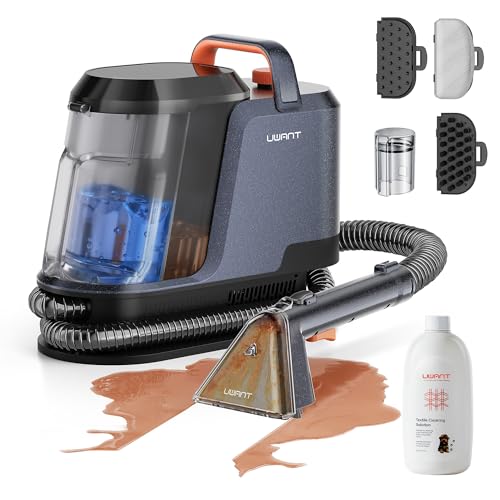
For persistent odors, a steam cleaner can be a valuable tool. Utilize a suitable attachment for fabric and follow the manufacturer’s instructions for optimal results. The heat and moisture will penetrate the fibers, helping to dislodge trapped particles and refresh your upholstery.

Eliminating Odors from Soft Surfaces
Sprinkle baking soda generously over the affected area. Let it sit for several hours or overnight to absorb unwanted odors. Vacuum thoroughly afterward to remove the powder.
Air Freshening Techniques
- Utilize a mixture of water and vinegar in a spray bottle. Lightly mist the surface without saturating it, then allow it to air dry.
- Essential oils can provide a pleasant scent. Add a few drops to a cotton ball and place it in inconspicuous spots around the seat.
Deep Cleaning Options
Consider using steam cleaning equipment designed for fabric. This will not only refresh the texture but also help lift trapped contaminants. Always test a small, hidden area first to ensure it does not damage the fabric.
For persistent residue, a professional cleaning service might be the best choice to ensure thorough treatment without risk to the material.
Identify the Source of Odor
First, pinpoint the areas that carry the strongest scent. Use your nose to identify spots on the upholstery that seem more potent. Pay attention to seams, cushions, and fabric depressions, as these areas tend to trap unpleasant odors.
Next, consider any other materials in close proximity that might contribute to the issue. Check surrounding textiles like curtains, throws, or nearby carpets, as they can harbor lingering scents. If you suspect a specific piece of furniture, isolate it for thorough inspection.
Evaluate the age and condition of the fabric. Older materials may absorb odors more deeply, complicating eradication efforts. If there are signs of significant wear or damage, it might be a factor in maintaining persistent odors.
Take note of any other contributing factors, such as ventilation in your space. Poor airflow can exacerbate retention, making the scent harder to eliminate. Open windows or adjust air circulation to improve the situation.
Finally, engage the senses further by exploring the environmental context. If you smoke inside or have had recent gatherings that included smoking, assess the regularity and proximity to your furnishings. This understanding will guide you in addressing the root cause effectively.
Gather Necessary Cleaning Supplies
Prepare the following items to tackle the odor effectively:
- Baking soda: A powerful deodorizer that absorbs unpleasant smells.
- White vinegar: Neutralizes odors and cuts through residue.
- Dish soap: Useful for breaking down grease and stains.
- Soft brush or upholstery brush: Helps lift dirt and debris from the fabric.
- Microfiber cloths: Ideal for wiping surfaces without leaving lint behind.
- Spray bottle: Essential for applying solutions evenly.
- Vacuum cleaner with upholstery attachment: Removes particles and trapped odors efficiently.
- Optional fabric refresher: Provides a final touch with a pleasant scent.
Gathering these supplies ahead of time ensures a smooth cleaning process.
Test Cleaning Solutions on Fabric
Before applying any cleaning solution to the entire surface of the material, I always conduct a patch test. Choose an inconspicuous area, such as the back or underside of the cushion, to check how the fabric reacts. This prevents potential damage or discoloration.
Steps for Testing
First, dampen a clean cloth with the cleaning solution. Apply a small amount to the hidden area and gently blot, avoiding rubbing, which may alter the fabric’s texture. Allow it to sit for a few minutes, then assess for any adverse reactions, such as fading or a change in texture.
Evaluating the Results
If there’s no negative impact after a few minutes, proceed with cleaning the larger area. If discoloration occurs, I switch to a milder solution or consider a different method entirely. This approach ensures that the integrity and appearance of the fabric remain intact.
Apply Baking Soda for Odor Absorption
I recommend sprinkling baking soda liberally over the affected areas. This natural deodorizer works effectively to soak up unpleasant smells. Allow it to sit for at least 15 minutes to several hours, depending on the severity of the odor.
Vacuum Thoroughly
After letting the baking soda perform its magic, vacuum the area thoroughly. This will not only remove baking soda but also capture particles that may contribute to the unpleasant scent.
Repeat if Necessary
If the odor persists, repeat the process a few times. For stubborn smells, consider mixing baking soda with essential oils or vinegar. This combination can enhance the absorption and neutralization properties.
Use Vinegar Solution for Deep Cleaning
I combine equal parts of distilled white vinegar and water in a spray bottle for an effective cleaning solution. This mixture not only helps to eliminate lingering odors but also removes grime. Make sure to shake the bottle gently prior to application.
Application Process
I lightly mist the solution onto the fabric, ensuring not to saturate it. Using a soft brush, I scrub the material gently in circular motions, focusing on areas that seem particularly stained or odorous. After cleaning, I take a clean, damp cloth to wipe away any excess vinegar. This step is crucial for preventing a lingering vinegar scent.
Drying the Area
To facilitate drying, I open windows or use fans. Ensuring proper airflow helps in dissipating any residual moisture. I avoid using heat sources, as they can set any remaining odors into the fabric.
Consider Professional Cleaning Services
Engaging specialists can yield excellent outcomes when tackling persistent odors embedded in textiles. Their expertise allows for a thorough assessment of the material and the implementation of advanced cleaning techniques that are often more effective than standard household methods.
These services typically use industrial-grade equipment, such as steam cleaners and specialized solutions, that penetrate deep into fabric fibers, eliminating stubborn residues. Many professionals also offer eco-friendly options, ensuring a safer environment while maintaining upholstery integrity.
Researching local cleaning companies can provide insights into their credentials, customer reviews, and success rates. Requesting multiple quotes ensures competitive pricing and helps identify a reputable service. Verify that they carry appropriate insurance and certifications to safeguard your investment.
Consider scheduling a consultation to discuss your specific needs. Ensuring the selected experts can customize their approach based on the condition of your textiles will enhance the likelihood of achieving satisfactory results.
| Service | Description | Benefits |
|---|---|---|
| Steam Cleaning | High-temperature vapor loosens and extracts deeply ingrained dirt and odors. | Effective sanitation, environmentally safe. |
| Stain Treatment | Specific solutions target stains that regular cleaning cannot remove. | Restores appearance, prolongs fabric life. |
| Deodorization | Specialized products neutralize lingering scents without harsh chemicals. | Freshens surfaces, safe for pets and children. |
Ultimately, opting for professional assistance can save time and energy while delivering impactful results that significantly improve the ambiance of your space.
Maintain Freshness with Preventive Measures
I focus on preventing unwanted odors by applying simple habits and techniques. Regular vacuuming is essential, as it helps lift particles that can contribute to lingering scents. I recommend investing in a handheld vacuum with upholstery attachments for thorough cleaning.
Incorporate fabric protectants into your routine. These products create a barrier against stains and odors. I apply a fabric refresher spray periodically to maintain a pleasant scent on soft surfaces.
- Designate smoking areas away from living spaces.
- Utilize air purifiers equipped with activated carbon filters to capture impurities.
- Keep windows open for ventilation when possible.
- Add indoor plants known for their air-purifying qualities.
I also suggest using coasters and trays for beverages to minimize potential spills that might cause unwanted scents. Investing in seasonal deep cleaning ensures a continuous fresh atmosphere in my home.


