Caleb Turner
First, grab a plastic scraper or a credit card to gently lift the edges of the sticky substance. Avoid using metal tools as they might scratch your surfaces. Apply consistent, gentle pressure to avoid damage.
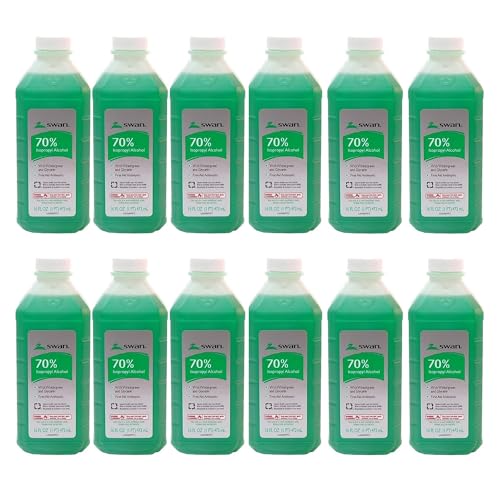
Next, use an adhesive remover or rubbing alcohol applied to a soft cloth. Dampen the cloth and dab it onto the residue, allowing it to sit for a few minutes to break down the stickiness. This method helps in loosening the bond without harming the finish of your items.
After letting the remover sit, return to the scraper and continue to work at the adhesive. Wipe away any remnants with a clean cloth. If any residue remains, repeat the process until your surfaces are free of any sticky reminders.
Finally, clean the area with a mild soap solution to remove any traces of the cleaner you’ve used. This will also help restore shine and ensure no chemical residue lingers behind.


Removing Adhesive from Surfaces
I recommend using a hairdryer to soften the glue. Set it on a low heat setting, and gently warm the area until the adhesive becomes pliable. This process usually takes a few minutes, and it’s efficient for many surfaces.
After heating, try to peel off the residue slowly. If it resists, consider applying a small amount of rubbing alcohol or vinegar to a cloth and dabbing it onto the stubborn spots. Allow it to sit for a minute before attempting to wipe it away.
For any remaining bits, a plastic scraper is perfect. Gently slide it under the adhesive without damaging the surface. Be patient and avoid excessive force to prevent scratches.
If the situation is persistent, a commercial adhesive remover can be effective. Follow the instructions carefully, applying it to a hidden area first to ensure compatibility with your material.
Finally, clean the surface thoroughly with soap and water to remove any chemicals used during the process. This will restore the item’s original condition and ensure it’s safe for daily use.
Understanding Different Types of Cat Tape
The most common adhesive materials that felines encounter can vary in texture and adhesion strength. There are two primary kinds: double-sided and single-sided varieties.
Double-sided options are typically more aggressive in their stickiness. Designed to adhere firmly to surfaces, they often consist of a strong adhesive that prevents peeling. This type is beneficial for deterring scratching, yet can be challenging to deal with during cleanup.
Single-sided alternatives, on the other hand, are easier to handle post-application. They provide a less intense bond and can be lifted off surfaces with minimal effort. These variants target specific areas and offer flexibility in usage.
In addition, some products come with a specialized texture meant to enhance their efficacy against pets. Smooth surfaces may not deter as effectively as rough finishes, which better engage the cat’s claws, making them preferred choices for some pet owners.
Understanding these differences can guide choices in selecting the right type, depending on individual needs and the intended effect on the environment.
Gathering Necessary Tools for Removal
To tackle the task effectively, I ensure I have the following items ready:
- Plastic Scraper: A plastic or silicone scraper minimizes damage to surfaces.
- Heat Source: A hairdryer or heat gun helps soften the adhesive for easier lifting.
- Isopropyl Alcohol: This solvent aids in breaking down sticky residues.
- Cotton Balls or Cloths: Soft materials for applying and wiping away solvents.
- Adhesive Remover: Commercial products designed for removing stubborn residues.
- Protective Gloves: To shield my hands from any harsh chemicals or adhesives.
- Plastic Bags: For disposing of removed materials without creating a mess.
Optional Items
Occasionally, I find these tools helpful:
- Vacuum Cleaner: For cleaning up any loose bits after the process.
- Furniture Polish: To restore shine after the work is completed.
Having everything on hand allows me to proceed smoothly and effectively. Preparation is key for a successful extraction of unwanted materials.
Assessing Your Furniture Material
Begin by identifying the type of surface involved. For wood, examine the finish; some varnishes can react negatively to solvents. If the piece is upholstered, check for fabric content labels. Natural fibers like cotton or linen require gentler treatments than synthetic blends.
Wood Surfaces
Solid wood finishes can be treated with oil or vinegar solutions, while layered or veneer pieces may be more sensitive. Test any solution on an inconspicuous area first to avoid damage. If the surface is painted, ensure the paint is resistant to solvents to prevent peeling.
Upholstery
Natural fabrics may absorb solvents, leading to stains or discoloration. Opt for a gentle adhesive remover or a soapy water solution. For synthetics, always verify compatibility with the chosen method. Using a soft brush, work in circular motions, being careful not to damage the fibers.
Testing Adhesive Removers on a Hidden Area
I recommend applying any adhesive solvent on a concealed section of the item before proceeding. This approach ensures material compatibility and prevents potential damage. Choose a spot that is less visible, like the back or underside, and clean it thoroughly. Once dry, place a small amount of the chosen remover on a cotton ball or soft cloth.
<p Gently dab the hidden area with the solvent, monitoring for any adverse reactions such as discoloration, warping, or change in texture. Let it sit for a few minutes to assess the efficacy and safety. If the material shows no negative effects, it indicates that the solvent is likely safe to use on the more visible sections.
If any unwanted changes occur, consider selecting an alternative product. Always prioritize a gentle approach, using mild solvents first, as harsher chemicals can damage certain finishes. Additionally, follow the manufacturer’s instructions on the adhesive remover to ensure correct usage.
Applying Heat to Loosen the Adhesive
Utilizing a hairdryer is a practical method for softening the adhesive. Set the device on a low or medium heat setting and direct the warm air onto the stubborn residue for approximately 30 seconds to a minute. Maintain a distance of at least 6 inches to avoid damaging the surface beneath.
As the adhesive heats up, it will become pliable and easier to manage. Gently try to peel away the remnants with a plastic scraper or your fingers. If resistance persists, apply more heat until the adhesive loosens further.
In the absence of a hairdryer, a warm, damp cloth can be utilized. Soak the cloth in hot water and wring it out before placing it over the sticky area for a few minutes. The moisture and warmth will aid in breaking down the tackiness. Once prepared, use a scraper to lift the softened residue off the surface.
Always evaluate the material of your object, particularly when exposing it to heat. Surfaces like wood or plastic may react differently to elevated temperatures. Testing in a discreet area first may offer peace of mind before proceeding with the entire surface.
Using Oil or Alcohol-Based Solutions
For effective adhesive dissolution, I recommend applying oil or alcohol-based solutions. Rubbing alcohol or vinegar can efficiently tackle that stubborn residue without damaging the underlying surface.
Application Techniques
1. Soak a Cloth: Dampen a clean cloth with either rubbing alcohol or an oil-based product like olive oil. Ensure it’s not dripping wet to avoid oversaturation.
2. Press and Hold: Place the cloth over the adhesive, applying gentle pressure. Let it sit for several minutes to allow the solution to penetrate.
3. Wipe Away: After the waiting period, gently wipe the area with the cloth. For oil, you might need a second clean cloth to remove excess residue.
Benefits of Solutions
| Solution | Pros | Cons |
|---|---|---|
| Rubbing Alcohol | Quick-drying, effective on many surfaces | Strong odor, may require ventilation |
| Olive Oil | Gentle on finishes, natural | Can leave a greasy residue, needs thorough cleaning |
| Vinegar | Non-toxic, good for light adhesive | Weaker on strong bonds, may need more time |
For my particular issue, the oil option worked best for sensitive surfaces, and I found that alcohol effectively dealt with tougher spots while ensuring my furniture remained unscathed.
Scraping Off Residue Carefully
Using a plastic scraper is key for effectively getting rid of adhesive residue without damaging the surface. I recommend holding the scraper at a slight angle against the surface to avoid applying too much pressure. Start from the edge of the adhesive and gently work your way inward. This technique prevents scratching and helps lift off more material.
Choosing the Right Scraper
Opt for a plastic scraper instead of metal options to minimize surface damage. In my experience, even tools designed for painting can work well, as they typically have a smooth edge. Avoid any sharp or abrasive items that could cause scratches.
Applying Soft Pressure
Once I have the scraper ready, I apply minimal pressure initially. Gradually increase it as needed, ensuring I don’t create indentations on the surface. If the residue resists, I find it helpful to alternate between scraping and using an adhesive remover, allowing the product to permeate before trying again.
Cleaning and Restoring the Surface Post-Removal
First, gather a microfiber cloth and a suitable cleaner based on the material type of your item. For wood, a gentle soap solution is often effective; for fabrics, a fabric-safe cleaner or upholstery spray should suffice.
Steps for Cleaning
- Lightly dampen the cloth with your chosen cleaner.
- Gently wipe the affected area in a circular motion, ensuring not to saturate the surface.
- For stubborn spots, apply a small amount of the cleaner directly onto the residue and let it sit for a few minutes before wiping again.
After cleaning, assess if further treatment is required for any scratches or discoloration left behind.
Restoration Techniques
- If there are scratches on wooden surfaces, consider using a wood polish or scratch repair pen that matches the finish.
- For upholstered items, spot cleaning with a fabric-safe solution may help in blending any faded spots.
- For leather, a specialized leather conditioner can restore suppleness and color.
Finally, allow the surfaces to fully dry before using the items again. This ensures any cleaners or conditioners effectively bond with the material, providing a refreshed appearance.