Caleb Turner
I recommend vacuuming upholstered surfaces with a vacuum cleaner equipped with a HEPA filter during your cleaning routine. This method captures small particles, ensuring that allergens are significantly reduced. Pay attention to seams and crevices, as allergens often accumulate in these areas.
Using a damp microfiber cloth can be incredibly beneficial for wiping down surfaces. This prevents particles from becoming airborne, making it easier to manage allergens effectively. Frequent dusting with this technique helps maintain a cleaner living space.


Consider incorporating an air purifier with a HEPA filter in your environment. Positioning it in areas where you spend the most time facilitates the continuous removal of airborne particles, contributing to a healthier atmosphere.
Regularly washing removable fabric covers or throws in hot water can greatly reduce allergen presence. Ensure you follow the care instructions to preserve the quality of the items while benefiting from routine cleaning.
Lastly, consider using specialized sprays designed for reducing allergens. These products can provide an additional layer of protection by neutralizing particles on the fabric surfaces. Always check the ingredient list for safety around pets.
Cat Hair and Allergens Clearance Techniques
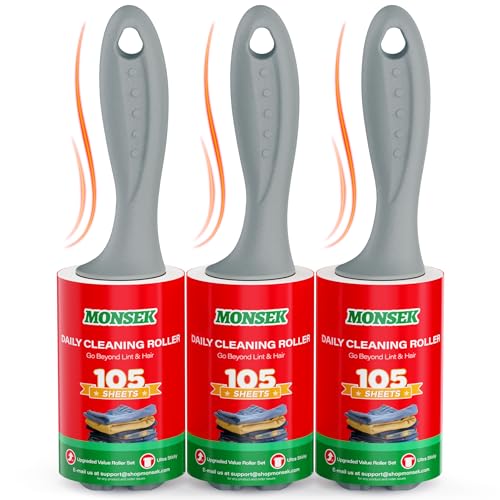
Utilize a lint roller or sticky tape to lift allergens effectively. Glide it over surfaces like sofas and chairs, ensuring you cover the entire area for optimal results.
For a deeper clean, equip yourself with a vacuum cleaner that has a HEPA filter. Vacuum upholstered items regularly, concentrating on seams and crevices where debris tends to gather.
Cleaning Solutions
Prepare a mild cleaning solution with a mix of water and dish soap. Dampen a microfiber cloth with this mixture, then gently wipe down the surfaces to capture lingering particles.
Prevention Methods
- Use pet-friendly upholstery sprays that repel allergens and minimize their accumulation.
- Cover your seating with washable throws or slipcovers to ease cleaning.
- Regularly groom your pet to reduce the amount of loose fur and allergens in your home.
Identifying Areas with Cat Dander
First, focus on common spots where allergens typically accumulate, such as:
- Soft surfaces: Check upholstered chairs, sofas, and cushions where fur tends to cling.
- Textiles: Inspect curtains, drapes, and bed linens since these materials attract microscopic particles.
- Cracks and corners: Examine hidden areas like baseboards and behind furniture where debris may gather unnoticed.
- Electronics: Look around and inside electronic devices like TVs and computers, as static can attract and hold particles.
Utilize a flashlight to reveal finer details, highlighting troublesome spots. After identifying these areas, consider conducting regular check-ups to maintain cleanliness.
Moreover, consider using a damp cloth or microfiber towel for better collection efficiency. Vacuuming with a HEPA-filtered vacuum can help capture additional particles in high-traffic areas.
Finally, employ air purification systems designed specifically for allergens to enhance the overall air quality, assisting in minimizing exposure in frequently occupied spaces.
Choosing the Right Cleaning Supplies
For tackling allergens, I rely on a few specific products to achieve optimal results. Begin with a high-efficiency particulate air (HEPA) vacuum, which excels at capturing tiny particles. Look for models designed specifically for pet hair; they often come with specialized attachments that target stubborn debris in upholstery.
I also recommend using a microfiber cloth for dusting surfaces. These cloths trap particles effectively, preventing them from scattering back into the air. For added efficiency, consider dampening the cloth slightly before use, which enhances its ability to capture allergens.
Enzymatic cleaners can be particularly helpful; they break down proteins found in hair and skin. Ensure the brand you select explicitly states its suitability for your upholstery material to avoid damage. Test the cleaner on a small, inconspicuous area first.
Additionally, utilizing an air purifier with a HEPA filter will assist in reducing the overall allergen levels in your space. Placing it in commonly used areas enhances its effectiveness.
Finally, always keep a good supply of disposable gloves and masks handy during cleaning sessions. These items help minimize direct contact with allergens and reduce inhalation while I work on deep cleaning.
Vacuuming Techniques for Upholstered Furniture
I recommend using a vacuum cleaner with a HEPA filter to capture allergens effectively. This type of filter traps small particles, making it ideal for those sensitive to pet debris. Opt for a vacuum with upholstery attachments that can reach crevices and seams, where particles tend to accumulate.
Begin with a low suction setting to avoid damaging the fabric. Glide the nozzle lightly over the surface while slowly moving it in different directions. This technique disrupts the embedded particles, allowing them to be sucked away. For textured fabrics, consider making multiple passes in varying directions to ensure comprehensive cleaning.
Pay special attention to areas like cushions, armrests, and the sides of furniture. These sections often hold more allergens due to frequent contact. Detachable cushions can be vacuumed separately, allowing deeper access to the underlying fabric.
Utilizing a brush nozzle attachment can be beneficial as well. It agitates the fabric, loosening debris while assisting in the suction process. Always remember to check for any loose threads or damage to the upholstery before vacuuming, as this can worsen with excessive pressure.
I suggest dividing your cleaning session into sections. Focus on one piece at a time. This ensures thoroughness and prevents missing spots. After vacuuming, consider following up with a lint roller or sticky tape on especially troublesome areas to pick up any remaining particles. Regular vacuuming every week can significantly maintain a clean and comfortable environment.
Utilizing Lint Rollers for Quick Cleanups
For swift touch-ups, I find lint rollers invaluable. They efficiently lift loose fur and particles from various surfaces without the hassle of a vacuum. To employ this tool effectively, I follow a few simple steps.
Technique and Tips
Begin with a fresh roller sheet to maximize adhesion. Gently press the roller against the upholstery, applying enough pressure to ensure contact but avoiding excessive force that might compress the fabric. Roll in multiple directions for thorough coverage, allowing the adhesive to capture hidden debris.
Storage and Accessibility
Keeping a lint roller in easily accessible areas, such as the living room or car, streamlines the process. I’ve found that a designated spot encourages regular cleaning, helping maintain a fresher environment.
| Advantages of Lint Rollers | Limitations |
|---|---|
| Quick and easy to use | Requires replacement sheets |
| Portable and convenient | May not capture embedded particles |
| Safe for most fabrics | Single-use nature may be wasteful |
Incorporating lint rollers into my cleaning routine allows for quick and effective maintenance, supporting a cleaner living space and ensuring that allergens are kept to a minimum.
Washing Fabric Covers and Cushions
I opt for a routine where I frequently wash fabric coverings and cushions. This minimizes allergens significantly. First, check the care labels for any specific washing instructions. Most removable covers can be tossed in the washing machine.
I use a gentle cycle with cold water and a mild detergent to prevent damage while maintaining cleanliness. Adding a cup of white vinegar can help neutralize odors effectively. After the wash, I air-dry the covers to avoid shrinkage, ensuring they retain their shape.
If the cushions are non-removable, I spot clean them. For this, I apply a mixture of mild soap and water using a cloth. After cleaning, I ensure the fabric dries completely to avoid mildew growth.
I also pay attention to stubborn stains, treating them promptly before washing. For extra care, consider utilizing a fabric refresher spray post-cleaning to enhance freshness. Regularly scheduled washes contribute to a healthier environment in my living space.
Implementing Regular Furniture Maintenance Routines
Establishing a consistent cleaning schedule significantly reduces allergens on surfaces. I recommend dedicating specific days each week for thorough maintenance tasks. For example, set aside Saturdays for deep cleaning sessions.
Incorporating an efficient lint roller into weekly routines allows for quick collection of loose hairs on cushions and throws. Use it to instantly tackle visible build-up when guests are on their way.
Ensure to dust surfaces with a microfiber cloth before vacuuming. This technique captures microscopic particles that might otherwise linger after a vacuuming session.
During monthly cleanings, evaluate upholstered items for any fabric wear that may harbor debris. Consider steam cleaning or hiring professionals for stubborn stains and deep accumulations.
Utilize slipcovers on chairs and sofas, making it simple to wash them at regular intervals. I find this practice particularly efficient for high-traffic seating areas.
Train pets to stay off certain pieces of furniture using deterrent methods. This helps maintain cleanliness and creates more controlled environments for easy upkeep.
Track your cleaning routines to establish a habit. Documenting progress encourages continued attention to detail and allows for adjustments in your maintenance approach as necessary.
Preventing Future Dander Build-Up
Implement a regular grooming schedule for your feline companion. Brushing their coat at least twice a week will significantly reduce the amount of loose hairs and allergens that accumulate in your living space. Consider using a vacuum cleaner specifically designed for pet hair, which can effectively capture microscopic particles that standard vacuums might miss.
Air Quality Management
Invest in high-efficiency particulate air (HEPA) air purifiers. These devices are capable of filtering out particles, including allergens, from the air, improving overall air quality. Place them in rooms where your pet spends the most time to maximize their effectiveness.
Implementing Barriers
Designate pet-free zones within your home. Consider keeping bedrooms and designated seating areas off-limits to your pet, which helps minimize exposure and accumulation. This simple step can make a noticeable difference in allergen levels.
Cover fabric items, such as sofas and chairs, with easy-to-wash throws. This protective layer can be removed and laundered frequently, greatly reducing the risk of buildup in the first place. Regularly clean high-touch surfaces to mitigate accumulation.
Establish a cleaning schedule that includes weekly deep cleaning sessions. Keeping on top of a cleaning routine prevents the buildup of allergens and ensures your living space remains comfortable for all occupants.