
 Caleb Turner
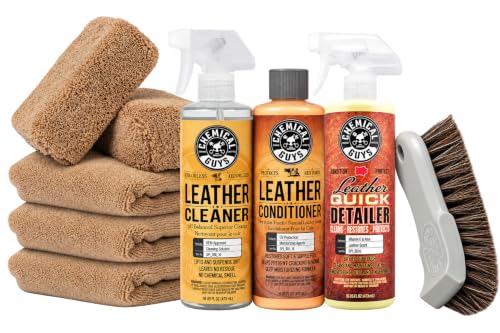
I consistently find that applying a mixture of olive oil and vinegar in equal parts can work wonders on marks left behind. Gently rub the solution into the affected area using a soft cloth, ensuring that you follow the grain of the material for optimal results.
As a second step, I recommend using a conditioner specifically designed for leather after the initial treatment. This not only helps to restore moisture but also adds a protective layer, combating future incidents. After applying, let it sit for several hours to fully absorb.


For deeper blemishes, I’ve had success with a leather repair kit. These kits often include color-matching compounds that blend seamlessly with the surface. With a bit of patience and a steady hand, fine detailing transforms damage into a nearly invisible fix.
Effective Solutions for Leather Restoration
Immediately attend to the affected area by lightly rubbing the surface with a clean, dry cloth to remove any dirt or debris. Choose a high-quality leather conditioner that matches the color of the item. Apply a small amount to a soft cloth and gently work it into the damaged area in circular motions. This not only helps in blending the imperfection but also nourishes the material.
Wax Treatment for Deeper Marks
If the issue persists, utilize a beeswax-based product. Heat the wax slightly to allow easier application. Using a cloth, apply the warmed wax directly onto the troublesome areas, smoothing it out evenly. Let it sit for several hours or overnight to penetrate, then buff it lightly with a clean cloth to restore sheen.
Repurposing Techniques
In cases of severe imperfections, consider using a leather repair kit. Follow the instructions carefully to apply the color-matching compound. After it dries, gently sand the area with fine-grit sandpaper and finish with a conditioner to maintain moisture balance. This method rejuvenates the overall appearance effectively.
Assess the Damage Before Treatment
Begin by examining the severity of the marks. Identify whether they are superficial, meaning they only affect the top layer, or deeper, penetrating the surface. This distinction will guide the approach to restoration.
Types of Damage
| Description | Recommended Action |
|---|---|
| Superficial Marks | Light cleaning and conditioning may suffice. |
| Moderate Damage | Utilize specialized repair kits or consult a professional. |
| Severe Damage | Consider replacement of the affected area or piece. |
Inspect the surrounding area for any additional wear or discoloration that could suggest more extensive issues. Take note of the color and texture of the material to match the restorative products accordingly.
Tools for Assessment
A good light source is essential for accurate evaluation. Use a magnifying glass if necessary to detect subtle imperfections. Document the findings with photographs for reference during the repair process.
Gather Necessary Supplies for Repair
Before embarking on the restoration process, ensure you have all needed items on hand. You will require a microfiber cloth for gentle cleaning and application. A leather cleaner specific to your type of upholstery is vital for proper surface care.
Additional Items
Consider acquiring a leather conditioner to replenish moisture and elasticity after treatment. For deeper repairs, a leather filler or patching agent may be helpful. Having a color-matching dye can assist in blending any repairs seamlessly with the existing color.
Tools for Application
Keep a small spatula or a similar tool for applying filler. Cotton swabs or small brushes can be beneficial for detailed work. A soft towel will help buff the area post-treatment, restoring surface shine and texture.
Clean the Affected Area Properly
Begin with a soft, dry cloth to remove any dust and debris surrounding the damaged section. Use a gentle touch to avoid causing further harm. If necessary, dampen the cloth slightly with water, ensuring it is not soaking wet. Wipe the area gently, following the grain of the material, to maintain texture.
For deeper cleaning, consider using a specialized leather cleaner. Apply a small amount to a fresh cloth, avoiding direct contact with the surface. Test the cleaner on a hidden area first to confirm it does not alter the color or finish. After application, gently buff the surface to lift dirt without aggravating the impaired zone.
Ensure the area is completely dry before proceeding with any repair methods. This can take some time, so patience is key. I prefer to allow at least an hour before examining how the surface responds.
Apply Leather Conditioner to Restore Texture
After addressing any visible imperfections, I apply a quality leather conditioner to the surface. This product rejuvenates the material, restoring its natural oils and enhancing flexibility. Following the manufacturer’s directions is crucial for optimal results.
Steps for Application
I start by applying a small amount of conditioner onto a soft, lint-free cloth. Gently massage it into the surface using circular motions. This technique ensures even distribution while allowing the conditioner to penetrate the fibers effectively.
Frequency of Use
To maintain the refreshed appearance, I incorporate conditioning into my regular cleaning routine. Typically, every 3 to 6 months is sufficient, but frequent use may be necessary for pieces exposed to high wear or direct sunlight.
After conditioning, I let the treated area dry naturally, avoiding direct heat sources. This step helps preserve the texture and integrity of the material.
Use a Leather Repair Kit for Deeper Scratches
Utilizing a leather repair kit can effectively address significant damage. Follow these steps for optimal results:
Steps to Apply the Repair Kit
- Choose a kit that matches the color and texture of your item.
- Clean the area thoroughly, ensuring no dust or debris are present.
- Prepare the repair compound according to the manufacturer’s instructions.
- Using a spatula or a similar tool, apply the compound into the damaged area. Ensure it’s filled adequately.
- Allow the compound to dry completely. This might take several hours.
- Once dry, lightly sand the surface to achieve a smooth finish.
- Apply a color matching agent if needed to blend the repair seamlessly.
- Finish with a conditioner to restore suppleness and prevent cracking.
Tips for Best Results
- Perform the repair in a well-ventilated area to avoid inhaling fumes.
- Test the repair compound on a hidden area before applying it to visible spots.
- Follow the instructions regarding drying time carefully to achieve a durable fix.
This approach can dramatically improve the appearance of your item, making it look well-maintained and stylish again.
Test Any Products on a Hidden Area First
I always recommend trying any cleaning or restoration solution on an inconspicuous spot before applying it to a prominent area. This simple step helps to ensure that the formula won’t cause discoloration or damage.
Select a hidden section, like the underside of a cushion or back corner, and apply a small amount of the product. Wait for a few minutes to see if any adverse reactions occur. If there’s no change, proceed with confidence to treat the visible regions.
This precaution can save time and prevent potential mishaps. Different materials may respond uniquely to various treatments, so checking compatibility is wise. By testing, I’ll avoid irreversible mistakes that can worsen the appearance of my items.
Establish a Routine for Ongoing Leather Care
I prioritize a consistent maintenance schedule for preserving my upholstery’s quality and extending its lifespan. Regular attention prevents minor issues from escalating into significant damage.
Here’s a simple plan I follow:
- Schedule a monthly inspection to check for signs of wear.
- Clean surfaces with a damp cloth to remove dust and debris.
- Apply a conditioner every three to six months to maintain moisture levels.
- Assess any treatment methods used previously and their effects on the material.
For optimal results, I make sure to:
- Use products specifically formulated for the type of material I have.
- Keep the environment controlled, avoiding excessive humidity or direct sunlight.
- Rotate cushions and seating areas regularly to distribute wear evenly.
This routine not only enhances the appearance of the upholstery but also protects against unexpected harm, ensuring that every piece of furniture retains its character and appeal over time.
FAQ:
What are some common methods to remove cat scratches from leather furniture?
There are several effective methods to tackle cat scratches on leather furniture. One common approach is to use a leather conditioner, which can help to reduce the appearance of scratches by moisturizing the leather. Additionally, you can try a mixture of olive oil and vinegar, applying it gently to the scratched area to help minimize the damage. For deeper scratches, a specialized leather repair kit may be necessary, which typically contains color-matching compounds that can fill in and disguise the scratches.
Can I use household items to fix scratches on my leather sofa?
Yes, many household items can help minimize the appearance of scratches on leather. Aside from the olive oil and vinegar mixture mentioned earlier, you can also use a soft cloth and a bit of rubbing alcohol to gently rub the scratched area. This can help lift dirt and oils from the scratch, making it less noticeable. However, always test any method in an inconspicuous area first to ensure it doesn’t further damage the leather.
How do I prevent my cat from scratching my leather furniture in the future?
To deter your cat from scratching your leather furniture, consider providing alternative scratching surfaces like scratching posts or pads made from different materials. Placing these items near the furniture can help redirect their scratching behavior. You can also use double-sided tape on the furniture in the areas they tend to scratch, as cats usually dislike the sticky texture. Spraying furniture with cat-safe deterrent sprays may also help to keep them away.
Is it safe to use a leather repair kit on my furniture?
Yes, leather repair kits are generally safe for use on most types of leather furniture. These kits include repair compounds that are specifically formulated to match the color and texture of your leather. Before using the kit, carefully read the instructions and do a spot test in a concealed area to ensure compatibility. If you’re uncertain, it’s advisable to consult with a professional or follow recommendations from the manufacturer of your furniture.
Are there any professional services for leather furniture repair?
Yes, there are various professional services that specialize in leather furniture repair. These services can offer a range of solutions, from superficial scratch removal to more extensive repairs, such as re-dyeing or patching. It can be beneficial to seek professional help, especially if the scratches are deep or if you’re concerned about damaging the leather further. Check reviews and ask for recommendations to find a reputable service in your area.
What are some effective methods to remove cat scratches from leather furniture?
There are several methods that can help you remove or minimize cat scratches on leather furniture. One common method involves using a leather conditioner, which can help to soften the leather and make scratches less noticeable. Another option is to use a mixture of olive oil and vinegar: apply it gently with a soft cloth to the scratched area and buff it lightly. You can also consider using a leather repair kit, which includes patches and fillers specifically designed for fixing leather damage. Always remember to test any solution on a hidden area first to ensure it doesn’t cause discoloration.


