
 Caleb Turner
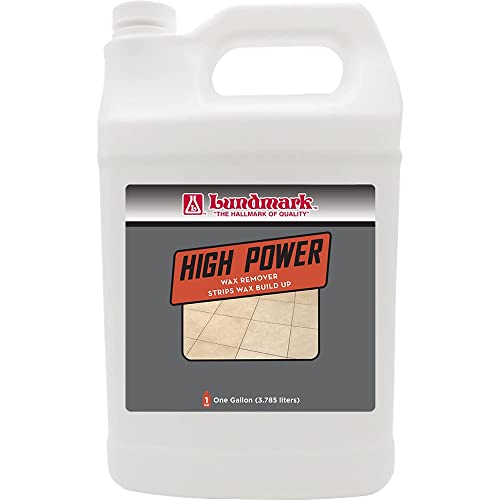
To effectively tackle the wax deposits on your wooden surfaces, I recommend using a mixture of mineral spirits and vinegar. Combine equal parts of both in a container, then apply with a soft cloth. Gently rub the area in circular motions to lift the wax without damaging the finish.
Another method involves utilizing a heat source. A hairdryer set on low can be effective; direct the warm air onto the waxed area until it softens. Use a clean cloth to wipe away the melted residue carefully. Take care not to overheat the wood, as excessive heat can cause damage.
If the buildup persists, consider trying a specialized solvent designed for wax removal. Follow the manufacturer’s instructions closely, ensuring proper ventilation throughout the process. Test any product on a discreet area first to confirm compatibility with your surface.


Removing Wax Coating
I recommend using a solvent like mineral spirits or paint thinner. Apply a small amount to a soft cloth, and gently rub the affected area in circular motions. Ensure proper ventilation during this process, as the fumes can be strong.
Testing the Solvent
Before applying the solvent extensively, test it on a hidden area to check for any adverse reactions. Wait for the area to dry before evaluating the finish. This step is crucial to avoid damaging the wood.
Finishing Touches
After achieving the desired result, clean the surface with mild soap and water to remove any solvent residue. Allow it to dry completely, then consider reapplying a suitable finish to restore the shine and protect the wood.
Understanding Briwax and Its Characteristics
I concentrate on the properties of this popular finishing product. It combines beeswax and carnauba wax, offering substantial protection and a smooth finish to various surfaces. The formulation includes solvents that allow it to penetrate and bond with wood, enhancing the natural grain while providing a subtle sheen.
This product dries relatively quickly, making the application process efficient. It also has a distinctive odor that dissipates as it cures, which can be a consideration during use. The finish is not as durable as synthetic sealers, requiring periodic reapplication to maintain its appearance and protective qualities.
<p.I find that the application method affects the final result significantly. Using a soft cloth or brush promotes an even distribution, while excessive buildup may lead to a sticky residue. Cleaning supplies that contain strong solvents can damage the finish, so selecting appropriate maintenance products is crucial.
<p.Water and heat resistance are moderate, with careful handling advised to prevent surface damage. This product is well-appreciated among DIY enthusiasts for its ease of use and the rich look it imparts to wood.
Tools Needed for the Removal Process
To tackle the task of eliminating wax buildup effectively, gather the following items:
- Scraper: A plastic or wooden scraper prevents damage to the surface while facilitating wax lift-off.
- Soft Cloths: Use microfiber or cotton cloths to avoid scratching and to ensure thorough cleaning.
- Solvent: Mineral spirits or turpentine works well to dissolve stubborn deposits. Test on a small area first to avoid unwanted reactions.
- Bucket: A container for mixing solution or rinsing cloths aids in maintaining cleanliness during the process.
- Brush: A soft-bristle brush can help access hard-to-reach spots, ensuring no residue remains.
- Gloves: Protect your hands while handling chemicals or cleaning agents.
- Ventilation Fan: A fan improves air circulation, especially when using strong-smelling solvents.
Optional Items
While not mandatory, these tools may enhance your experience:
- Old Toothbrush: Great for scrubbing intricate details without causing damage.
- Sanding Block: For lightly sanding areas where the wax has built up significantly, use fine-grit sandpaper.
- Sealer: After the process, applying a suitable furniture sealer can restore protection.
Preparing the Surface for Cleaning
Ensure the area is clear of any items. This prevents damage during the cleaning process. I always recommend placing a drop cloth or old newspapers underneath to catch any drips or debris.
Next, gently dust the piece using a soft cloth or microfiber duster to eliminate loose particles. This step is crucial as it avoids scratching the surface during the subsequent stages.
Assess the Finish
Carefully examine the surface for any additional products or finishes. If there are layers of polish or other residues, identify them to determine the best method for treatment.
Gather Necessary Supplies
Assemble cleaning agents and tools before starting. I usually keep solvents, a soft brush, and cotton rags handy. Proper preparation ensures smooth execution of the task.
Choosing the Right Solvent for Briwax Extraction
Opt for a solvent that suits your specific needs, focusing on effectiveness and safety for the wood surface. Common options include mineral spirits, denatured alcohol, and commercial wax removers.
Solvent Options
- Mineral Spirits: Widely available, effective in breaking down wax. Test on a small area to ensure compatibility.
- Denatured Alcohol: Stronger solvent option. It evaporates quickly, reducing residue. Again, test first.
- Commercial Wax Removers: Formulated specifically for wax extraction. Often safer for finished surfaces.
Application Tips
- Use cotton rags or applicators for even coverage.
- Apply the solvent gently using a circular motion to avoid damaging the wood.
- Always ensure adequate ventilation during the process to mitigate inhalation risks.
Prioritize testing any solvent on an inconspicuous area, allowing you to evaluate the reaction with the finish before proceeding with larger surfaces. This precaution helps avert potential damage and ensures a satisfactory outcome.
Step-by-Step Method to Erase Residue
I approach tackling the wax buildup with a precise strategy that ensures the surface is left pristine. First, I gather my materials: a suitable solvent, clean cloths, and a soft-bristle brush.
Next, I test the solvent on an inconspicuous area to confirm compatibility with the finish. Once confirmed, I dampen a cloth with the solvent, avoiding saturation, and gently rub the affected area. I employ a circular motion to lift the buildup while being careful not to damage the underlying finish.
After the initial application, I switch to a soft-bristle brush to reach any crevices or intricate designs. This ensures a thorough clean without scratching the surface. Following this, I use a fresh, dry cloth to wipe away any residues left behind.
Final Touches for Restoration
Once the majority of the wax is gone, I allow the piece to air dry fully. After drying, I inspect the surface carefully for any remaining traces that might need further attention. If needed, I repeat the solvent application in specific spots and finish with a clean cloth.
For the best results, I conclude with a suitable furniture polish or conditioner that revitalizes the appearance while protecting the finish. This meticulous process not only cleans but also preserves the integrity of the wood.
Post-Removal Care for Furniture Finish
After completing the cleaning process, it’s crucial to apply a suitable finish to restore the wood’s natural beauty and protect it from future damage. This step preserves the aesthetics and ensures longevity.
Recommended Finishes
Select a product that matches the existing finish or desired look. Options include oils, varnishes, or lacquers. Always test a small, inconspicuous area to ensure compatibility.
Application Tips
Follow these guidelines for applying the new finish:
| Step | Description |
|---|---|
| Clean Surface | Ensure the area is dust-free using a soft cloth. |
| Apply Evenly | Use a brush or cloth to distribute the finish in the direction of the grain. |
| Allow Drying | Let the finish dry completely per the manufacturer’s instructions before applying additional coats. |
| Buff Surface | Once cured, gently buff with a soft cloth to enhance shine. |
Regular maintenance minimizes wear. Periodically dust the surface with a microfiber cloth to preserve its finish. Avoid harsh cleaning agents that may damage the applied coat.


