
 Caleb Turner

If your rattan creations have lost their charm and luster, a thorough cleaning is non-negotiable. Begin by removing any dust and dirt with a soft brush or a vacuum cleaner equipped with a brush attachment. This will prepare the surface for deeper care.
Next, I recommend crafting a mild cleaning solution using warm water and a few drops of dish soap. Dampen a cloth in this mixture and gently wipe down the surfaces. Avoid saturating the material, as excessive moisture can lead to damage.


For stubborn stains or buildup, a paste of baking soda and water can be your ally. Apply it directly to the trouble spots, let it sit for a few minutes, then scrub gently with a soft brush before rinsing with a slightly damp cloth. After cleaning, ensure the items dry completely in a well-ventilated area to prevent mold growth.
To rejuvenate the natural finish, consider using a high-quality rattan preservative or a few drops of olive oil. Apply this with a clean cloth, allowing it to soak in and restore some of the original sheen.
Revitalizing Your Rattan Pieces
Mix a solution of mild soap and warm water to clean surface dirt from your rattan items. Use a soft cloth or sponge to gently scrub away grime. Afterward, rinse with clean water and wipe dry with another cloth.
Addressing Discoloration
For faded areas, consider using wood or rattan dye. Test a small, inconspicuous spot first. Apply the dye using a brush and allow it to dry completely before assessing the color.
Protective Coating
After achieving the desired look, apply a clear sealant or polyurethane to protect against moisture and UV damage. Choose a spray or brush-on version for even coverage. Follow the manufacturer’s instructions for application and drying times.
| Task | Materials Needed | Time Estimate |
|---|---|---|
| Cleaning | Soap, water, cloth | 30 minutes |
| Recoloring | Dye, brush | 1 hour |
| Sealing | Sealant, brush/spray | 1-2 hours |
Regular maintenance ensures longevity, so periodically check for any signs of wear and reapply sealant as needed.
Assessing the Condition of Your Wicker Furniture
To effectively evaluate the state of your braided seating or decor, I first check for any loose strands or fraying. Tightness in the weave is essential. If I find any weak spots, I make a note for repair.
I then inspect for discoloration. Fading or uneven tones indicate a need for treatment. A gentle wash with a mild soap solution can help determine if the color can be revived. If the hue remains off, a finish may be necessary to restore its original vibrancy.
Next, I look for signs of damage from moisture or pests. Mold or mildew suggests excess humidity; I ensure proper drying before addressing this issue. Small holes or fraying can indicate insect damage, requiring immediate attention to prevent further deterioration.
Lastly, I assess the sturdiness. If the structure feels unstable, it’s critical to reinforce any weak points. A solid base is fundamental for longevity, so I prioritize these repairs before considering any cosmetic updates.
Cleaning Techniques for Wicker Furniture
I recommend starting with a soft brush to remove dust and debris from the crevices. A vacuum cleaner with a brush attachment can also be effective, ensuring it reaches those tight spaces without causing damage.
For deeper cleaning, mix warm water with a mild dish soap. Using a soft cloth, dampen it with the soapy water and gently wipe the surfaces. Avoid soaking the material, as excess moisture can lead to mold.
For stubborn stains, a mixture of equal parts vinegar and water can be applied. Dab the solution onto the affected area and allow it to sit for a few minutes before wiping it off with a damp cloth.
After cleaning, it’s important to dry the item thoroughly. Use a dry towel to absorb excess moisture, followed by air drying in a well-ventilated area away from direct sunlight, which can cause fading.
Additionally, applying a protective spray designed for natural fibers can help maintain the appearance and durability of the pieces. This step will also assist in repelling dirt and spills, making future cleaning easier.
Repairing Damage to Weaving
For small breaks in the fiber, I use a crochet hook to loop the loose strands back into the weave. This method requires patience, but it effectively restores the structure without disrupting the overall appearance. For more significant damage, I select a matching material and splice it into the existing weave. Secure the new piece with adhesive specifically designed for natural fibers, ensuring a tight bond.
If I encounter a section with frayed edges, cutting the fiber back to a clean point can help. After trimming, I reweave the area by hand, carefully mimicking the original pattern. This allows me to maintain the aesthetic integrity while reinforcing the structure.
For larger gaps, I often remove the affected section entirely and weave a new piece into the frame. To ensure a seamless blend, I try to use a fiber that matches in color, texture, and thickness. A double knot on each end provides extra security once the new piece is in place.
If the damage is extensive, I may consider retightening the entire weaving. Using a mild solution of warm water and soap, I clean the surrounding area first. Then, I carefully pull on the strands to tighten the weave, ensuring it remains snug against the frame.
I always finish with a protective coating, such as a clear sealant, to enhance durability and resistance to future wear. Regular inspections allow me to catch issues early, keeping my pieces in optimal condition.
Choosing the Right Paint or Stain for Wicker
Select a paint or stain specifically designed for use on natural materials. Look for products that mention compatibility with rattan or reed. I prefer water-based options due to their low odor and ease of cleanup.
Before making a choice, consider the desired finish. Matte finishes can provide a rustic look, while gloss finishes offer a more polished appearance. Test samples on a small area to ensure satisfaction with the color and application.
If opting for paint, use a primer to help the color adhere better and enhance durability. For stains, ensure the surface is clean and dry, letting it absorb fully for an even tone.
Consider weather resistance if the item will be used outdoors. A UV-protective exterior finish can prevent fading and deterioration from sunlight.
Always follow manufacturer guidelines for application and drying times, as they can significantly impact the final result. Multiple thin coats generally yield a better finish than one thick layer.
Finally, ensure proper ventilation during the painting process to ensure safety. This not only helps with drying but also reduces inhalation of fumes.
Applying a Protective Finish to Wicker
To ensure longevity and enhance the appearance of your woven items, applying a protective finish is essential. I recommend using a clear sealant specifically designed for outdoor use if your pieces will remain outside. This helps guard against moisture and UV rays.
Follow these steps for optimal results:
- Select the right type of sealant: Choose between polyurethane, spar urethane, or marine varnish. Polyurethane offers a durable finish, while spar urethane provides flexibility and UV protection, ideal for outdoor use.
- Preparation: Ensure the surface is clean and free of dust or debris. If necessary, lightly sand any rough areas to ensure better adhesion.
- Application: Use a high-quality brush or spray to apply the sealant evenly. Start with a thin coat, allowing it to dry completely before adding a second layer.
- Drying Time: Follow the manufacturer’s recommended drying times. Avoid using the item until completely dry to prevent smudging or damage to the finish.
- Maintenance: Reapply the sealant every few years, or as needed, depending on exposure to the elements. Regular assessments will help determine the best times for reapplication.
By ensuring a protective layer is in place, I keep my woven items looking fresh and safeguarded from the elements, significantly extending their usability and aesthetic appeal.
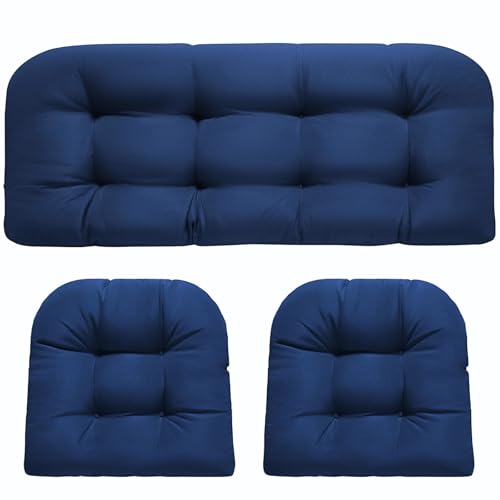
Reupholstering Cushions for Wicker Furniture
First, measure the existing cushions to determine the amount of fabric needed. Opt for durable, weather-resistant materials suitable for outdoor use if placing these items outside.
- Choose the right upholstery fabric: Look for options like marine-grade, acrylic, or polyester blends that can withstand the elements.
- Gather necessary tools: You’ll need a staple gun, scissors, fabric, foam (if replacing), and sewing supplies.
Remove the old fabric by carefully unfastening it from the cushions using a flathead screwdriver. Take note of how it was attached, as this will assist in the reupholstering process.
- Cut the new fabric according to your measurements, allowing extra for seams and tucking.
- If necessary, cut new foam to match the original size and shape of the cushions.
- Lay the new fabric face down, place the foam on top, and then the old cushion base on that.
- Begin folding the fabric over the cushion, pulling it tightly, and use a staple gun to secure it underneath, starting from the center and working towards the edges.
After reupholstering, reattach any buttons or decorative elements that were previously in place. This will enhance the cushion’s appearance and maintain its original style.
Finally, inspect the newly dressed cushions carefully. Look for any loose ends or areas needing adjustment, ensuring a neat and polished finish before placing them back on the seating.
Maintaining Natural Fiber Seating for Longevity
Regular cleaning is crucial. I utilize a soft brush to remove dust and debris from the weave. For deeper cleaning, a mixture of mild soap and water applied with a damp cloth is highly effective. I ensure to wipe away any excess moisture immediately to prevent mold or mildew.
Periodic inspection for signs of wear is necessary. I closely examine the structure and weaving for fraying or breaks. Prompt repairs can prevent further damage, so I patch up any loose strands right away using an appropriate adhesive or natural twine.
I avoid placing these items in direct sunlight, as UV rays can cause fading and brittleness. Instead, positioning them in shaded areas prolongs their aesthetics and durability. For indoor pieces, I ensure that they are not placed near heat sources like radiators or vents.
To maintain the natural sheen of the surface, I occasionally use a specialized furniture wax. This not only enhances the appearance but also provides a layer of protection against scratches and moisture. A light buffing after application ensures a smooth finish.
For items that have removable cushions, I replace the covers periodically. This keeps the seating fresh and inviting. I opt for durable fabrics that resist fading and wear, ensuring long-term use.
FAQ:
What materials do I need to refresh my wicker furniture?
To refresh wicker furniture, you will need a few essential materials. Start with a soft brush or vacuum to remove dust and debris. Then, prepare a mild solution of water and dish soap for cleaning. You may also want to purchase a sponge or cloth, and a can of outdoor sealant if you’re going to protect the finish. If you plan to repaint or stain, choose paint or wood stain specifically designed for wicker. Additionally, protective gear like gloves will help keep your hands clean.
How can I clean my wicker furniture effectively?
Begin by removing any cushions or fabrics from the wicker furniture. Use a soft brush or upholstery attachment on your vacuum to gently remove dirt and dust. For a deeper clean, mix a solution of mild soap and water, then use a sponge to wipe down the wicker. Be cautious not to saturate the material, as excess water can cause the wicker to swell or warp. After cleaning, allow the furniture to dry completely before applying any finishes or sealants.
Is it possible to repaint wicker furniture, and if so, how?
Yes, you can repaint wicker furniture, but it requires careful preparation. First, clean the furniture thoroughly to remove dirt and old finishes. Next, lightly sand the surface to help the new paint adhere better. Choose a suitable outdoor or indoor spray paint designed for wicker, and apply it in thin, even coats, allowing adequate drying time between each coat. This method ensures a smooth finish and helps the paint last longer.
How often should I refresh my wicker furniture?
The frequency of refreshing your wicker furniture depends on how often it is used and its exposure to the elements. For indoor furniture, a light refresh every few years may suffice. However, outdoor wicker pieces should be assessed more frequently, ideally every season, especially if they show signs of wear or fading. Regular cleaning and protective coatings will extend the life of your wicker furniture and keep it looking fresh.
Can I repair damaged wicker furniture, and what are the steps?
Yes, you can repair damaged wicker furniture, and the process involves a few straightforward steps. First, assess the extent of the damage. For minor breaks, you can use a strong adhesive designed for wicker. Carefully apply the adhesive to the broken area and hold it in place until it sets. For larger repairs, you may need to replace entire strands of wicker. In this case, use a similar material to weave in the new pieces, securing them with glue. Once the repair is complete, you can touch up with paint or stain to match the rest of the piece.
What are the best methods to clean and maintain wicker furniture?
To clean wicker furniture, start by removing any loose dirt or dust with a soft-bristled brush or vacuum cleaner. For more thorough cleaning, mix a mild detergent with warm water and use a cloth to gently wipe the wicker. Avoid soaking the furniture, as excess water can weaken the material. If there are stubborn stains, a mixture of vinegar and water may help. After cleaning, allow the furniture to dry completely in a shaded area to prevent fading from direct sunlight. Regular maintenance includes applying furniture polish or a suitable sealant to protect the wicker and prolong its lifespan.
How can I refresh the look of my wicker furniture without replacing it?
To refresh wicker furniture, consider repainting or staining it for a new look. Start by lightly sanding the surface to remove any old finish or peeling paint, then clean it thoroughly. Use high-quality outdoor paint or wood stain for durability. Additionally, adding colorful cushions or throws can transform the appearance, making it feel more modern. If the structure is still strong, a fresh coat of paint, combined with new fabric accessories, can make a significant difference without the need for full replacement.


