Caleb Turner

To achieve a beautiful, weathered look for your piece, focus on gathering the right supplies: chalk paint, a good quality brush, sandpaper, and a suitable topcoat. Begin by cleaning the surface thoroughly to remove any grime or residue that may interfere with the new finish.
Following the cleanliness step, apply a coat of chalk paint with smooth, even strokes, making sure to get into all crevices. Once dry, lightly sand the edges and surfaces to reveal some of the underlying layer, creating a naturally worn appearance. This technique enhances character and depth.
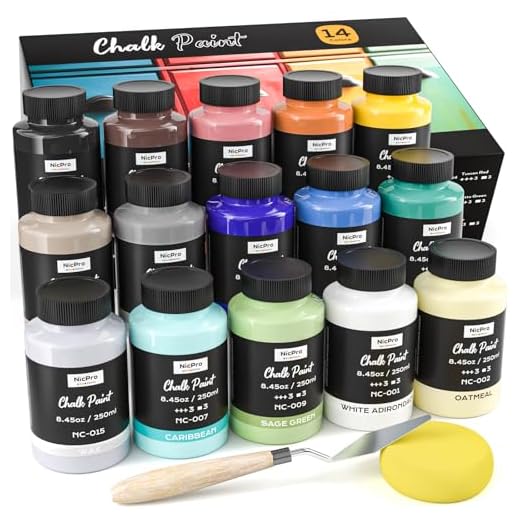
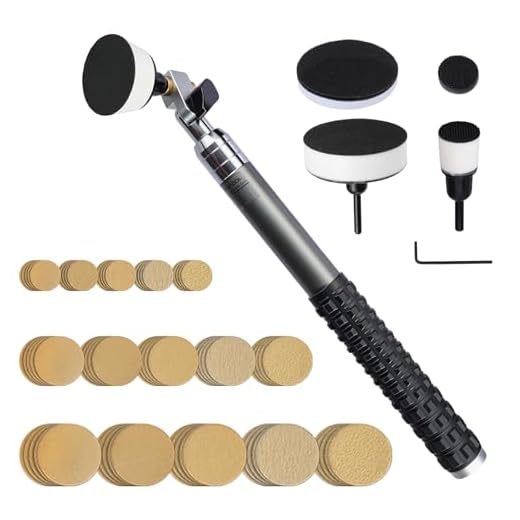


Conclude the process with a protective top layer such as wax or polyurethane to ensure durability. Wait for each layer to dry completely before proceeding to the next step, allowing the finish to set beautifully while preserving that charming, aged effect.
Applying a Distressed Finish
Select a high-quality base coat in a soft hue before transitioning to a lighter topcoat for that faded appeal. This initial layer serves as the backbone of your project.
Allow the base coat to dry completely; usually, a drying time of 24 hours works well. After it has set, use fine-grit sandpaper to create subtle wear at the edges and any areas prone to natural usage, like corners and handles.
Layering Technique
Use a sponge applicator or brush to apply the topcoat. A lighter shade enhances the aged effect, allowing the base to peek through. Work in thin layers, and be sure to let each layer dry before applying the next.
Final Touches
Once the top layer achieves the desired opacity, apply a clear wax or sealant to protect the surface. Buff the finish for a soft sheen. This step not only enhances durability but amplifies the vintage allure.
For added character, consider using a dark wax on the crevices after sealing; it deepens the grooves and emphasizes the texture.
- Always perform a patch test on a hidden area.
- Ensure proper ventilation while working with paints and finishes.
- Wear gloves to protect your hands from chemicals.
Choosing the Right Type of Furniture for Distressing
Selecting the appropriate pieces for a makeover is critical. I recommend opting for items made from solid wood or plywood. These materials respond well to aging techniques and allow for better adhesion of paints and finishes.
Best Wood Types
- Oak: A dense hardwood that holds up against wear and shows excellent grain patterns, which becomes more visible with a lighter finish.
- Pine: Softwood often used in rustic styles. It takes paint and stains well, offering a charming, lived-in look.
- Maple: Great for a smooth finish, this hardwood can be manipulated effectively for a vintage feel.
- Birch: Its light color makes it perfect for achieving a soft, weathered appearance.
Items to Consider
- Tables: Side tables and dining tables can dramatically change their aesthetic with a new coat.
- Chairs: Look for options with intricate carvings that can highlight the distressing methods.
- Dressers: A classic choice, they allow for varied techniques on different surfaces.
- Cabinets: Perfect for adding character in bathrooms or kitchens.
Keep an eye out for pieces with natural imperfections or unique features; these will enhance the overall effect and storytelling. Remember, the goal is to select items that not only suit your style but also perform beautifully under the transformation process.
Preparing Your Work Area and Materials
Prior to beginning my project, I ensure my workspace is well-ventilated. Opening windows or using fans enhances air circulation, keeping fumes at bay while I work. A clutter-free surface is crucial, so I clear excess items to have ample space for both tools and the piece itself.
Essential Tools and Supplies
I gather everything I need before starting. This includes sandpaper (different grits), a soft cloth, primer, paint, a sealant, brushes, and possibly a spray gun for a finer finish. Having these materials on hand prevents interruptions during the process.
Safety Precautions
Wearing a mask and gloves is non-negotiable. I ensure to protect my skin and respiratory system from chemicals and dust. Safety goggles are also in reach to shield my eyes from splatter. Setting up a drop cloth around the area protects floors from any spills or drips.
Having a plan for disposal is also important; I set aside a container for used rags and leftover materials to avoid any mishaps later.
Preparing thoughtfully minimizes frustration, enabling me to focus on achieving the desired outcome with the item I’m working on.
Cleaning and Sanding the Surface
I prioritize thorough cleaning to ensure a smooth and receptive base. Begin by wiping down the entire surface with a damp cloth to remove dust, dirt, and grime. For sticky residues, a mixture of mild soap and water works effectively. If you’re tackling grease or heavy stains, a degreasing cleaner can be beneficial. Allow the piece to dry completely before moving forward.
Tools Required for Sanding
Gather the necessary tools to make sanding efficient:
| Tools | Description |
|---|---|
| Sandpaper | Use 120-grit for initial smoothing and 220-grit for finer finishing. |
| Sanding Block | Helps to maintain a flat surface while minimizing the risk of creating dips or grooves. |
| Vacuum or Tacky Cloth | To remove dust created during sanding. |
Sanding Techniques
I typically adopt a systematic approach while sanding. Starting with 120-grit sandpaper, I sand the surface in the direction of the wood grain. This method reduces the potential for scratches and ensures a smooth finish. After achieving a satisfactory smoothness, I switch to 220-grit for a finer touch. Ensure all areas are evenly sanded, focusing on any imperfections or rough spots.
Once sanding is complete, I use a vacuum or tacky cloth to clear away all dust. This step guarantees optimal adhesion for subsequent layers. It’s crucial to feel the surface; it should be smooth and free from debris before applying any treatments.
Selecting the Best Distressed White Paint
For achieving a vintage appearance on your projects, I’ve found that the choice of hue is critical. The ideal shade should blend warm undertones with a hint of gray or cream to create that sought-after patina. Test samples on a small, concealed area to see how they respond to your existing finishes.
Types of Paint to Consider
| Paint Type | Benefits | Considerations |
|---|---|---|
| Chalk Paint | Easy to distress, matte finish, great adhesion. | Requires sealing to protect against stains. |
| Milk Paint | Non-toxic, natural finish, can be layered for depth. | May need a bonding agent for slick surfaces. |
| Acrylic Paint | Wide range of colors, durable, easy cleanup. | May require a primer, can look too shiny without a sealant. |
Finishing Touches
After applying your chosen color, consider using a wax or polyurethane for protection. I often layer the sealant in thin coats, allowing for a more natural feel while ensuring durability. Remember, the goal is to enhance the character, not overshadow it!
Applying the Base Coat Evenly
Utilize a high-quality brush or foam roller to achieve a smooth application. Dip the brush lightly into your paint, removing excess to prevent drips. Start from one corner and work your way across, applying thin layers to avoid thick globs that can detract from the finish.
Technique for Uniform Coverage
Use long strokes in the same direction as the wood grain. This ensures that the paint settles evenly and helps minimize visible brush marks. When using a roller, apply gentle pressure to avoid creating bubbles. Allow the first layer to dry completely before assessing if a second coat is necessary.
Checking for Imperfections
After the initial coat has dried, inspect the surface for any uneven spots or streaks. Sand lightly with fine-grit sandpaper to smooth out any flaws, then wipe away dust with a damp cloth. Follow up with a second coat, repeating the previous application techniques. Make sure lighting is adequate for spotting any areas needing touch-ups.
Creating a Distressed Look with Techniques
Using a variety of methods can transform a simple piece into a character-rich statement. Start by choosing a base coat that offers a solid foundation. Apply it evenly, ensuring full coverage, then let it dry completely.
Once the base is set, consider using sandpaper or a sanding block. Focus on edges, corners, and spots where natural wear occurs. Lightly sand these areas to reveal the underlying layer, adding depth to the finish.
Another technique involves the use of a dry brush. Dip your brush lightly into your top color and remove excess paint on a paper towel. Gently drag the brush across the surface, enhancing texture without overpowering the base coat.
For those desiring more contrast, consider applying a glaze or wax after your top coat is dry. These can deepen the shadows in crevices, enhancing the appearance of age. Be sure to apply it sparingly and feather it in for a more organic look.
Experimentation with layering techniques can yield striking results. Try multiple colors for a richer finish. Use a combination of techniques like sponging or stippling for additional texture.
Finally, seal your work with a clear coat to protect it while maintaining the aesthetic. Choose a matte or satin finish based on the desired final look. This final step ensures longevity and preserves the artistry you’ve created.
Sealing the Finish for Durability
For lasting protection, I recommend using a clear topcoat after applying your favorite paint. A polyurethane or polycrylic sealant works best, providing a hard, protective layer that withstands daily wear. Make sure to choose a sealant that matches the sheen of your base coat, whether matte, satin, or gloss.
Before application, ensure the painted surface is completely dry–this can take several hours or even a full day, depending on temperature and humidity. When ready, use a high-quality synthetic brush or a foam applicator to apply the topcoat evenly. Avoid heavy strokes to prevent bubbles.
For added resilience, I apply two or three thin coats of sealant, allowing adequate drying time between each layer. Lightly sand with fine-grit sandpaper after the first coat dries; this promotes better adhesion for subsequent layers, enhancing durability.
After the final coat, I allow the piece to cure for a minimum of 24 hours before using it. This ensures the finish hardens properly for long-lasting protection against scratches and moisture.
Ultimately, a well-sealed project stands the test of time, maintaining its personality while resisting the rigors of everyday use.
Adding Protective Coatings for Longevity
Choosing an appropriate protective layer is critical for extending the life of the newly transformed piece. The options vary, but here are the most effective choices:
- Polyurethane: A durable choice that offers excellent protection against scratches and moisture. Choose between water-based for a clear finish or oil-based for a warmer hue. Apply with a synthetic brush for a smooth application.
- Wax: Provides a natural finish and is easy to apply. Regular reapplication is necessary to maintain its protective qualities. Ideal for pieces that won’t see heavy use.
- Shellac: Fast-drying and easy to work with, shellac offers moderate protection while enhancing the underlying color. It is not as resistant to heat and alcohol, so consider this for low-contact items.
Application Techniques
When applying these coatings, ensure the surface is clean and dry. Follow these steps:
- Using fine-grit sandpaper, lightly scuff the painted surface to enhance adhesion.
- For polyurethane, stir gently and avoid shaking to prevent bubbles; apply thin, even coats.
- For wax, use a soft cloth to rub it in a circular motion, allowing it to set before buffing.
- For shellac, use a natural bristle brush for a smooth finish and allow adequate drying time between coats.
Always test your chosen finish on a small, inconspicuous area before full application to ensure compatibility with the underlying paint and desired outcome.
Maintenance Tips
To keep the finish looking fresh:
- Regularly dust and clean with a soft, damp cloth.
- Avoid harsh chemicals that can damage the surface.
- Reapply wax or other finishes according to the frequency of use and wear.
Implementing these protective strategies will enhance the durability of your piece and maintain its aesthetic appeal for years to come.
Tips for Maintaining Distressed White Furniture
Regularly dust the surfaces using a soft, lint-free cloth to prevent dirt buildup and maintain the finish. This simple task helps keep your pieces looking fresh.
Cleaning Techniques
For deeper cleaning, mix a mild soap solution. Dampen the cloth with the solution, but ensure it’s not too wet to avoid damaging the finish. Wipe in the direction of the grain for best results, and always follow up with a dry cloth.
Avoiding Damage
Use coasters and placemats to shield surfaces from moisture and heat. Placing a protective layer between items and your furniture can prevent unsightly rings and scratches. Additionally, keep these pieces out of direct sunlight to avoid color fading and damage over time.
FAQ:
What materials do I need to refinish my furniture to a distressed white finish?
To achieve a distressed white finish on your furniture, you will need several materials. First, gather sandpaper (medium and fine-grit), a paintbrush or spray gun, chalk paint or a good quality latex paint in white, a clear topcoat (sealer), and possibly wood filler if there are damages to repair. Additionally, old rags for wiping excess paint, a distressing tool (like a sanding block), and a drop cloth to protect your work area will be helpful.
Can I distress furniture without using paint?
Yes, you can achieve a distressed look without paint by using techniques to age the wood. For example, use sandpaper or a power sander to wear down edges and surfaces, creating a naturally worn appearance. You can also apply wood stains that naturally mute the color, followed by a clear coat of finish. This method allows the inherent beauty of the wood grain to show through while still giving a rustic look.
How can I create a distressed finish that lasts?
To ensure your distressed finish lasts, proper preparation and application are key. Start by thoroughly sanding the furniture to remove any previous finishes and create a smooth surface for your paint. Apply a good quality chalk paint for a matte finish that adheres well. After distressing, it’s crucial to seal the paint with a clear topcoat to protect against scratches and stains. Regular maintenance, like cleaning and periodic reapplication of the topcoat, will also help maintain the finish over time.
What techniques can I use to create different levels of distressing on my furniture?
To create varying levels of distress on your furniture, you can experiment with several techniques. For subtle distressing, lightly sand the edges and corners using fine-grit sandpaper. For a more pronounced effect, focus on areas that naturally wear, like handles and corners, creating deeper scratches. You might also use a distressing tool, like a hammer or chain, to add texture before painting. Layering different techniques, such as dry brushing, can further enhance the overall look while adding depth to the finish.
Is it necessary to strip old paint before applying a distressed white finish?
It’s not always necessary to strip old paint if the existing finish is in good condition, but it can depend on the desired outcome. If the old paint is chipped or peeling, or if you’re changing the color dramatically, stripping or sanding down the old finish is advisable for better adhesion and a cleaner final appearance. If the furniture is structurally sound and the previous finish doesn’t interfere with the new application, you can simply sand it lightly before proceeding with your distressed white paint.