Caleb Turner
Begin by assessing the current condition of your items. Take note of any pieces that require repair or touch-ups. Before you dive into changes, sand down the surfaces to ensure a smooth finish for any paints or stains.
Choosing the right color can make a significant difference. Opt for hues that create a calming atmosphere, such as soft blues or muted grays. A fresh coat of paint can completely revitalize a tired look, giving your resting area a more inviting feel.
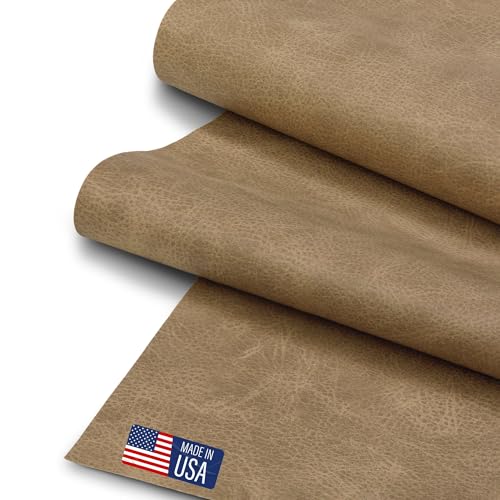
Consider reupholstering chairs or headboards with fabrics that complement your chosen palette. Use high-quality upholstery materials that are durable and easy to clean, ensuring longevity and maintaining a fresh appearance.
Accessorizing also plays a pivotal role in the makeover. Switch out outdated hardware on drawers and cabinets for modern alternatives. Even small changes, like adding unique knobs or handles, can elevate the overall aesthetic of your space.
Finally, incorporate personal touches such as artwork, framed photographs, or decorative pillows. These elements not only enhance the visual appeal but also make the space uniquely yours, creating an environment you truly enjoy.


Strategies for Refreshing Your Sleep Space Essentials
Choose a focal point. Select a standout piece, like a headboard or dresser, to set the tone for the entire area.
1. Refinishing Techniques: Opt for sanding to remove existing paint or varnish. Apply a primer suitable for the material, then finish with your desired paint or stain.
2. Upholstery Upgrade: If a sofa or chair is involved, consider reupholstering with modern fabrics that match your color scheme. This can dramatically change the ambiance.
3. Hardware Swap: Replace knobs, pulls, and hinges with new, stylish options. Vintage or contemporary styles can add unique character.
4. Declutter and Rearrange: Remove unnecessary items. Rearranging can maximize space and create a fresh layout, improving the overall look.
5. Add Accessories: Utilize throws, pillows, and artwork to breathe life into your design. Textures and patterns can create visual interest.
6. Lighting Shift: Change light fixtures or add new lamps to improve the atmosphere. Dimmers can adjust mood effectively.
7. Wall Treatment: Instead of painting, consider removable wallpaper or decals for a quick transformation without permanence.
8. Eco-Friendly Options: Explore sustainable materials and finishes to align with environmental values while revamping your space.
9. DIY Customization: Incorporate personal touches through handmade decorations or painted patterns. Individual flair enhances the uniqueness.
10. Incorporate Greenery: Add plants for a refreshing touch, which can enhance air quality and bring natural elements indoors.
Choosing the Right Style for Your Bedroom
Focus on a specific aesthetic that resonates with you. Consider whether you prefer modern minimalism, rustic charm, or a touch of vintage elegance. Each style evokes a different mood and influences the overall atmosphere.
Color Palette
Choose a color scheme that complements your selected design. Soft, neutral tones work well with contemporary styles, while deeper, richer shades may enhance a more traditional or eclectic look. Test paint samples on your walls to see how they interact with natural light.
Materials and Textures
Select materials that align with your chosen style. For a sleek appearance, opt for smooth finishes like metal or glass. If you’re leaning towards a cozier vibe, natural wood and soft fabrics can provide warmth. Layering different textures adds depth to the space, creating visual interest.
Selecting Materials for Furniture Restoration
Choosing appropriate materials can significantly enhance the outcome of any restoration project. I prefer solid wood for its durability and timeless appeal. Oak, maple, and cherry are excellent choices, allowing for sanding and refinishing without compromising structural integrity. When working with plywood, ensure it’s high-quality to avoid delamination.
Finishes and Paints
For finishes, I recommend using oil-based varnishes. They provide a rich look and are resistant to scratches. Latex paints work well for those seeking a pop of color, but use a primer first for better adhesion. Chalk paint is another fantastic option for a matte finish and is easy to distress, perfect for achieving a vintage look.
Upholstery Options
Select fabric wisely if I’m reupholstering seating. Look for durable materials like canvas or twill that withstand wear. For a touch of luxury, consider velvet or leather. Always check the fabric’s rub count, as this indicates its durability. Don’t forget about foam for cushions–medium density offers comfort while maintaining shape.
Lastly, hardware plays a crucial role. Updating knobs and hinges can breathe new life into a piece. I often seek antique or brushed finishes to complement the overall aesthetic. Pay attention to the scale of the hardware; it should harmonize with the size of the item being restored.
Step-by-Step Guide to Sanding and Preparing Surfaces
Begin the preparation by gathering necessary tools: sandpaper (various grits), a sanding block or power sander, a vacuum cleaner, and a damp cloth. Selecting the right sandpaper is critical; start with a lower grit (60-100) for heavy sanding and progress to finer grits (120-220) for a smooth finish.
1. Remove Hardware
- Take off any handles, knobs, and hinges to avoid damaging them during the sanding process.
- Store hardware in a labeled bag to keep everything organized.
2. Clean the Surface
Wipe the piece with a damp cloth to remove dust, grease, or any residues. Allow it to dry completely before proceeding.
3. Sanding Technique
- Begin with coarse sandpaper, making even passes along the grain of the wood. Avoid circular motions to minimize swirl marks.
- Apply consistent pressure; let the sandpaper do most of the work. Check for smoothness periodically.
- Switch to finer sandpaper, repeating the process until the surface feels smooth and even.
4. Dust Removal
After sanding, use a vacuum to remove dust particles, followed by a damp cloth to ensure all debris is cleared. This is vital for proper adhesion of paints or finishes.
5. Final Inspection
Examine the surface for any imperfections. If needed, spot-sand those areas with fine grit before the final clean-up.
By carefully following these steps, you’ll achieve a well-prepared surface ready for the next phase of your project. Preparation lays the groundwork for a professional-looking result.
Techniques for Painting or Staining Furniture
Using a spray gun offers a smooth and even finish. I find it particularly useful for large surfaces. Ensure the piece is well-prepared and the workspace is properly ventilated to avoid overspray issues.
For a brush application, choose angled brushes for corners and detailed areas. A high-quality synthetic brush works well with water-based paints, while natural bristles are better for oil-based products. Apply paint in thin layers, allowing each coat to dry before adding the next.
When staining, I prefer to use a foam applicator. This method helps to control the amount of stain absorbed, resulting in a uniform color. Wipe off excess stain after application to prevent blotching.
Consider gel stains when working with vertical surfaces. They adhere better, reducing dripping and running. Applying a wood conditioner beforehand can help in achieving a more even stain absorption, especially on softwoods.
Don’t shy away from experimenting with textures. A sponge or rag can create unique effects, especially when working with glazes. Layering techniques can also add depth and character to the finish.
For a distressed look, sand edges after painting to reveal the base layer. This technique adds vintage charm and pairs well with rustic styles.
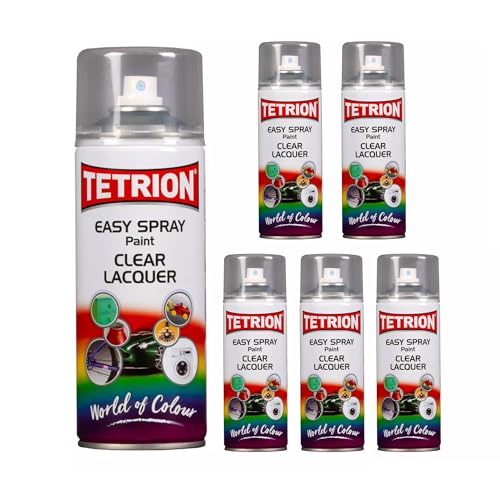
Always finish with a clear protective coat, such as polyurethane, to seal the surface. This layer safeguards against scratches and pollutants while enhancing the color.
Incorporating New Hardware and Accents
Changing knobs and handles can dramatically transform the appearance of any pieces. Opt for contemporary metallic finishes or rustic wooden options, depending on the desired aesthetic. Their size and shape should complement current designs while standing out as a focal point.
Consider adding decorative accents such as new drawer liners, which provide both a tactile and visual upgrade. Use patterned paper or fabric to create a unique interior that enhances the user experience.
Lighting plays a significant role; swapping out standard lamp shades for more stylish alternatives can completely redefine the space. Choose shades in contrasting colors or textures to draw attention and enhance the overall style.
| Type of Hardware | Style Idea | Suggested Material |
|---|---|---|
| Knobs | Modern Sleek | Brushed Nickel |
| Handles | Vintage Charm | Antique Brass |
| Hinges | Minimalist | Black Matte |
Utilizing complementary paints or stains can emphasize the updates. A subtle color shift on the outer surfaces can create a fresh look that ties all accents together seamlessly.
Don’t underestimate the power of decorative elements such as new bedspreads, pillows, or artwork. These additions can link the current accents to the existing decor, making everything feel curated rather than random.
Arranging Your Redesigned Furniture for Optimal Space
Position larger pieces like beds or dressers against the longest walls to maximize walking space. This creates a natural flow and opens up the room, making it feel more expansive. Place smaller accents, such as nightstands, within reach of the main seating or sleeping area for convenience.
Creating Zones
Define zones for different activities. For instance, a cozy reading nook can be established with a chair and a small side table in a well-lit corner. This not only utilizes space efficiently but also adds functionality to the area. If there’s enough room, consider a small desk for work or personal projects, ensuring it’s positioned near a power outlet for practicality.
Balance and Symmetry
Achieve visual harmony by arranging items in pairs or similar shapes. For instance, if using two chairs, position them opposite each other to create balance. Accessories and decor can enhance this effect; consider grouping decorative elements in odd numbers for a natural look that draws the eye.
Utilizing vertical space can also enhance the arrangement. Tall shelves or wall-mounted units take up less floor space while providing ample storage and display options. Always leave room for movement around these pieces to maintain accessibility.
Experimentation is key. Move items around until the arrangement feels right; sometimes a slight shift can make a considerable difference in how the space functions and feels. Incorporate rugs to define areas, adding comfort while also visually separating sections.
Finally, always consider natural light sources. Position furniture in a manner that encourages light flow, preventing dark corners which can make the space feel cramped. With thoughtful placement, the entire area will feel refreshed and inviting.