
 Caleb Turner
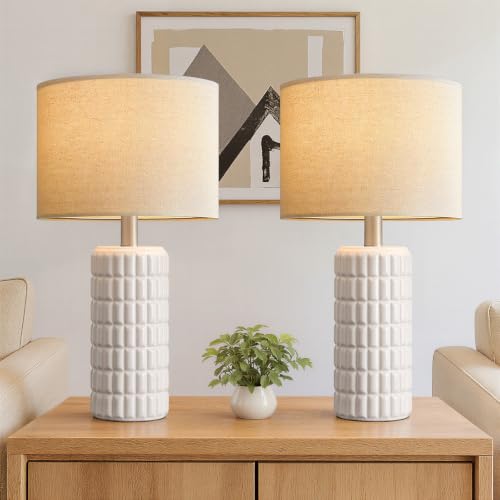
To maximize the aesthetic of your upper living quarters, focus on centering key pieces against stark backgrounds. I recommend selecting a prominent item, such as a statement chair or a decorative shelf, to serve as the focal point. Position it thoughtfully to draw the eye and create a starting point for the arrangement.
Utilize vertical space by incorporating tall bookshelves or hanging fixtures. This not only enhances the illusion of height but also provides essential storage without overwhelming the area. Ensure that the placement allows for easy movement; a calculated layout prevents clutter while ensuring accessibility.
Mix various textures and materials–think wood, metal, and fabric–to cultivate a warm and inviting atmosphere. Experiment with different arrangements, making adjustments until the desired harmony is achieved. Lastly, consider the lighting; ambient illumination enhances the charm of your settings, drawing attention to your carefully curated collection.
Arranging Items on Elevated Platforms in FFXIV
To effectively arrange your decor on an elevated platform, first, select the items you wish to display and place them in your inventory. Utilize the housing interface to initiate the placement process.


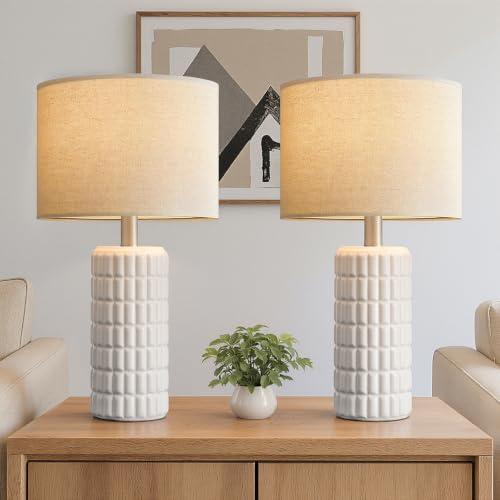
Follow these steps for optimal arrangement:
- Access your estate by opening the housing menu.
- Select the “Mount” or “Place” option, depending on your setup.
- Choose the desired objects from your inventory.
- Move to the elevated section of your dwelling and face the surface where you want to position the selected item.
- Press the appropriate button to place the object. Ensure it aligns correctly with the surface.
Consider the following tips to enhance your setup:
- Use items with base sizes that complement the elevation. Smaller accents can add depth.
- Employ stacking techniques for multiple pieces to create visual interest.
- Incorporate lighting elements to enhance ambiance from higher surfaces.
- Experiment with angles during placement to achieve a unique look.
When rearranging, a quick check of your inventory is beneficial to avoid clutter and maintain a clean aesthetic. This ensures a cohesive atmosphere throughout your housing area.
Understanding the Loft Layout Options
Select specific zones for activities. Designate areas for relaxation, crafting, or gathering, ensuring each section serves a purpose. This maximizes functionality and enhances the experience.
- Open Concept: Embrace a spacious feel by removing barriers. This layout fosters easy movement and collaboration, perfect for social interactions.
- Separated Sections: Use partitions or decorative screens to create distinct areas. This approach can enhance privacy and create a cozy atmosphere.
- Multi-Functional Spaces: Incorporate items that serve multiple purposes, like a table that doubles as a workbench. This saves space while increasing utility.
Plan vertical elements strategically. Tall bookshelves or hanging displays can draw the eye upward, making the space feel larger.
- Consider accessing heights: Use ladders or steps efficiently to utilize elevated areas.
- Integrate lighting effectively: Layer ambient, task, and accent lighting to define spaces and emphasize key features.
Stay aware of your layout’s flow. Ensure pathways between zones are seamless to avoid congestion and enhance accessibility.
- Color Palette: Choose harmonious hues throughout the area to create a cohesive look and feel.
- Flooring Choices: Opt for durable materials that complement the overall aesthetic while being easy to maintain.
Incorporate personal touches to reflect your style. This can be done through decor, plants, or artwork, adding character to the environment.
Choosing the Right Furniture for Your Loft
Prioritize functionality and comfort in your selections. Assess the available space and determine the dimensions of each item to ensure a good fit without overcrowding. Modular pieces are ideal; they can be rearranged as needed and provide versatile options for different activities.
Incorporate storage solutions to maintain organization. Look for items that serve dual purposes, such as ottomans with hidden compartments or bookshelves that act as room dividers. This can maximize utility while minimizing clutter.
Pay attention to aesthetics. Choose a cohesive style that resonates with personal taste, whether it’s modern, rustic, or eclectic. A consistent color palette can unify different elements, creating a more inviting atmosphere. Integrating plants can add life and balance to the space.
Consider the lighting as a pivotal aspect of your design. Layered lighting options, including ambient, task, and accent lighting, can enhance the overall ambiance. Select fixtures that complement the vibe of your space, ensuring they illuminate effectively while adding to the decor.
Don’t overlook the importance of comfort, especially for seating. Look for chairs and sofas that provide ample support and encourage relaxation. Plush cushions can enhance the overall feel, making the area more welcoming for guests and personal enjoyment.
Lastly, involve personal touches that reflect individuality. Display artwork, photographs, or souvenirs that represent experiences and interests. This not only personalizes the environment but also makes it a unique space that showcases one’s personality.
Using the Housing Menu to Place Items
Access the housing menu via the designated button on your interface, ensuring you’re in your designated space. Select the “Edit” option to enter placement mode.
Furnishings can be found in the inventory tab. I recommend filtering by category for quicker access to specific items, such as chairs, tables, or storage units. Once I’ve located the desired item, I drag it into the space where I want it to be placed.
For precise placement, I utilize the grid display feature, allowing me to align objects neatly. Adjust the height by using the up and down arrow keys, making it easy to fit pieces on raised platforms.
If I encounter issues with overlapping objects, I can rotate or move items slightly until they fit perfectly. For items with multiple placement options, I explore using the snap-to-grid function to maintain alignment.
Regularly check the layout from different angles to ensure each piece fits well within the overall design of the area. I often take advantage of the preview feature to visualize how items will appear before finalizing their position.
Lastly, don’t forget to save changes frequently, preventing any loss of my hard work while arranging the décor in my space.
Adjusting Item Placement for Aesthetic Appeal
Pay attention to symmetry and balance when arranging decor. Aim for an even distribution of larger and smaller pieces to create visual interest. Grouping similar items together can enhance the overall look.
Layering Techniques
- Utilize overlapping items to create depth. For example, place a smaller plant atop a stack of books.
- Consider contrasting heights; tall items can accentuate shorter ones, drawing the eye across the space.
- Use rugs to define areas, helping to organize your design while adding texture.
Color Coordination
- Choose a cohesive color palette that complements your chosen theme. Stick to two or three primary colors for a harmonious effect.
- Incorporate pops of vibrant shade to create focal points, but use sparingly to avoid overwhelming the area.
- Natural materials can soften bold colors, so combine wood and plants with brighter decor for balance.
Regularly step back to evaluate your arrangement from different angles. This provides perspective and helps identify any areas that might feel cluttered or unbalanced. Adjust placements as needed until achieving a pleasing aesthetic.
Integrating Lighting with Furniture Arrangements
To achieve a harmonious atmosphere, strategically incorporate lighting elements alongside your furnishings. Focus on layering light sources–ambient, task, and accent–to enhance the overall aesthetic. This approach creates depth and highlights key features of your design.
Start with ambient lighting as your foundation. Utilize ceiling-mounted fixtures or wall sconces to provide an overall glow. This base layer ensures that your space feels welcoming and does not overshadow the other elements. Next, introduce task lighting near areas where activities occur, such as reading or eating. Desk lamps and adjustable fixtures are excellent for focused lighting in those zones.
Accent lighting serves to draw attention to specific pieces or areas. Incorporate spotlights or decorative lamps to create focal points around artworks or unique décor. Position these light sources in a manner that complements the arrangement of your items, allowing the light to interact with textures and colors.
| Lighting Type | Purpose | Examples |
|---|---|---|
| Ambient | General illumination | Ceiling lights, wall sconces |
| Task | Focused lighting for activities | Desk lamps, under-cabinet lights |
| Accent | Highlight specific features | Spotlights, decorative lamps |
Consider the color temperature of light bulbs as well. Warmer tones create a cozy feel, while cooler shades can give a more modern and vibrant ambiance. This choice can significantly impact the appearance of your arrangements, enhancing your design’s personality.
Finally, remember to adjust the positioning of your light sources as you change the layout of your space. This ensures that lighting continues to complement your arrangement effectively and maintains the intended ambiance. Regular tweaks will help achieve the desired effect as your style evolves.
Utilizing Storage Solutions in Your Loft
Incorporate ample shelving units along the walls to capitalize on vertical space. This approach keeps the ground area free while showcasing decorative items or useful gear. I recommend open shelves for easier access, but consider closed options for a more streamlined look.
Multi-Functional Items
Opt for multi-use pieces, like ottomans that double as storage, to minimize clutter. Such items serve two purposes, allowing for effective organization without sacrificing style. Under-bed containers can also provide concealed storage with minimal effort for access.
Organizing Your Collection
Segment your belongings into categories and utilize clearly labeled bins for straightforward retrieval. Clear storage solutions let you observe contents quickly, while decorative boxes or baskets can add an aesthetic touch. Prioritize frequently used items within easy reach and stow less often used articles higher up.
Always consider the balance of open and closed storage to achieve a harmonious and functional environment. This method streamlines daily activities while presenting an inviting space.
Maximizing Space with Multi-Functional Furniture
To fully utilize limited areas, I choose pieces that serve more than one purpose. For example, a bed with built-in drawers can store items while remaining a comfortable sleeping space. Having a desk that transforms into a dining table enhances functionality without cluttering the area.
Prioritizing Versatile Designs
When selecting items, I look for designs that easily adapt to different needs. Folding chairs and collapsible tables are perfect for accommodating guests without permanent fixtures taking up space. I prefer ottomans that can double as storage containers or seating, making them practical additions.
Incorporating Modular Options
Opting for modular pieces allows for flexibility in rearranging layouts. Sectional sofas can be reconfigured to suit different activities, while modular shelving units can be adjusted to fit various wall spaces. This adaptability keeps the environment dynamic and interesting.
By considering these strategies, I effectively create a functional, visually appealing space that meets my diverse requirements.
Troubleshooting Common Placement Issues
Ensure that the items align properly by checking the grid system. Sometimes, misalignment happens if the surface is not flat, or there are overlapping structures. Use the housing menu to toggle the grid visibility for precise adjustments.
If an object cannot be placed, verify if it’s blocked by another item or structure. Examining the space around it and removing any obstacles can often resolve these blocking issues.
For items that seem to float or hover, adjust their positioning using the vertical placement options in the housing menu. Lowering their height can create a grounded appearance.
Some objects may appear distorted or incorrectly oriented. Rotating the item using the rotation tool can solve most alignment concerns. Experiment with different angles to find the ideal placement.
If specific items appear clipped or partially submerged in a surface, consider changing the height or moving them slightly back from edges. This avoids a visually jarring experience.
Utilize the following table for quick solutions to common placement challenges:
| Issue | Solution |
|---|---|
| Alignment Issues | Check grid visibility and adjust for proper alignment. |
| Blocked Placement | Remove any surrounding obstacles causing the block. |
| Floating Objects | Adjust the height using vertical placement options. |
| Poor Orientation | Use the rotation tool for proper orientation. |
| Clipping Issues | Adjust height and distance from edges to correct. |
For further refinement, consider changing the scale of the items if they appear disproportionate within the given area. This creates harmony and enhances overall aesthetics.
Lastly, if you still experience difficulties, restarting the game can sometimes refresh placement mechanics, allowing items to be repositioned correctly after a brief pause.


