Caleb Turner
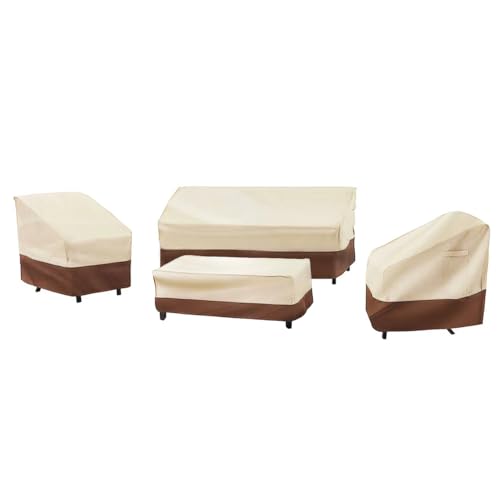
Ensure a snug fit of your protective coverings by starting at one end and working methodically toward the opposite side. I’ve found it effective to drape the material over the item, allowing for an initial loose fit. This way, adjustments can be made once the cover is in place.
Take a moment to check for any obstructions like table legs or chair arms that may hinder a smooth placement. Keeping the fabric aligned with the contours of the seat or table is key to preventing wear and tear in the long run.
Once the protective layer is draped correctly, secure any fastening mechanisms available, such as ties or velcro straps, to eliminate movement during windy conditions. This will ensure that your possessions remain shielded from elements like rain and dirt.
Lastly, always double-check the fit after securing the items. A well-fitted cover will not only look better but also provide superior protection for your outdoor decor.
How to Secure Your Outdoor Furniture Protection
Choosing the right size is critical. Measure each item accurately, ensuring that the shield matches the dimensions perfectly for a snug fit.
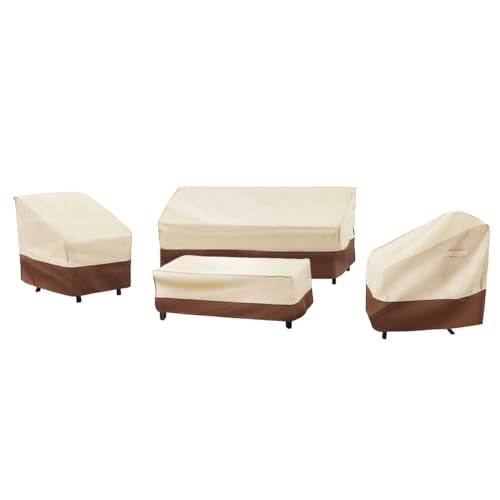


Before covering, clean each piece thoroughly. Remove dust and debris. This prevents dirt from staining or damaging surfaces over time.
During application, I drape the material over the top and let it fall naturally. Adjust until it settles evenly on all sides.
For those with straps or buckles, fasten them tightly. This keeps everything in place against wind and rain, which is essential for longevity.
If the design has a drawstring, I pull it snugly around the base to prevent excess movement. This adds an extra layer of security.
Once secured, check for any areas that may slip or gaps that need adjustment. Proper placement is key to effective protection.
Finally, make it a habit to regularly inspect the shields. Look for signs of wear or damage, addressing any issues immediately.
Choosing the Right Size for Your Furniture Covers
Measure the dimensions of each piece meticulously before selecting protective gear. Length, width, and height measurements will help avoid ill-fitting options. For rectangular items, note both the length and width; for round tables or chairs, measure the diameter.
Consider the style of the items being shielded. For example, sectional sofas may require multiple covers due to their shape, while simpler pieces need just one cover. Ensuring a snug fit is crucial for effectiveness against harsh weather conditions.
Account for any additional elements such as armrests or table legs. When measuring, include these features to ensure the cover provides comprehensive protection. Also, look for adjustable features that can accommodate minor discrepancies in size.
I recommend checking the manufacturer’s size charts, as they typically provide guidance based on specific designs and styles. If in doubt, opt for a slightly larger option to ensure complete coverage.
Lastly, consider a cover with secure straps or fasteners; these will keep the cover in place, enhancing its durability and function. Ultimately, taking the time to get accurate measurements and selecting the right dimensions will save time and effort in the long run.
Preparing Your Outdoor Furniture for Covering
Begin with a thorough cleaning of all surfaces. I use a mild detergent mixed with warm water and a soft brush to remove dirt, grime, and any mildew. Rinsing everything well prevents the buildup of residue under the protective layer.
Ensure every piece is completely dry to avoid moisture being trapped beneath the protective layer, which could lead to mold or deterioration. I often leave items in the sun for a short period to guarantee they are moisture-free.
Inspect each item for any damage such as scratches or loose parts. Repairing minor issues prior to covering will extend the lifespan of the items and ensure they are in optimal condition.
Remove any cushions or accessories that do not belong beneath the protective material. If applicable, I store these separately in a dry place to protect them from humidity and pests.
Consider rearranging items to facilitate easier covering. Grouping pieces can simplify the process, especially when dealing with multiple items.
If using a dedicated storage space, make sure that area is clean and free from pests. Utilizing a tarp or additional protective layer on the ground can further safeguard against moisture and debris.
Properly Aligning Covers on Different Furniture Types
To achieve a snug fit, I ensure that the cover fits well according to the shape and size of each item. For instance, with rectangular tables, I center the protective layer and let it drape evenly over each side. When it comes to lounge chairs, I stretch the cover over the backrest first, then drape it down to the seat and arms, smoothing out any wrinkles as I go.
Cushioned Seating
I always pay extra attention when covering cushioned lounges. After positioning the cover, I tuck in any excess material at the base to prevent wind from lifting it. This method keeps it secure and water-resistant.
<h3.Stacked Chairs
For stacked seating, I recommend using a larger protective sheet that covers the entire stack. I secure it at the bottom with clips or ties to prevent it from blowing away.
| Item Type | Covering Method |
|---|---|
| Rectangular Table | Center and drape evenly |
| Single Lounge Chair | Cover backrest, then seat and arms |
| Cushioned Lounges | Stretch and tuck at base |
| Stacked Chairs | Use larger cover and secure |
These targeted approaches help ensure that every piece is adequately shielded from the elements, maximizing their lifespan and maintaining appearance.
Securing Covers Against Wind and Weather
Always secure your protective coverings to prevent them from blowing away or accumulating moisture underneath. Here are several methods I recommend:
Using Straps and Buckles
- Many protective sheets come with built-in straps and buckles. Adjust and fasten these to keep the cover snug against the furniture.
- If your coverings lack these features, consider purchasing universal tie-down straps. These can be easily fixed around the layout.
Weights and Anchors
- Place heavy objects, such as bricks or specially designed weights, on the edges of the coverings. Ensure they are evenly distributed to maintain balance.
- Utilize anchor weights that can be filled with sand or water, providing extra stability against gusts.
Regularly inspect the tops of the protective layers to ensure they’re secure, particularly after windy weather. If possible, consider a wind-resistant design to improve performance against severe conditions.
Considering these strategies will greatly extend the lifespan of your items and keep them looking new through seasonal changes.
Maintaining and Cleaning Covers for Longevity
I recommend regularly inspecting the protective layers for any signs of wear or damage. Immediate attention to small tears or punctures can prevent larger issues down the line. For maintenance, it’s best to rinse the materials with a hose and mild soap biannually. Avoid harsh chemicals as they can degrade fabric quality over time.
When it comes to cleaning, use a soft brush for stubborn stains. After rinsing, ensure the covers dry completely before storing or replacing on the items to avoid mold growth. For deeper cleaning, follow the manufacturer’s guidelines on washing machine settings and drying methods.
Storage Tips
When not in use, store the protective sheaths in a cool, dry place, preferably in a breathable bag to prevent moisture buildup. If space allows, keep them rolled rather than folded to avoid creasing, which can compromise fit. Regularly air out the covers to keep them fresh.
Seasonal Care
Ensure the materials have proper ventilation during the off-season if stored indoors. In colder months, maintain cleanliness to prepare for increased usage as weather improves. Being proactive in care practices will extend the lifespan significantly, ensuring protection remains effective.
Storing Accessories When Not in Use
Clean and dry the items thoroughly before storage to prevent mold and mildew. Choose a cool, dry area for keeping the accessories. I recommend using breathable storage bags or bins to protect against dust while allowing air circulation. Avoid plastic wraps, as they can trap moisture.
Stack lighter materials on top of heavier ones to maximize space. Ensure any attempt at stacking does not crush or deform the items. Use padded boxes for delicate pieces, which helps maintain their shape during storage.
Label each storage container clearly to identify contents easily. Consider taking photos of your arrangements, serving as a reference for quicker setup when retrieving them. Regularly check on your stored items, ideally once a season, to ensure they remain in good condition.
If possible, store items indoors during extreme weather conditions. If outdoor storage is necessary, elevate them off the ground using pallets or similar platforms to protect against moisture and pests. Always tie down covers tightly if leaving them outside to prevent them from blowing away.
Review storage environments regularly to adapt solutions as needs change. This ensures longevity and readiness for the next use, allowing for immediate enjoyment when it’s time to bring accessories back out.
Recognizing Signs of Wear and When to Replace Covers
Inspect your protective coverings regularly to catch signs of decline early. Look for fading colors, which can indicate that UV protection is wearing off. If you notice tearing, fraying edges, or noticeable holes, it’s time to consider replacement.
Indicators of Deterioration
- Fabric thinning or cracking under pressure.
- Loss of waterproofing; if water no longer beads on the surface.
- Unpleasant odors, often a sign of mold or mildew.
- Difficulty in fastening or securing the covering.
Replacement Timeline
Typically, I assess my protective coverings annually, especially after intense weather seasons. If a covering is more than three years old and shows multiple signs of damage, I opt for a new one. Fresh, high-quality materials provide better protection against elements.
Investing in covers made from durable, high-tech fabrics can extend their life and, in turn, protect your investments effectively. Regular care and timely replacement ensure that my outdoor items remain in excellent condition for years.
FAQ:
What materials are commonly used for outdoor furniture covers?
Outdoor furniture covers are typically made from various waterproof and UV-resistant materials. Common options include polyester with a polyurethane backing, vinyl, and heavy-duty canvas. These materials are designed to withstand various weather conditions, ensuring that your furniture remains protected from rain, snow, and sun damage. Additionally, some covers come with a breathable fabric to prevent mold and mildew buildup.
How do I choose the right size cover for my outdoor furniture?
To select the appropriate size cover, first measure your furniture carefully. For a table, measure the length, width, and height; for chairs, measure the width, depth, and height of the seating. Look for covers that specifically list dimensions to find the best fit. It’s a good practice to choose a cover that offers a little extra room to accommodate any cushions or accessories that might be present. Many retailers offer sizing guides to help you make your choice.
What are the steps to properly put on outdoor furniture covers?
Begin by ensuring your furniture is clean and dry to prevent any mold or mildew issues. Next, position the cover over the furniture, making sure it fits snugly. If the cover has straps or ties, secure them in place to keep it from blowing away in the wind. Finally, check that all areas are covered, especially the legs and any protruding parts. Regularly monitor the covers and adjust them as needed, especially after storms.
Can I use outdoor furniture covers in winter?
Yes, outdoor furniture covers are particularly beneficial during winter months. They help protect your furniture from snow, ice, and freezing temperatures, which can cause damage. Make sure to select covers that are specifically designed for winter use, as they are typically thicker and offer additional insulation. It is also advisable to remove any snow accumulation from the covers to prevent weight damage.
How do I care for and clean my outdoor furniture covers?
Caring for outdoor furniture covers is straightforward. Most covers can be cleaned with mild soap and water. Use a soft brush to scrub off any dirt or stains, and rinse thoroughly with a hose. Avoid using harsh chemicals, as they can damage the material. Allow the cover to dry completely before storing or putting it back on the furniture. Regular cleaning every few months will help prolong the life of your covers.