
 Caleb Turner

For a polished finish that enhances the beauty of your wooden items, I recommend starting with a clean surface. Use a soft cloth to remove any dust or debris. This prevents any scratches during the application process and ensures a smooth, even layer.
Next, select a high-quality natural wax. A block or paste can be easily warmed up with your hands or a gentle heat source for easier application. Using a clean, lint-free cloth, take a small amount of the product and rub it in circular motions over the wood grain. The key is to cover all surfaces evenly; too much wax can lead to buildup, which is unnecessary.

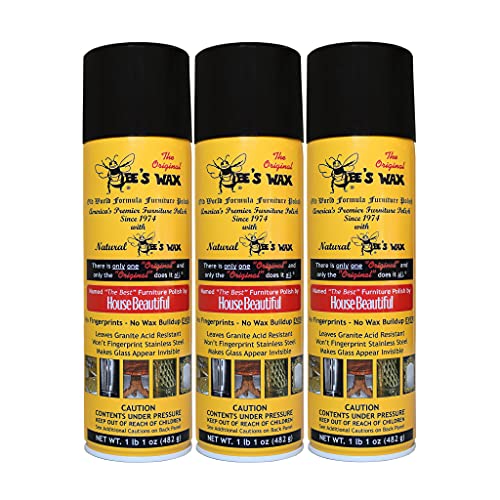

After application, allow the wax to sit for a few minutes to let it penetrate the wood fibers. Then, buff the surface with a separate soft cloth, applying moderate pressure to achieve a satin sheen. This final step not only highlights the natural grain but also provides a protective barrier against moisture and wear.
For maintenance, repeat this process every few months or when you notice the finish dulling. Regular care with natural products will help preserve the integrity and appearance of your cherished wooden items for years to come.
Application of Natural Wax on Wood Surfaces
For optimal results, I begin by ensuring the surface is clean and free of dust or old finishes. A damp cloth usually suffices for this task. Next, I take a small amount of wax using a soft, lint-free cloth or a dedicated applicator pad, applying it in circular motions. This technique allows for even coverage and helps the wax penetrate the material effectively.
Buffing the Surface
After allowing sufficient time for the wax to dry–usually about 10 to 15 minutes–I proceed to buff the surface using a clean cloth. I employ a firm yet gentle pressure, ensuring a polished finish. Regular buffing enhances the sheen and durability, making the surfaces more resistant to wear.
Frequency of Application
I recommend reapplying the wax every 3 to 6 months, depending on usage and exposure to elements. A light touch-up can be applied more frequently, especially in high-contact areas, to maintain the appearance and protection of the wood.
Choosing the Right Beeswax Product for Your Furniture
Look for a product with a high percentage of pure wax, ideally between 90% and 100%. The higher the purity, the better the protection and shine it provides. Check for natural additives like oils or essential oils, which can enhance the application and drying process.
Examine the consistency of the wax. A softer blend, like a paste, is easier to apply and can penetrate better into the wood, while a firmer wax may offer a thicker protective layer. Depending on the desired finish, a softer product can provide a more natural luster.
Consider the intended use; some formulations are designed specifically for high-traffic pieces versus decorative items. A product labeled for heavy use offers added durability and resistance against wear.
Eco-friendliness matters. Opt for brands that pledge sustainability, promoting ethical sourcing practices. Certifications from recognized eco-organizations can assure you of a product’s environmental friendliness.
Lastly, test any new product in an inconspicuous area to assess compatibility with your surface. This prevents unexpected reactions and allows you to see if the finish aligns with your expectations before full application.
Preparing the Surface Before Applying Beeswax
Begin with a thorough cleaning of the item. Use a damp cloth to remove dirt and dust. Ensure no residues are left, as these can affect adhesion.
If the surface is old or previously finished, consider sanding it lightly. This step enhances the grip for the upcoming layer. Use fine-grit sandpaper, moving in the direction of the grain. Dust off the surface again to remove any sanding debris.
In cases of stubborn stains or layers of old products, a solvent may be necessary. Test this on a small, inconspicuous area first. If successful, apply to the entire surface with a soft cloth, following the manufacturer’s instructions.
Once cleaned and dried, check for any imperfections. Fill cracks or holes with wood filler, and let it cure as specified on the packaging. Afterward, sand the filled areas until they are smooth and level with the rest of the surface.
For a final touch, wipe the entire piece with a tack cloth. This helps eliminate any last residues, ensuring a clean canvas for treatment.
By meticulously preparing the surface, I create an optimal foundation for the protection and enhancement process ahead.
Tools Needed for Applying Beeswax Properly
For an optimal application experience, gather the following tools:
- Soft Cloths: Choose lint-free cotton or microfiber cloths. These are excellent for even distribution and avoiding streaks.
- Cheesecloth: Ideal for applying and buffing the wax, this fabric allows for fine control over the amount used.
- Paint Brush: A wide, natural bristle brush works well for reaching crevices and larger areas, ensuring thorough coverage.
- Putty Knife or Spatula: Useful for scraping off excess wax. Opt for a plastic variety to avoid damaging the surface beneath.
- Rubber Gloves: Protect hands from residue and potential irritation when handling wax products.
- Sandpaper: Fine-grit sandpaper (320-400 grit) allows for a smooth surface before applying the finish, ensuring better adhesion and shine.
- Drop Cloth: Place this around your workspace to catch drips and prevent mess on the floor or surrounding areas.
- Cleaning Solution: A mild soap or wood cleaner helps remove dust and grime prior to application, ensuring the surface is perfectly prepped.
These tools will facilitate a smooth and effective application process. Ensuring each item is at your disposal will save time and enhance the quality of the final look.
Step-by-Step Application Process of Beeswax
I recommend working in a well-ventilated area to ensure safety and comfort during the application process.
1. Gather your materials: a soft cloth, the wax product, and a suitable applicator like a brush or sponge.
2. Take a small amount of the wax onto the applicator, ensuring it’s not overloaded. This prevents excessive buildup.
3. Apply a thin layer in the direction of the grain, allowing the natural texture of the surface to shine through.
4. Focus on evenly distributing the wax, starting from one corner and working your way to the opposite side. Keep the strokes light and consistent.
5. Allow the product to sit for about 10 to 15 minutes to enable it to penetrate the surface before buffing.
6. After waiting, use a clean, dry cloth to buff the area in circular motions. This enhances the shine and removes any excess material.
7. Inspect the finish closely. If additional coverage is needed, repeat the application process as necessary but ensure to keep it light.
8. Finally, allow the surface to cure for 24 hours before heavy use to ensure optimal results.
| Step | Action |
|---|---|
| 1 | Gather materials |
| 2 | Load applicator with wax |
| 3 | Apply in the direction of the grain |
| 4 | Ensure even distribution |
| 5 | Let it sit for 10-15 minutes |
| 6 | Buff with a clean cloth |
| 7 | Inspect and reapply if necessary |
| 8 | Allow to cure for 24 hours |
Buffing Techniques for a Smooth Finish
I prefer using a clean, soft cloth or a buffing pad made from natural fibers to achieve a polished surface. Microfiber cloths work exceptionally well; they reduce the risk of scratches while providing a gentle touch. When I start buffing, I make sure to work in a circular motion. This technique helps to evenly distribute the wax layer, enhancing its shine.
Applying Pressure
I adjust the pressure based on the surface condition. For areas requiring more refinement, I apply a bit more pressure. This action can help remove any excess product and improve the luster. Conversely, for softer woods or already smooth surfaces, light pressure ensures I don’t damage the finish. Keeping a consistent rhythm also aids in achieving uniformity across the entire area.
Timing and Technique
<p-Allow the wax to cure according to the product guidelines before buffing. I usually wait at least 20 minutes after application. After that, I meticulously check for any uneven spots. If necessary, I apply a second layer of wax and repeat the buffing process to reach an optimal shine. Regularly changing the section of the cloth allows for better results and prevents buildup. I always ensure to buff until I achieve that desired smoothness without any sticky residue left behind.
Maintaining and Reapplying Natural Wax Over Time
Regular inspections are necessary to identify areas where protection has worn thin. I check surfaces every few months for signs of dullness or unevenness in sheen. If I notice these indicators, it’s time to refresh the layer of protective coating.
For routine upkeep, I recommend using a soft cloth to wipe down surfaces. This removes dust and grime without damaging the existing layer. If deeper cleaning is needed, a mixture of mild soap and water is sufficient. After cleaning, ensure the surface is thoroughly dried before applying any fresh coating.
Reapplication Frequency
The frequency of reapplication varies based on use. High-traffic areas need attention every few months, while less utilized items can wait a bit longer, perhaps every six months or annually. An important tip is to apply the wax in thin layers; this allows for better adhesion and prevents buildup.
Signs that Reapplication is Needed
Fading gloss or patchy areas indicate it’s time for another coat. I always follow the touch test: if the surface feels rough or dry to the touch, it’s a sign that a new layer is needed. This simple approach helps in prolonging both the beauty and longevity of the wood.
Common Mistakes to Avoid When Using Beeswax
Not testing on a small area first can lead to undesirable results. Always apply the product to an inconspicuous spot to examine how the surface reacts.
Overapplying is another frequent error. A thin layer is more effective; excess can result in a sticky or uneven finish. I aim for a uniform application, which enhances durability.
Skipping surface preparation diminishes effectiveness. Dust, dirt, and old finishes should be completely removed to ensure proper adhesion and optimal results.
Using the wrong tools can impact the finish. I prefer natural bristle brushes or lint-free cloths, as these offer better control and minimize streaks.
Neglecting ventilation is critical. I always ensure my workspace is well-ventilated to avoid inhaling fumes and to promote a quicker drying process.
Not allowing adequate curing time results in a compromised finish. I wait at least 24 hours before buffing or using the item to achieve the best outcome.
Failing to maintain the applied coat can lead to wear and reduce longevity. Regular reapplication keeps surfaces looking great and protects against damage.


