
 Caleb Turner
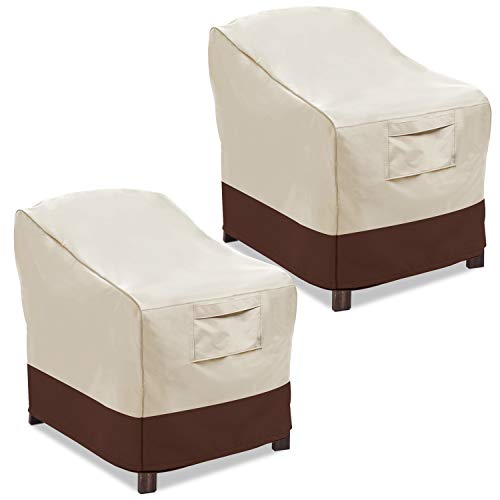
To effectively shield outdoor seating elements from moisture, I recommend utilizing custom-fit covers designed for each piece. These covers not only prevent water accumulation but also block harmful UV rays that can cause fading over time. They are typically made from breathable materials to minimize condensation buildup underneath.
In addition to using covers, consider storing cushions and pillows indoors during inclement weather. This practice not only keeps them dry but also extends their lifespan, as excessive exposure to moisture can lead to mold and mildew formation. If storage isn’t feasible, invest in waterproof storage bins that can be secured outside.
Applying a water-repellent treatment to wooden and metal surfaces can add an extra layer of defense. These treatments create a barrier against moisture absorption, decreasing the risk of warping or rust. Regular maintenance, including cleaning and reapplying the treatment as needed, keeps materials in prime condition.


Lastly, positioning outdoor elements strategically can significantly reduce water exposure. Elevating furniture slightly and ensuring proper drainage around the area will help prevent standing water, further safeguarding your seating arrangements. Each of these steps contributes to maintaining the integrity and appearance of your outdoor setup.
How to Safeguard Outdoor Seating from Wet Conditions
Utilize weather-resistant covers tailored to the specific shapes and sizes of your outdoor seating. These should be breathable to prevent moisture buildup and allow airflow, reducing the risk of mold and mildew.
Consider storing items in a dry, sheltered area during inclement weather. If space is limited, use storage solutions that elevate pieces off the ground to avoid water pooling.
Applying a protective sealant to wooden structures creates a barrier against moisture absorption. Regularly check for any wear and reapply as needed, ensuring a consistent level of defense.
For metal elements, a rust-resistant paint can act as a shield against corrosion. Inspect for any scratches and promptly repaint to maintain a protective layer.
Utilize cushions and pillows made from quick-dry materials. If possible, bring them indoors or into a protected area when not in use.
Regular upkeep, such as cleaning and inspecting for damage, ensures longevity. Maintaining a routine schedule will help identify potential issues before they escalate.
Selecting Weather-Resistant Materials for Your Furniture
Choosing materials designed to withstand moisture is paramount for longevity. Consider the following options:
- Aluminum: This lightweight metal resists rust and corrosion. Look for powder-coated finishes for additional protection against elements.
- Teak: Renowned for its natural oils, teak is an excellent choice as it repels water and resists decay. Require proper maintenance, such as oiling, to enhance its life.
- Marine-Grade Stainless Steel: This type of stainless steel is specifically built to endure harsh outdoor conditions, resisting rust and oxidation.
- High-Density Polyethylene (HDPE): Ideal for outdoor environments, this plastic is UV-resistant and won’t fade or crack over time.
- Wicker and Rattan (Synthetic): Select synthetic versions made from resin for durability against moisture. Natural variants absorb water, leading to deterioration.
Textiles and Cushioning
For cushions and upholstery, opt for materials that are both water-resistant and UV-protected:
- Solution-Dyed Acrylic: This fabric stands up to fading and mildew, making it a top choice for outdoor cushions
- Polyester Blends: Look for blends that feature treatments for water resistance. These fabrics often mimic the softness of natural fibers.
Finishes and Treatments
Applying a protective finish can enhance the durability of wooden pieces:
- Marine Varnish: Ideal for wood, it provides a tough, waterproof layer.
- Sealants: Utilize sealants to repel moisture and prevent grain from swelling or rotting.
Incorporating these materials and treatments ensures that outdoor seating and dining elements maintain their quality despite exposure to wet weather. Regular maintenance combined with the right material selection preserves both aesthetics and functionality over time.
Using Furniture Covers to Shield Against Rain
Investing in quality covers prevents moisture-related damage effectively. Look for options made from water-resistant materials, such as polyester or vinyl. Ensure the covers have reinforced seams to withstand heavy downpours and resist wear over time.
Select covers that fit snugly, minimizing the likelihood of wind dislodging them. Adjustable straps or elastic hems can provide a more secure fit, maintaining coverage even in gusty conditions.
Avoid using plastic sheets; they can trap moisture underneath, leading to mold growth. Instead, breathable covers allow air circulation while still keeping precipitation out.
Consider reflective materials to protect against UV rays and fading caused by prolonged sun exposure. Some covers even feature added insulation for chillier months, which can help preserve the integrity of materials.
Regularly inspect covers for wear and tear, replacing them as needed. Investing in durable options will pay off in the long run, keeping outdoor settings looking pristine regardless of the weather challenges faced.
Implementing Proper Storage Solutions During Rainy Seasons
Consider utilizing a dedicated shed or storage box to keep outdoor seating safe during wet weather. Opt for a design that allows for easy access, ensuring items can be quickly stored or retrieved as needed.
Prioritize weather-tight containers that can prevent moisture accumulation, safeguarding materials from long-term damage. Labels on boxes can also assist in organizing and locating each piece efficiently.
During heavy downpours, move items indoors if possible, especially those made from delicate materials. If indoor space is limited, elevate furniture on pallets or remove cushions to minimize contact with damp surfaces.
Evaluate additional options like tarps or waterproof bags for quick covering in emergencies. These solutions can withstand sudden storms and keep items secure temporarily.
Utilize hooks or racks to suspend smaller accessories off the ground, minimizing their exposure to water and enhancing airflow. Secure large tables or benches with straps during particularly windy rains to prevent displacement.
Maintaining and Cleaning Furniture to Prevent Water Damage
Regular cleaning with a mild soap solution effectively removes dirt and grime, minimizing moisture retention. I recommend using a soft brush or sponge to avoid scratches, particularly on delicate surfaces. Rinse thoroughly with clean water to prevent soap residues.
I utilize a specialized mildew remover on fabric materials and wooden components, treating areas that show early signs of mold or mildew immediately. This practice hinders further growth and protects against decay.
Wipe down metal frames with a damp cloth, ensuring to dry them properly afterwards. This step prevents rust from forming, especially if the metal is uncoated or has scratches. I apply a rust-inhibiting spray for added protection.
Inspect joints and connections regularly. I tighten any loose screws or bolts, maintaining structural integrity and preventing water infiltration. Applying a waterproof sealant on wooden surfaces creates a barrier against moisture.
It’s beneficial to apply a UV protectant on surfaces exposed to sunlight, extending their lifespan while reducing fading and cracking caused by weather variations. I schedule these maintenance checks at least every few months, especially before the onset of rainy seasons.
Utilizing Patio Umbrellas for Additional Protection
Investing in sturdy umbrellas can create significant shielding against precipitation for outdoor seating arrangements. When selecting an umbrella, consider the following:
- Size: Ensure the diameter of the umbrella adequately covers all exposed areas of the seating to minimize water exposure.
- Height: Choose adjustable models that allow for height adjustments to ensure optimal coverage rain or shine.
- Material: Look for water-resistant canopies made from durable fabrics like polyester or olefin which repel moisture.
- Stability: Secure the umbrella with a heavy base or sandbags to withstand wind gusts.
Placement Strategies
Positioning plays a vital role in maximizing the umbrella’s utility:
- Aim for strategic locations that align with wind direction to minimize drenching of nearby items.
- Use multiple umbrellas to cover larger areas or separate zones, ensuring all seating is sheltered.
- Adjust the angle throughout the day to maintain effective coverage as the sun path changes.
Routine assessment of the umbrella’s condition is crucial. Regularly inspect the fabric for wear and the frame for stability to prolong its lifespan and effectiveness. Proper utilization of umbrellas not only enhances protection but also elevates the outdoor aesthetic.
Applying Waterproofing Treatments for Extra Defense
Investing in quality waterproofing solutions significantly enhances protection for outdoor seating and tables. I recommend using a high-quality waterproof spray, specifically formulated for the material of the items. Before applying, ensure surfaces are clean and dry to maximize adhesion.
Step-by-Step Application
Follow these steps for optimal results:
- Clean the surface thoroughly with mild soap and water.
- Rinse and allow it to dry completely.
- Shake the spray canister well before use.
- Apply in light, even coats, holding the spray can approximately 6-12 inches away from the surface.
- Let it dry as per the manufacturer’s instructions, generally around 24 hours.
Recommended Waterproofing Products
Here’s a comparison of some popular options:
| Product Name | Type | Drying Time | Coverage Area |
|---|---|---|---|
| Scotchgard Fabric & Upholstery Protector | Aerosol Spray | 2 hours | 60-100 sq ft |
| Atsko Silicone Water-Guard | Liquid Spray | 24 hours | 12-20 sq ft |
| Rust-Oleum NeverWet | Dual-Action Spray | 24 hours | 15-20 sq ft |
Reapply waterproof treatments every season or after extended exposure to moisture. Regular maintenance ensures durability and functionality, keeping items in prime condition throughout various weather conditions.


