Caleb Turner

Using a walnut half, I gently rub over the affected area. The natural oils in the nut help conceal minor imperfections, providing a nearly invisible touch-up. It’s a straightforward approach that requires little more than some patience and a few minutes of my time.
For deeper blemishes, I recommend a mixture of equal parts vinegar and olive oil. Applying this blend with a soft cloth not only nourishes the grain but can also diminish the appearance of more stubborn marks. After application, I allow it to sit for around 30 minutes before buffing it lightly to bring out the shine.


In case of gouges, wood filler can be highly effective. After thoroughly cleaning the area, I apply the filler with a putty knife, ensuring it’s level with the surface. Once it dries, a light sanding is often necessary to create a seamless finish. The final step usually involves matching the stain to blend it perfectly with the surrounding area.
Repairing Indentations and Marks on Wooden Surfaces
Utilizing a damp cloth, I apply heat from an iron at a low setting over the affected area covered with the cloth. This method helps the wood fibers swell back into their original position. I leave the cloth in place for a few seconds, checking periodically until the mark diminishes.
Using Wood Filler for Deeper Imperfections
For deeper issues, I select a wood filler that matches the finish of the surface. After cleaning the area, I use a putty knife to apply the filler, smoothing it evenly. Once it dries, I sand it lightly with fine-grit sandpaper to ensure a seamless blend with the surrounding areas.
Staining and Refinishing
If marks remain visible, a matching stain can help restore the appearance. I carefully apply the stain with a soft cloth, blending it into the surrounding wood. For a more comprehensive approach, refinishing the entire section may be necessary, allowing for a consistent look across the piece.
Assessing the Damage: Identifying Dents and Scratches
Begin by closely examining the surface. Look for any variations in texture or glossiness; this often indicates an issue beneath the finish. Use your fingertips to feel for unevenness. If it’s a notable dip or groove, mark the area for reference.
Next, identify the type of imperfection:
- Light Marks: These may appear as superficial blemishes, usually caused by contact with hard objects.
- Deeper Indentations: These usually penetrate more layers of the surface material and may require more intensive repair.
- Discoloration: This may be due to moisture damage or exposure to sunlight. It can appear as white spots or faded areas.
Take photographs for documentation, as they can help track progress or highlight multiple issues during repairs. If possible, gently clean the area to see if the blemish is removed; sometimes, dirt can amplify the appearance of damage.
Finally, assess the surrounding area for any related damage, such as loose joints or frayed edges, which could indicate further underlying problems. Identifying these factors early can prevent complications down the line.
Choosing the Right Repair Method for Wood Dents
Identifying the appropriate technique depends on the severity and location of the damage. For shallow indentations, moisture can often restore the surface. Dampen a cloth and place it over the mark, applying heat with an iron for a few seconds. This can cause the fibers to swell and regain their original form.
Common Repair Techniques
For deeper impressions, consider using wood filler. Choose a shade that closely matches the grain of your piece. After application, sand the area smooth once dry, then finish with a sealer or polish. For minor abrasive marks, try using a walnut or a commercial scratch-removing product–both can help blend the area back into the surrounding finish.
| Method | Best For | Steps |
|---|---|---|
| Steam Method | Shallow indentations | Dampen cloth, place over dent, apply heat with iron. |
| Wood Filler | Deep indentations | Apply filler, sand smooth, seal and polish. |
| Walnut Rub | Surface abrasions | Rub nut over mark to blend. |
| Scratch Remover | Light surface scratches | Apply product as per instructions. |
Choosing Wisely
Your choice must align with the nature of the blemish and the finish of the piece. Test any method on an inconspicuous area first. This ensures compatibility and avoids further damage.
Using Steam to Restore Indentations in Timber
To effectively employ steam for removing compressions in timber surfaces, gather a clean cloth, an iron, and a few minutes of your time. Moisten the cloth slightly and place it over the affected area. Heat the iron on a low setting, ensuring it does not come into direct contact with the wood. Gently press the iron onto the cloth for about 10 to 15 seconds. The moisture will permeate the fibers, allowing them to expand and gradually elevate to their original position.
Repeat if Necessary
If the initial attempt does not yield satisfactory results, repeat the steaming process. Be cautious with the duration of heat application to prevent damage. A few cycles may be required for deeper impressions, so patience is key.
Final Touches
After achieving the desired outcome, allow the surface to cool. Depending on the finish used on the timber, a light application of wax or polish may enhance the appearance and restore luster. Always test any product on a hidden area first to ensure compatibility.
Applying Wood Filler to Fix Deep Scratches
Begin with cleaning the affected area using a soft cloth to remove dust and debris. Choose a high-quality wood filler that matches the color of your item. If uncertain, a sample can help in color matching.
Use a putty knife to apply the filler directly into the scratch. Press firmly to ensure it fills the void completely. Smooth the surface with the knife, removing any excess material. Allow the filler to dry as per the manufacturer’s guidelines; this usually takes several hours.
| Step | Action |
|---|---|
| 1 | Clean the area thoroughly. |
| 2 | Select the appropriate color of filler. |
| 3 | Apply filler using a putty knife. |
| 4 | Smooth out any excess material. |
| 5 | Allow sufficient drying time. |
Once dried, use fine-grit sandpaper to gently smooth the repaired area, blending it seamlessly with the surrounding surface. Finish with a matching stain or sealer to protect and enhance the appearance.
Matching Wood Stain for Scratch Repair
Identifying the correct tone for touch-ups is crucial. I recommend gathering several stain samples that closely resemble the piece’s original finish. Apply small amounts on an inconspicuous area and allow them to dry to observe the dried hues and sheen.
Test Before Applying
Before applying any stain to the affected areas, always conduct a test. This ensures the selected shade matches well with the surrounding finish. Use a cotton swab or cloth to dab the stain on, allowing it to penetrate for a few minutes, then wipe off the excess for a subtle look.
Blend Techniques
When working with lighter shades, blending multiple stains can create a more natural appearance. I often mix small amounts of different colors directly in my container to achieve the desired outcome. For deeper tones, a touch of darker stain can enhance depth and camouflage the area effectively.
After applying the matching stain using a soft brush or cloth, let it dry completely. If necessary, I layer additional coats gradually to match the sheen perfectly. Finalize the process with a furniture polish, restoring the overall glow and ensuring the repair integrates seamlessly.
Techniques for Buffing and Polishing Scratches
Begin by selecting a high-quality microfiber cloth. This material prevents further abrasion on the surface while effectively buffing the area.
For minor marks, I use a gentle rubbing compound. I apply a small amount to the cloth and rub it in a circular motion. This technique gradually minimizes the visibility of imperfections.
- Ensure the area is clean before applying any product.
- Use consistent pressure; too much can damage the finish.
If the defect persists, I opt for a fine-grit sandpaper (around 320-grit). Lightly sand the region around the blemish, blending it with the surrounding area. After sanding, wipe the dust away with a damp cloth.
Next, I employ a wood polish or wax specifically formulated for my item’s finish. I apply it with another clean microfiber cloth, moving in the direction of the grain. This not only smoothens the surface but also imparts a protective layer.
- Apply a small amount of polish to the cloth.
- Focus on one section at a time to avoid drying before buffing.
- Buff until a desired shine appears.
Regular maintenance helps maintain the appearance. Periodically buffing the entire surface can prevent deeper issues from arising.
Sealing and Protecting Repaired Areas
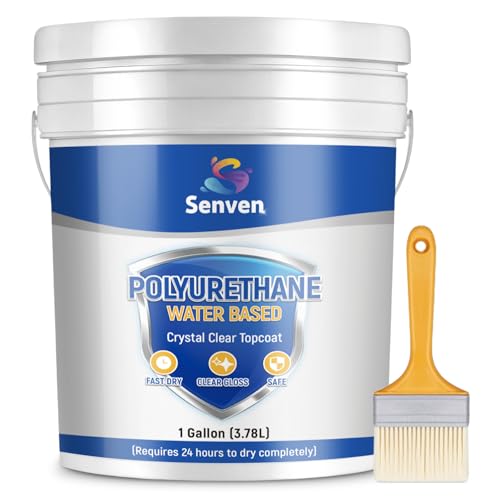
To ensure lasting results after restoration, applying a quality sealant is crucial. After my repairs are completed, I choose a polyurethane or varnish suitable for the type of finish on the piece. These products create a durable layer that protects against moisture, wear, and potential scratches.
Application Steps
I start by lightly sanding the repaired area, blending it with the surrounding finish. This helps the sealant adhere properly. I clean away any dust using a microfiber cloth, ensuring a smooth application. Using a brush or cloth, I apply the sealant evenly, taking care not to create drips or bubbles. I then let it dry according to the manufacturer’s instructions.
Final Touches
Once the sealant is dry, I can assess if an additional coat is necessary for enhanced protection. If the surface feels rough, I’ll lightly sand it again before applying another layer. This process not only strengthens the repaired section but also helps maintain the overall aesthetic of the original piece.
DIY vs Professional Repair: When to Call an Expert
If the issue seems minor, like light marks or superficial flaws, I often try a DIY approach first. Simple methods like buffing or using wax can work wonders. However, substantial imperfections, especially those penetrating the finish, can require a trained touch. For complex tasks, especially if a cherished piece is involved, consulting an expert is prudent.
Consider time and skill level. If I lack confidence or the required tools, engaging a specialist could save frustration and further damage. Additionally, specialized repairs, such as color matching or intricate refinishing, are best left to qualified individuals. In cases where I encounter rare or antique pieces, professional assessment ensures preservation of value and integrity.
Budget constraints often influence the decision. DIY is generally cost-effective, but I weigh the value of my time against potential mistakes. If a simple task spirals into a larger concern, it might end up costing more in the long run.
Ultimately, assessing personal skill level, project complexity, and value of the item is key. A mix of both DIY and professional assistance can yield the best outcome, depending on the situation. Engaging an expert for significant repairs gives peace of mind, knowing the restoration will be handled expertly.
Preventive Measures to Avoid Future Damage
Regular maintenance is key to preserving the integrity of your surfaces. I recommend following these guidelines:
- Use Coasters: Always place coasters under beverages to prevent moisture rings and heat damage.
- Avoid Direct Sunlight: Position items away from direct sunlight to minimize fading and warping.
- Employ Protective Pads: Attach felt pads under decorative items and electronics to prevent scratches from movement.
- Clean with Care: Use a soft cloth and mild cleaner. Avoid abrasive materials that can cause surface damage.
- Humidity Control: Maintain a stable humidity level in your home to prevent the wood from swelling or shrinking.
- Regular Inspections: Periodically check for signs of damage. Early detection allows for easier repairs.
- Limit Excessive Weight: Distribute weight evenly and avoid overloading shelves or surfaces to reduce stress on the material.
By implementing these strategies, I can greatly reduce the likelihood of future harm and maintain the beauty of my furnishings.