Caleb Turner
Applying a high-quality waterproof coating is a practical step to fortify your upholstery against moisture. This treatment forms a barrier, effectively repelling rain and spills, which helps in maintaining the integrity of the material. Consider reapplying this coating every season for optimal results.
Storing your soft coverings indoors during adverse weather or when not in use can significantly prolong their lifespan. Utilizing protective covers when the items are left outside serves as an additional measure to shield against dust, dirt, and UV rays.


Regularly brushing off debris and spills promptly will prevent staining and deterioration. A mild soap solution and a soft brush can assist in maintaining cleanliness without harsh chemicals that may compromise the material. Always rinse thoroughly and allow to air dry to avoid moisture accumulation.
Choosing a colorfast option is wise for outdoor textiles, as it minimizes fading due to sun exposure. Additionally, fabrics treated with UV inhibitors provide greater resistance to harsh rays, ensuring your pieces retain their original appearance longer.
How to Shield Your Outdoor Upholstery
Choose a high-quality protective spray specifically designed for textiles. Applying this before the first use creates a barrier against water and stains. Reapply it every season for best results.
Utilize furniture covers made from breathable materials when not in use. This prevents dust accumulation and shields against precipitation, extending the lifespan of your textiles.
Routinely clean the material according to the manufacturer’s guidelines. Regular maintenance, such as vacuuming and spot cleaning, minimizes grime buildup and keeps colors vibrant.
Position your seating in shaded areas to reduce sun exposure. UV rays can cause fading and material breakdown, so consider umbrellas or awnings as protective measures.
Incorporate cushions with fade-resistant dyes. This ensures that even with exposure to sunlight, the colors remain rich and vibrant, providing long-lasting appeal to your space.
Store cushions indoors during harsh weather conditions. This simple action can prevent wear from rain, snow, and extreme heat, preserving the integrity of the materials.
Choose the Right Fabric for Outdoor Use
Opt for materials known for their durability and resistance to weather conditions, such as solution-dyed acrylic or polyester blends. These fabrics are designed to withstand fading, water, and mildew while maintaining color vibrancy.
- Solution-Dyed Acrylic: Offers UV resistance and is less likely to fade over time.
- Marine-Grade Vinyl: Excellent for complete water resistance, commonly used in boat covers.
- Textilene: This mesh fabric is both breathable and resistant to mold, mildew, and tearing.
It’s vital to consider the fabric weight as well; heavier fabrics tend to be more durable under harsh conditions.
Maintenance and Care
Choose materials that are easy to clean and maintain. Look for ones that can be wiped down with soap and water or machine washed for convenience.
Color and Pattern Choices
Selecting darker colors or patterns can help mask stains and fading, making them more practical in the long run. Light colors may need more frequent cleaning and can show wear faster.
Regularly Clean Fabric Surfaces
I recommend establishing a routine for cleaning textile surfaces every few weeks. Use a soft brush or a vacuum with a brush attachment to remove dust and debris, which can cause stains over time.
For deeper cleans, mix mild soap with water and apply it using a soft sponge. Avoid harsh chemicals as they can degrade the fibers and colors. Rinse thoroughly with clean water to remove any soap residue, which can attract dirt if left behind.
Spot treat stains immediately with a gentle cleaner suitable for the material. Blot the area rather than rubbing it, as this can help prevent the stain from spreading. Always test any cleaning solution on a small, hidden area first to ensure it won’t cause discoloration.
After cleaning, allow the surfaces to dry completely in a shaded area. Sunlight can fade colors and weaken fibers. Regular maintenance not only enhances appearance but extends the lifespan of these textile pieces.
Apply Protective Coatings and Sprays
I recommend selecting a high-quality water-repellent spray or a UV-blocking coating specifically designed for textiles. These products create a barrier against moisture and sunlight, extending the lifespan of the material. Ensure the surface is clean and dry before application for optimal adhesion.
Steps for effective application:
- Choose a day with no rain in the forecast for at least 24 hours.
- Shake the canister well to mix the contents thoroughly.
- Hold the spray nozzle approximately 6-12 inches away from the surface.
- Apply in even strokes, ensuring complete coverage without saturating any area.
- Allow the first coat to dry completely, then apply a second coat for enhanced protection.
For added resilience, consider using a fabric sealer that forms a protective layer against stains. Test any product on a small, inconspicuous area first to ensure compatibility. Reapplication may be necessary after several months, especially if exposed to harsh weather or frequent use.
Be vigilant about checking for signs of wear after prolonged exposure. Early intervention can minimize damage and prolong the lifecycle of your outdoor accessories.
Utilize Furniture Covers When Not in Use
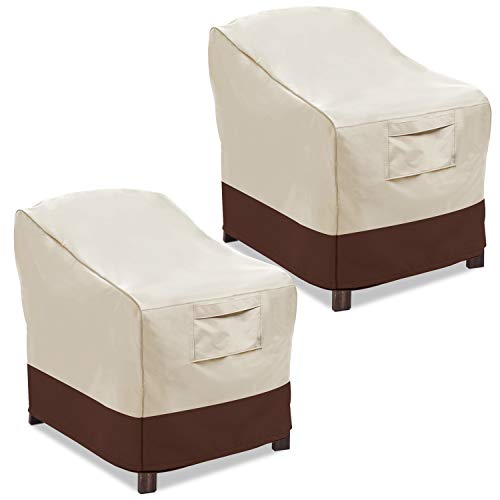
Investing in high-quality covers is essential for keeping your patio pieces in prime condition. Select materials that are breathable and water-resistant to reduce moisture build-up and prevent mold growth.
Choosing the Right Covers
Measure each item accurately to ensure a snug fit. Covers should fully enclose the pieces, protecting them from UV rays, rain, and dirt. Avoid using plastic covers, as they can trap heat and humidity, leading to fabric degradation. Look for options with drawstrings or straps that secure the cover against wind.
Regular Maintenance of Covers
To maximize longevity, regularly clean the covers according to the manufacturer’s instructions. Check for any signs of wear or damage, and replace any that show significant deterioration. Storing the covers in a dry area when not in use helps prevent mildew and ensures they’re ready when the season comes back around.
| Cover Material | Benefits |
|---|---|
| Polyester | Durable, water-resistant, breathable |
| Canvas | Strong, long-lasting, natural feel |
| Vinyl | 100% waterproof, easy to clean |
Using covers not only extends the lifespan of your outdoor pieces but it also saves time on cleaning and maintenance in the long run. Keep your items well-protected during idle periods for maximum enjoyment when it’s time to use them again.
Store Furniture in a Dry, Covered Area
To extend the life of my patio seating and cushions, I make it a priority to store them in a dry, sheltered place during harsh weather or off-season. A dedicated shed or garage works well, ensuring that moisture and pests stay away. If an indoor space isn’t available, I utilize a waterproof tarp to cover my items securely, preventing rain and snow exposure. Keeping everything elevated on pallets or shelves minimizes direct contact with the ground, reducing dampness risk. This simple step greatly decreases the wear and tear on upholstery materials.
Avoid Direct Sunlight Exposure
I recommend positioning your seating arrangements under shaded areas, such as umbrellas or awnings, to significantly reduce direct sunlight hitting the textile surfaces. This simple strategy minimizes fading and degradation caused by harmful UV rays.
Time Management
Be mindful of the timing when you plan outdoor gatherings. Early morning or late afternoon sunlight is less intense, making these periods ideal for enjoying the outdoors without subjecting your seating materials to harsh conditions.
Utilization of Plant Life
Incorporating greenery like trees or tall shrubs can create natural barriers against sunlight. Not only do they enhance aesthetics, but they also provide valuable shade that prolongs the lifespan of your seating materials.
Utilize these strategies to maintain the look and quality of your textiles, ensuring they remain vibrant and durable over time.
Address Stains Promptly and Properly
I always act quickly when I notice any spills or marks on my outdoor seating materials. First, I have a designated cleaning solution ready, usually a mild soap mixed with warm water. For most stains, I apply this solution to a clean cloth and gently blot the area, avoiding any vigorous scrubbing that could damage the surface.
If I encounter tougher spots, like grease or food residues, I might use a soft-bristle brush to assist in lifting the stain, making sure to test in an inconspicuous area first. For organic stains such as wine or coffee, I find that acting immediately yields the best results; I sprinkle salt onto the spot to absorb excess liquid before applying my cleaning mix.
Once I’ve treated a stain, I rinse the area well with clean water to remove any soap residue, as leftover cleaning products can attract dirt. Drying the section completely is crucial; I typically dab it with a towel and leave it in a well-ventilated area. Keeping these materials in top shape requires vigilance, but the effort pays off in the longevity and appearance of my outdoor upholstery.
Inspect and Maintain Hardware and Upholstery
Regular inspection of the structural components is essential. I check screws, bolts, and brackets for any signs of rust or looseness, tightening them as needed to ensure stability. Metal and wooden connectors should be assessed for wear, with replacements made if any damage is noted.
Upholstery Care
For the upholstery, I examine seams and stitching for fraying or damage. Any worn areas should be repaired quickly to prevent further deterioration. I also pay attention to zippers and fasteners, ensuring they function smoothly to extend the lifespan of the coverings.
Cleaning Techniques
While maintaining the hardware, I also focus on cleaning methods for the upholstery. I utilize a vacuum with a soft brush attachment to remove dirt and debris without damaging the fibers. Spot cleaning with suitable, non-toxic cleaners helps eliminate stains before they set in. I take care to test any cleaning solution on an inconspicuous area first to avoid discoloration.