
 Caleb Turner

Regularly applying a specialized protector designed for soft textiles can significantly enhance stain resistance. I always choose products that create a barrier against spills without altering the appearance of the fibers. This simple step can save hours of cleaning in the future.
For immediate cleanup, I keep a set of microfiber cloths handy. Spills should be addressed right away by gently blotting the area rather than rubbing it, which could push the liquid deeper into the fibers. I find that using distilled water helps prevent any mineral residue from tap water.
Incorporating a routine vacuuming schedule using an upholstery attachment is beneficial to remove dust and dirt that can accumulate. I make it a habit to do this weekly to maintain the integrity of the fabric. Additionally, every few months, I lightly brush the surface to keep the fibers standing tall.
Lastly, positioning furnishings away from direct sunlight is crucial. UV rays can cause fading and weaken the material over time. I’ve seen a noticeable difference after adjusting the layout to minimize sun exposure.
Protecting Your Upholstery
For safeguarding your textiles, consider a specialized spray designed for fabric care. Apply it evenly across the surface, following the manufacturer’s instructions to establish a barrier against spills and stains.

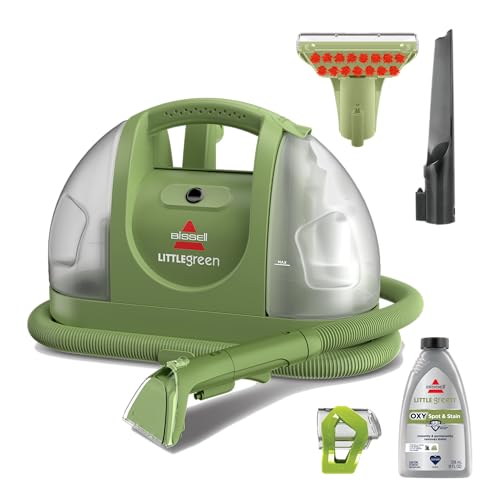

- Test the spray on a discreet area first to ensure compatibility.
- Reapply regularly, especially after deep cleaning or exposure to moisture.
To prevent frequent cleaning, address spills immediately. Blot the liquid gently with a clean cloth, working from the outside in to minimize spreading.
- Use a microfiber cloth for best absorption.
- Avoid rubbing, as it can damage the fibers.
Establish a routine maintenance schedule. Vacuum your pieces weekly using an upholstery attachment. This removes dust and debris, extending the lifespan of the weave.
- Adjust the vacuum nozzle to avoid snagging.
- Consider a soft brush for surfaces that attract pet hair.
Arrange your seating strategically. Place away from direct sunlight to prevent fading and heat damage. Using breathable covers when not in use offers additional shields against dust and pet hair.
- Choose light colors to reduce the visibility of stains.
- Rotate cushions regularly to promote even wear.
Lastly, educate everyone in your home about proper care to ensure longevity for your upholstery. Involving family and guests in maintaining the cleanliness fosters a shared sense of responsibility.
Choose the Right Cleaning Products for Microfiber
I recommend using cleaners specifically formulated for synthetics. Look for pH-neutral formulas, as they won’t damage the fibers while effectively removing stains.
Before applying any product, test it on a small, inconspicuous area. This step ensures that the cleaner won’t discolor or harm the fabric.
For spot cleaning, opt for a gentle solution like a mix of water and white vinegar or a small amount of dish soap. Use a soft cloth or sponge to apply the solution, avoiding harsh scrubbing to maintain the fabric’s integrity.
Avoid using bleach or ammonia-based cleaners, as they can degrade the fibers and lead to discoloration. Fabric protectors can also be beneficial; choose those that won’t leave behind a sticky residue.
In summary, select cleaners specifically designed for synthetic materials, perform patch tests, and use gentle solutions. This careful approach will keep your items looking pristine for years.
Avoiding Excessive Moisture When Cleaning
I recommend using a damp cloth rather than soaking it. This approach minimizes moisture and reduces the risk of damage. When cleaning, ensure the cloth is only slightly wet; excess liquid seeps into the fabric, causing stains and promoting mold growth.
To maintain optimal dryness, my cleaning technique involves blotting instead of scrubbing. I gently dab the stained area, absorbing the liquid without pushing it further into the fibers.
If an area requires deeper treatment, I suggest using a spray bottle to lightly mist the surface. This controlled application allows for targeted cleaning while preserving the integrity of the material.
After any cleaning process, it’s wise to allow adequate ventilation to expedite drying. I often place my item in a well-ventilated room or near a fan, which enhances air circulation and helps the fabric dry more quickly.
Lastly, always check for manufacturer guidelines specific to the type of upholstery in question. Following these directions can provide additional insights on moisture levels and cleaning methods tailored to the fabric’s particular needs.
Regular Maintenance Tips for Microfiber Furniture
I vacuum my upholstered pieces weekly, using a soft brush attachment to remove dust and debris without damaging the fabric. This simple step keeps the fibers clean and helps maintain their original appearance.
I tackle spills immediately by blotting the area with a clean, dry cloth. I avoid rubbing, as this can cause stains to set deeper into the material. For stubborn marks, I opt for a gentle soap solution on a damp cloth, testing it first on an inconspicuous area.
I recommend rotating cushions and pillows regularly to ensure even wear. This practice prevents specific areas from becoming flattened or discolored over time.
I maintain good airflow around the items by placing them away from direct sunlight or heat sources, which can lead to fading or drying out the fibers. This simple adjustment extends their longevity.
I keep a handheld lint roller handy. It efficiently removes pet hair or lint between deeper cleanings, preserving the fabric’s fresh appearance.
I schedule a deeper clean every few months, using a specialized upholstery cleaner designed for my specific fabric type. This frequency helps eliminate dirt that regular maintenance might overlook.
Strategies for Preventing Stains on Microfiber
Covering your seating with a protective throw or blanket is an immediate step I take. This barrier not only adds a decorative touch but also serves as a shield against accidental spills or stains. Choosing a color that complements the upholstery enhances its aesthetic without compromising maintenance.
Investing in a spray designed to repel liquids can significantly reduce stain occurrences. I select products specifically formulated for synthetic fabrics, ensuring they offer a reliable defense without damaging the fibers. Regular application creates an invisible shield that can withstand minor spills.
Implementing Designated Areas
I find it helpful to establish specific zones for eating or drinking. This limits the chances of accidents spreading across the entire surface. By using coasters and placing them strategically, I encourage guests to set down drinks responsibly, minimizing risks.
Immediate Response to Spills
The moment a spill occurs, my focus is on swift action. Blotting the area with a soft cloth absorbs the liquid before it has a chance to set. Rubbing may spread the mess, so I gently press down instead. Keeping extra cloths handy by the seating area has proven useful in these situations.
Utilizing Slipcovers to Shield Microfiber Sofa
Opt for tailored slipcovers that fit tightly over your couch to provide a protective barrier against everyday wear and tear. Choose materials that resist stains while being easy to clean, such as cotton or a blend that includes polyester.
Adjustable styles are beneficial as they allow for a snug fit. To secure the cover, use ties or straps that keep it in place, preventing it from slipping during use. Additionally, selecting slipcovers with patterns or colors can help disguise minor stains and scratches.
Regularly clean the slipcovers according to care instructions to maintain their protective qualities. This could involve machine washing or spot cleaning, depending on the material used. Make sure to check for any shrinkage or color fading after washing.
Consider layering with throws or blankets for added protection. This approach not only enhances the aesthetic appeal but also provides extra insulation against spills or pet hair.
| Feature | Benefit |
|---|---|
| Tailored Fit | Prevents slipping and enhances protection |
| Stain-resistant Material | Reduces risks of permanent stains |
| Easy Maintenance | Saves time and effort in cleaning |
| Layering Options | Enhances style while adding extra protection |
Regular assessment of the slipcovers for wear and tear ensures ongoing defense against potential damage. By incorporating these strategies, safeguarding your upholstery becomes a manageable task.
Best Practices for Vacuuming Microfiber Upholstery
I recommend using a soft brush attachment on your vacuum cleaner to avoid damaging the delicate fibers. This helps in effectively removing dirt and debris without causing wear.
Always make sure to vacuum in the direction of the fibers. This technique not only allows for a more thorough clean but also maintains the appearance of the material, preventing it from looking matted or worn.
Regularly vacuum at least once a week to prevent dust buildup. If you have pets, consider increasing this frequency to two or three times weekly to keep hair and allergens at bay.
Avoid using the vacuum’s beater bar, as it can snag and fray the fabric. Instead, focus on suction power during cleaning.
For crevices and tight spots, use the narrow nozzle attachment. This helps reach areas like seams and under cushions that accumulate dirt over time.
Incorporate periodic deep cleaning sessions into your maintenance routine. While vacuuming removes surface debris, deep cleaning ensures that trapped dirt and odors are eliminated, enhancing the overall freshness of the seating.
Addressing Pet Damage on Microfiber Items
Immediately treat any visible scratch or tear on your fabric. Evaluating the damage allows for timely and effective intervention.
For minor scratches, use a clean, damp cloth to gently rub the affected area in the direction of the fibers. This can help realign the fibers and minimize the appearance of the scratch.
If your four-legged friend has left a more significant mark or stain, consider these steps:
- Spot Cleaning: Mix a solution of mild dish soap and water. Dab the stain lightly with a cloth dipped in the solution, then blot with a dry cloth to absorb moisture.
- Dealing with Urine Stains: Blot the area immediately with paper towels. Apply a mixture of white vinegar and water to neutralize the odor. Blot until the stain dissipates.
- Fur Removal: Use a rubber glove to rub over the fabric; the static will attract the hair. A lint roller is also effective for a quick clean-up.
To prevent future incidents, establish boundaries for pets by designating areas where they can and cannot go. Training your pets to avoid these areas is beneficial over the long term.
Consider investing in fabric protectors designed specifically for textile types similar to yours, and reapply them according to the manufacturer’s recommendations. This can create an additional layer of defense against potential mishaps.
Inspect your upholstery regularly for any early signs of wear or damage to address them before they escalate.
In harsh cases, consulting a professional cleaning service that specializes in fabric restoration may be necessary to return your seating to its original condition.


