Caleb Turner
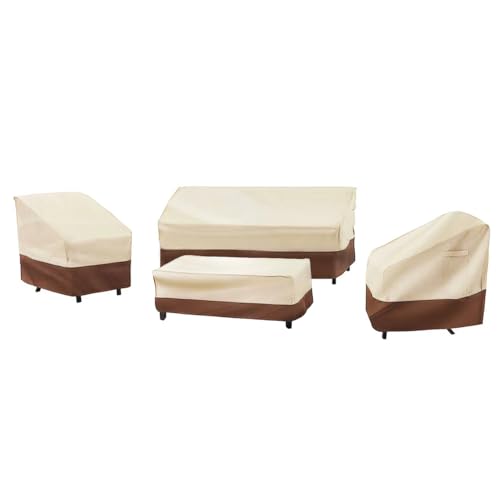
Elevate your storage solutions by utilizing waterproof covers and sheets designed specifically to ward off moisture. These barriers act as a frontline defense, sealing your items away from impending dampness. For heavy pieces, consider placing them on concrete blocks or pallets, ensuring that there’s a layer of protection between them and the ground.
In addition, regular maintenance is key. Treating surfaces with water repellents can significantly enhance their resistance to moisture damage. Pay attention to seams and joints, as these areas often require extra sealant to stand up to saturation. If exposure is a concern, rearranging layouts to keep vulnerable items further from areas prone to accumulation will reduce the risk.
Store removable components in plastic bins or containers, ensuring they remain elevated and secure. After potential exposure, don’t delay in drying and inspecting any affected items, as prompt action can prevent long-term issues. Implementing these measures effectively safeguards against the unpredictable nature of rising tides, preserving both aesthetics and functionality.
Safeguarding Your Belongings Against Rising Water Levels
I recommend elevating seating arrangements and tables off the ground. Use sturdy blocks or crates, ensuring legs are at least 12 inches high. This distance creates a barrier against moisture and potential damage during a surge.
Utilizing Protective Covers
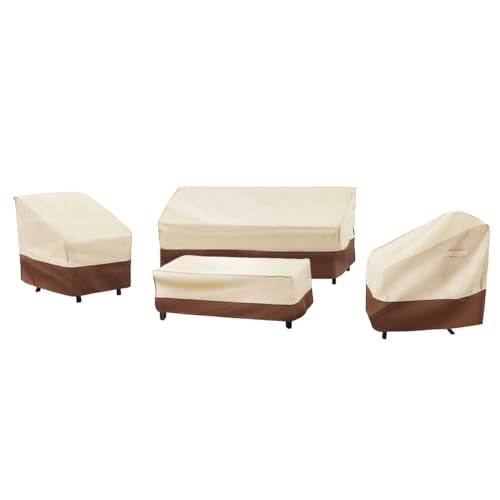
Invest in waterproof covers specifically designed for upholstery and wooden pieces. These are often made from durable materials that resist moisture penetration. Ensure you securely fasten the covers to minimize the risk of dislodgement.



Storing Valuables in Elevated Locations
Store smaller items such as decorative pieces, electronics, and important documents on higher shelves. Utilize cabinets or storage containers placed above potential flood levels. This method keeps your valuables safe and lessens the impact of any unforeseen inundation.
Maintain a regular inventory of all items and their locations. This practice not only aids in quick retrieval but also assists in evaluating any potential losses after an incident.
Assessing Your Risk of Flooding
To gauge the likelihood of inundation affecting your living area, I first analyze local topography and history. Research previous incidents in my neighborhood by reviewing city records or community reports to identify patterns.
Next, I consult flood zone maps available from federal or local agencies. These maps detail areas with higher susceptibility to inundation, providing crucial insight into my property’s risk level. I also take into account proximity to rivers, lakes, or coastal lines, as these bodies may swell during heavy rainfall or melting snow.
Monitoring Weather Reports
Staying informed about severe weather alerts and forecasts is vital. I follow reputable meteorological services that provide updates on potential storms or heavy rainfall. Setting up notifications on my phone ensures timely updates and allows me to take proactive measures.
Infrastructure Considerations
I evaluate the condition of drainage systems and local infrastructure. Well-maintained ditches, culverts, and drainage channels significantly lessen the chances of overflow. If I notice blockages or poor maintenance, I report them to local authorities to address the issue.
Regular inspections of my property for vulnerabilities such as basement leaks or inadequate grading around the foundation also play a key role. Addressing these concerns can reduce the risk of harm from rising groundwater.
By gathering and analyzing this information, I form a comprehensive understanding of my flood risk, enabling me to make informed decisions regarding my living space and its safety.
Choosing Water-Resistant Furniture Materials
Opt for materials that inherently resist moisture damage. Consider the following options:
- Teak Wood: Known for its natural oils, teak withstands humid conditions without warping.
- Metal: Stainless steel and aluminum resist rust and corrosion, making them ideal for areas prone to moisture.
- Plastic: High-density polyethylene (HDPE) is durable and can endure exposure to wet conditions without degrading.
- Vinyl: This synthetic material is tough and waterproof, perfect for cushions and outdoor use.
- Marine-Grade Plywood: Treated for high moisture areas, it remains structurally sound in wet environments.
Choose upholstery made from synthetic fibers like acrylic or polyester; they dry quickly and resist mildew. Natural fabrics, such as cotton, can become a breeding ground for mold if soaked, so steer clear of those.
In constructing or selecting pieces, ensure the design minimizes water retention. Elevated legs on tables and sofas allow airflow and prevent moisture accumulation.
Finally, consider coatings or finishes that add an extra layer of resistance, such as marine varnish or sealants that protect surfaces from potential moisture effects.
Elevating Furniture Above Potential Flood Levels
Raise items on platforms to avoid damage during high tides or heavy rains. Use sturdy pallets or specially designed furniture risers to create a barrier between possessions and potential moisture. An elevation of at least 12 inches can significantly mitigate risks associated with inundation.
Utilizing Concrete or Brick Bases
For added stability, consider constructing bases using concrete blocks or bricks. These materials are highly resistant to moisture and can withstand significant weight without deteriorating. Ensure proper leveling for even weight distribution, enhancing the support for your items.
Storing in Upper Levels
If your residence has multiple stories, prioritize relocating belongings to the upper floors. This relocation is especially vital for treasured or irreplaceable items. Create designated storage areas, ensuring easy access while minimizing the risk of exposure during severe weather conditions.
Using Waterproof Covers for Protection
I recommend investing in high-quality waterproof covers for safeguarding your possessions. These covers act as a barrier against moisture, preventing damage during severe weather conditions. Look for options made from durable, rip-resistant materials that offer a secure fit to minimize water penetration.
Choosing the Right Covers
Select covers specifically designed for outdoor use. Materials such as polyethylene or vinyl are effective against wet environments. Ensure the covers are breathable to allow ventilation, reducing the risk of mold or mildew. Many products come with elastic hems or tie-downs to keep them securely in place, which is crucial during heavy rain or storms.
Maintenance and Preparation
Regularly check the integrity of the covers. Inspect for any tears or damages prior to potential adverse weather. It’s wise to keep a few sets on hand, ready for immediate deployment when forecasts indicate rising water levels. Proper installation is key; make sure each cover is fitted snugly and covers all exposed areas to enhance protection.
Implementing a Proper Drainage System
Install a reliable drainage system around your property to redirect excess moisture away from structures. Ensure proper grading of the land, sloping away from the foundation. Utilize trenches or swales to manage surface runoff effectively, channeling it towards designated drainage areas.
Incorporate French drains, which consist of perforated pipes covered with gravel, allowing groundwater to flow away. Regular maintenance is key; clear blockages to maintain optimal flow. Consider installing sump pumps in basements or low-lying areas to actively remove accumulated moisture.
Utilize rain barrels to collect roof runoff; this approach not only minimizes the burden on the drainage system but also provides a water source for irrigation during dry spells. Ensure downspouts extend several feet away from the foundation to prevent pooling. Evaluation of local regulations may also inform the implementation of effective drainage solutions.
Creating a Furniture Inventory for Emergency Situations
Maintain a detailed inventory list of all valuable items in your residence. Include the following information for each piece:
| Item Description | Purchase Date | Value | Location | Photos |
|---|---|---|---|---|
| Example Item 1 | January 1, 2020 | $500 | Living Room | View Photo |
| Example Item 2 | March 15, 2021 | $300 | Bedroom | View Photo |
Regularly update this inventory to reflect new acquisitions or disposals. Attach photographs to each entry; they serve as proof of ownership and condition. Store a copy of your inventory in a secure location, such as a cloud service or a safe deposit box, to ensure accessibility during unexpected events.
Documenting the Condition
Include notes about the condition of each item. Detail any wear and tear or repairs needed. This documentation will be valuable for insurance claims if damage occurs.
Insurance Considerations
Review your coverage policy periodically to ensure that your belongings are adequately insured against unforeseen circumstances. Share your inventory with your insurance agent for accurate policy adjustments.
Storing Valuables in High, Safe Locations
During instances of rising levels, placing important items on elevated surfaces is crucial. Utilize shelves, cabinets, or attics to ensure that these possessions remain untouched by rising levels.
Consider the following strategies:
- Identify tall bookcases or reinforced shelves that can withstand weight while keeping items secure.
- Store sensitive electronics and documents in waterproof bins on elevated surfaces.
- Use wall-mounted storage for smaller valuables, allowing for easy access while minimizing risk.
- Stack boxes with valuable contents on furniture that is away from entry points, maintaining distance from the potential entry of water.
Regularly assess these locations for optimal organization and make adjustments as necessary based on seasonal weather forecasts or neighborhood alerts.
Document the items stored in high locations to create a comprehensive list, ensuring quick retrieval in case of an emergency.
Implementing Regular Maintenance Checks
I schedule quarterly inspections of my space to identify potential issues before they escalate. During these checks, I examine the foundation, basement, and drainage areas for signs of moisture or deterioration. It’s crucial to ensure that gutters and downspouts are functioning correctly and directing runoff away from the building.
Inspecting Sealants and Openings
I pay close attention to windows and doors, checking that seals are intact. Re-caulking any gaps prevents rainwater from seeping inside. During maintenance, I also look at vents and openings, ensuring they are properly covered or secured.
Monitoring Weather Conditions
I keep an eye on local forecasts and flood warnings, especially during heavy rain seasons. This proactive approach allows me to take precautionary measures swiftly, such as moving items to elevated areas and securing additional protections if necessary.
Such routine evaluations not only help in safeguarding belongings but also provide peace of mind, knowing that I am prepared for potential challenges. Regular assessments create a more resilient living environment.
Consulting Professionals for Flood Mitigation Strategies
Engaging with specialists can provide tailored solutions that address unique risks associated with rising tides. Begin by seeking out local experts who understand the geographical vulnerabilities of your area. A thorough site assessment can reveal how water might infiltrate your space and offer preventative measures accordingly.
Consider asking these professionals about technology-based solutions, such as flood sensors that trigger alarms before water intrusion occurs. Utilizing this technological support adds a proactive layer to your protective measures.
Inquire about available grants or financial aid for flood resilience upgrades. Professionals often have insight into local programs that can subsidize costs for necessary modifications, such as installing sump pumps or enhancing drainage systems.
Implementing a comprehensive action plan reflects thoughtful preparation. Regular consultations with these experts ensure you stay informed about new resources and strategies relevant to maintaining dryness and integrity in your living space.
Collaborating with contractors or service providers skilled in waterproofing and barrier installations can also vastly improve your defenses. Their expertise in applying advanced materials can prevent moisture damage effectively.
Creating a long-term relationship with local emergency management teams can also enhance preparedness. They can offer resources and insights that are specific to your region, ensuring readiness for potential inundation events.
FAQ:
What are some preventive measures to protect furniture from flood water?
To safeguard your furniture from potential flood water damage, consider raising it off the ground by using furniture risers or blocks. This method helps keep the legs above any possible water level. Additionally, using waterproof covers or placing plastic sheeting under heavy furniture can provide extra protection. Regular maintenance and sealing wooden furniture with a protective finish can also help to minimize water absorption.
How can I prepare my home for a flood to protect my furniture?
Preparing your home involves several strategic steps. First, assess your property to identify areas that are prone to flooding. Elevating furniture and storing important items on higher shelves can mitigate damage. Additionally, you might want to install sump pumps in basements, create barriers with sandbags around vulnerable areas, and ensure proper drainage outside your home. Creating an emergency kit with essential items can also help you respond quickly during a flood.
What should I do if my furniture gets wet from flood water?
If furniture becomes wet, it is crucial to act quickly. Begin by removing excess water using towels or a wet vacuum. For wood furniture, dry it gently with a fan to avoid warping. It’s also important to check for mold and mildew, which can develop in damp environments. You may need to disassemble parts that are removable and allow them to air dry. If the damage is extensive, consulting a restoration professional might be necessary.
Are there specific materials that are better at resisting flood water damage?
Yes, certain materials are less vulnerable to water damage. Metal furniture tends to resist water better than wood, which can warp or swell. Synthetic materials like plastic or resin are also highly water-resistant and can be a smart choice for flood-prone areas. Upholstered furniture with waterproof membranes can minimize damage, while natural fabrics are more susceptible to mold and damage.
How can I limit water damage’s long-term impacts on furniture?
To limit long-term damage, allow furniture to dry thoroughly to prevent mold growth. You should clean items with a mixture of water and mild soap to remove dirt and bacteria. After drying, inspect the furniture for any signs of damage, such as peeling paint or compromised structures. Applying a sealant can help protect against future water exposure. Regular maintenance checks can also help keep furniture in good condition and ready to withstand unforeseen events.
What steps can I take to prepare my furniture for a potential flood?
To prepare your furniture for potential flooding, first consider elevating key pieces off the ground using bricks or wood blocks. This can help prevent damage from rising water. Next, disassemble any removable parts of your furniture, such as legs on tables, which can also reduce the risk of water damage. Additionally, it’s a good idea to apply protective coatings or finishes, like water-resistant sealants, to wood surfaces to help guard against moisture. For more portable items, storing them in waterproof containers or moving them to higher ground can be very beneficial. Finally, having an emergency plan and knowing which furniture items to prioritize can make a significant difference during a flood event.
Are there specific products I should use to protect my furniture from flood water?
Yes, there are several products that can provide protection for your furniture in the event of a flood. Water-resistant sealants are highly recommended for wooden surfaces, as these can create a barrier against moisture. Additionally, using waterproof covers or tarps can safeguard upholstered furniture and cushions. For items that cannot be moved, consider using furniture risers to elevate them above potential water levels. There are also commercial flood barriers available that can be placed around your home to redirect water flow away from your furniture. Investing in these protective products can help minimize damage during flood situations.