
 Caleb Turner

Using protective covers is my go-to strategy. These specially designed tarps fit snugly over chairs and tables, forming an impermeable barrier against water. I ensure the covers are secured with straps to prevent them from being blown away in gusty winds.
It’s wise to select weather-resistant materials like aluminum or teak for my outdoor seating. These materials boast natural resistances to moisture and damage, eliminating the need for constant upkeep. By choosing the right materials, the longevity of my outdoor seating is significantly enhanced.
Storing my outdoor items indoors during unpredictable weather offers unmatched security. If space allows, I take the time to carry them indoors or place them in a storage unit. This proactive approach guarantees that my seating is safe from not just moisture, but also sunlight and temperature extremes.
If bringing my items indoors is impractical, I utilize proper drainage mats and set them on a slight incline. This prevents water from pooling underneath and effectively reduces the risk of moisture damage. Making these simple adjustments can extend the life of my outdoor seating by years.
Protection Strategies for Outdoor Seating
Investing in high-quality covers is non-negotiable. These tailored pieces shield your seating from moisture and debris, prolonging their lifespan significantly.

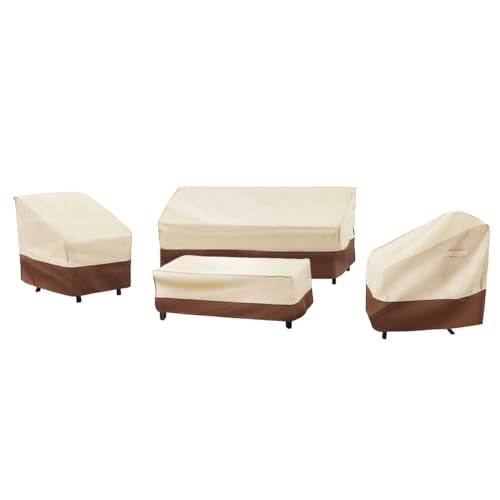

Consider opting for breathable materials to deter mold and mildew buildup. Ensure the covers fit snugly; any gaps can allow water to seep in.
Choosing Resistant Materials
Select pieces crafted from materials designed to withstand wet conditions. Teak, eucalyptus, and synthetic wicker demonstrate impressive resilience against moisture.
Finish your wooden items with sealants or coatings to enhance their weather resistance. Regular maintenance ensures longevity without compromising aesthetics.
Strategic Placement and Accessories
Elevating your seating off the ground using feet or blocks minimizes exposure to standing water. Incorporating side tables with drainage features can also help manage moisture effectively.
Ultimately, utilizing outdoor rugs aids in absorbing excess moisture while adding style. Regularly checking your outdoor area for water pooling can prevent damage before it starts.
Selecting Weather-Resistant Materials
I recommend opting for materials specifically designed to withstand moisture exposure. Teak wood is a prime choice; it contains natural oils that repel water and resist decay. Aluminum furniture is another excellent alternative; it’s lightweight, rust-resistant, and usually coated to enhance durability.
Consider synthetic resin wicker, which mimics the appearance of natural wicker but offers superior resistance to the elements. This material is UV-stabilized, preventing fading from sunlight, and can endure heavy rains without warping.
For metal options, stainless steel proves to be ideal due to its corrosion resistance. Pair it with tempered glass tops for added elegance and strength against high winds and rain.
Fabric selection also plays a crucial role. Solution-dyed acrylic is highly recommended as it repels water while resisting mold and mildew growth. Ensure cushions have a water-repellent treatment for further safeguarding.
Lastly, for a touch of luxury, consider concrete or stone tables. These materials are inherently weather-resistant and provide a solid base that withstands harsh climates.
Using Suitable Furniture Covers
Investing in quality covers is a straightforward way to shield your outdoor seating arrangements. Look for options made from waterproof materials like polyester or vinyl, which offer enhanced durability against moisture. These covers not only repel water but are also resistant to fading caused by sunlight.
Choosing the Right Fit
Ensure the cover fits snugly over each piece. Loose covers may allow water to pool, which defeats the purpose of protection. Measure your items carefully and select covers designed for specific shapes, whether they are for chairs, tables, or loungers. Adjustable straps or drawstrings can provide additional security during windy conditions.
Maintenance Tips
Regularly clean your covers according to the manufacturer’s guidelines to prevent mold and mildew buildup. Store them in a dry place during extended periods of non-use. If damage occurs, consider patching rather than replacing–this can extend their lifespan significantly.
Investing in Storage Solutions
I recommend considering weather-resistant storage options for your outdoor seating and accessories. Lockable storage boxes made from high-density polyethylene (HDPE) ensure durability while keeping items safe from moisture and pests.
Vertical storage units are another smart choice, maximizing limited space. Look for designs featuring shelves and compartments to organize cushions and smaller items neatly. Some models even include integrated benches for added convenience.
Another great option is durable fabric storage bags, specifically designed for outdoor use. These bags often have reinforced seams and water-repellent coatings, offering a lightweight yet robust solution for safeguarding cushions and other soft materials.
For those with more extensive outdoor setups, a dedicated garden shed can provide ample space for larger pieces. Ensure it has proper ventilation to prevent mold growth and consider shelving for organizing tools and cleaning supplies alongside your outdoor seating.
Regular maintenance of these storage solutions can extend their lifespan. Cleaning them regularly and checking for wear will ensure your investments continue to serve their purpose effectively.
Creating a Rain Shelter or Canopy
One of the most practical solutions is to install a custom canopy or awning. I recommend opting for styles that can extend or retract based on weather conditions. This flexibility allows me to shield my outdoor space when clouds gather while enjoying sunshine when the skies are clear.
Material Choices
Choosing the right materials is vital for longevity. Look for fabrics that are water-resistant, UV-resistant, and mildew-proof. I often consider high-quality polyester or vinyl, as they withstand harsh elements well. Additionally, opting for aluminum or sturdy wood frames ensures stability during strong winds.
DIY Options
If I prefer a hands-on approach, constructing a simple shade structure using PVC pipes or wood can be effective. I can create a slanted roof design that allows rainwater to run off, preventing water pooling. Adding clear corrugated panels can also provide light while keeping my outdoor space protected.
For temporary protection, I find that pop-up canopies work wonders. They are lightweight, easy to set up, and can be taken down and stored conveniently when not in use. I always keep one on hand for unexpected weather changes.
Ultimately, installing a shelter not only extends the life of my outdoor pieces but also enhances the usability of the area, allowing me to enjoy it year-round.
Regular Maintenance and Cleaning Tips
To extend the life of your outdoor items, I recommend a consistent maintenance routine. Clean surfaces regularly to avoid dirt buildup, which can lead to premature wear.
Cleaning Schedule
- Wipe down with a damp cloth weekly to remove dust and moisture.
- Use a mild detergent mixed with water for deeper cleaning every month.
- Inspect for mold or mildew, especially in humid conditions. Use a suitable cleaner to remove these promptly.
Protective Treatments
- Apply a protective sealant according to the material type; for example, oils for wood or sprays for metal.
- Consider treatments to repel water, enhancing resistance against moisture damage.
Conduct regular inspections to check for wear and tear. Tighten any loose screws or fittings to maintain structural integrity.
Store cushions and soft textiles indoors when not in use to prevent them from absorbing moisture. If cushions must remain outside, look for ones made with outdoor-safe, water-resistant fabrics.
Following these organizational and cleaning steps ensures your outdoor items remain in excellent condition despite exposure to the elements.
Maximizing Drainage on the Balcony
To enhance drainage on your outdoor space, consider installing a slight slope. This can be achieved by adding a layer of permeable material or adjusting the placement of your paving slabs. A gradient of at least one inch for every 4 feet will ensure water flows toward drains or off the edge.
Incorporating Drainage Solutions
Integrated drainage systems are invaluable. Fit your floor with channels or grids that guide water away. Use drain mats beneath tiles to facilitate moisture escape. Elevated decking can also allow for proper airflow and drainage below.
Regular Monitoring and Adjustments
Periodic checks on the drainage setup ensure long-term efficiency. Clear debris from drains and channels regularly to prevent blockages. If you notice pooling, consider repositioning furniture to maintain optimal water flow. Keeping a systematic approach will foster better management of moisture.
Implementing Quick-Remove Strategies
Utilize stackable options for your outdoor seating, allowing for swift disassembly and storage during inclement weather. Select lightweight materials to ensure easy movement; aluminum or plastic pieces are ideal for quick relocation.
Organizing Your Space
Designate a specific area near your entrance for storing items when conditions worsen. Install wall hooks or shelves to keep additional covers and tools accessible, facilitating immediate response to changing climates.
Portable Storage Solutions
Consider mobile carts with wheels for an easy transition of items. Ensure the cart is weather-resistant, allowing for storage both indoors and outdoors. This method saves time during unexpected showers, as you can wheel everything inside in a matter of minutes.
| Quick-Remove Method | Benefits |
|---|---|
| Stackable Chairs and Tables | Space-saving; easy to store; quick to transport. |
| Designated Storage Area | Organized; minimizes time spent gathering items. |
| Mobile Carts | Portable; requires minimal effort for relocation. |
Utilizing Outdoor Furniture Spray Protectants
Applying outdoor furniture spray protectants significantly enhances durability against moisture damage. These formulations create a protective layer that repels water and helps prevent mold and mildew growth.
Choosing the Right Protectant
- Look for products specifically designed for the material of your items, such as fabric, metal, or wood.
- Read reviews and ensure the product provides sufficient protection against UV rays and moisture.
- Opt for non-toxic options if using on surfaces that may come into contact with people or pets.
Application Tips
- Clean the surface thoroughly before spraying to remove dirt, oils, and residues.
- Apply in a well-ventilated area, ideally on a dry day.
- Ensure an even coat by holding the spray nozzle at a consistent distance from the surface.
- Allow adequate drying time as recommended by the manufacturer before using the items.
Regular reapplication is necessary, especially after heavy rains or cleaning sessions, to maintain the protective barrier. Monitoring the performance of the applied spray will help determine when it’s time for a touch-up, ensuring sustained integrity of the items exposed to the elements.
Monitoring Weather Conditions Effectively
I rely on reliable weather apps and websites to stay informed about upcoming precipitation. Services like Weather.com or AccuWeather offer accurate forecasts, complete with hourly updates.
Utilizing local weather stations that provide real-time data can increase accuracy. I often check for alerts in my area to anticipate sudden changes.
For immediate updates, I set notifications on my smartphone. This way, I receive alerts for severe weather, ensuring I can take action promptly.
I also use smart home devices, such as weather stations or connected sensors, that notify me about changes in humidity or rainfall. This added level of monitoring helps me stay ahead.
Investing in a simple rain gauge has proven to be helpful. It allows me to measure how much rain has fallen, giving insights into whether to cover or store items outside.
Consistently tracking patterns in local weather can aid in decision-making for my outdoor setup. Understanding seasonal rain trends helps me plan better.


