Caleb Turner
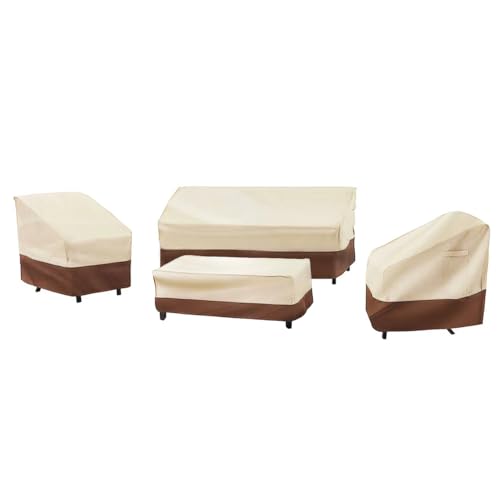
Utilize high-quality cover when not in use, shielding your metal pieces from harsh weather conditions and UV rays. This simple action significantly extends the lifespan of any garden seating materials, keeping them in prime condition.
Regular cleaning is paramount. A mixture of mild soap and water can effectively remove dirt and debris, preventing the accumulation of grime that may lead to oxidation. I recommend a generous rinsing with water afterward to eliminate any soap residues.
Applying a protective wax or sealant intended for metal surfaces forms a barrier against moisture and elements. This creates a resilient layer, diminishing the risk of rust and degradation while providing a glossy finish.


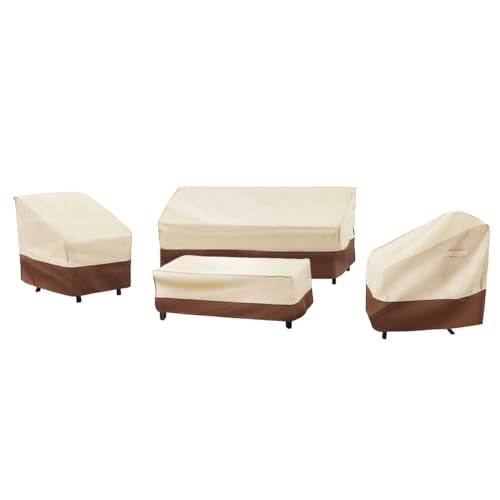
Ensure proper ventilation in any storage location. Adequate airflow prevents moisture traps, reducing the likelihood of corrosion even in covered areas. In cases of severe weather, elevate your items off the ground if possible to avoid water pooling.
Finally, regular inspections allow for early detection of scratches or damage. It’s easier to address small issues promptly than to wait for potential problems to escalate.
Care Tips for Your Outdoor Metal Seating
Regularly clean with a gentle soap solution to maintain the finish. Use a soft brush or cloth to remove dirt and grime, ensuring you don’t scratch the surface. Rinse thoroughly with water to eliminate any soap residue.
Weather Resilience
Apply a high-quality protective wax or sealant designed for metal surfaces. This will provide a barrier against moisture and UV rays, significantly extending the lifespan of your pieces. Reapply every season to ensure continued effectiveness.
Storage Solutions During Off-Season
If possible, store away from extreme weather conditions. Use a covered space or protective cover specifically designed for metal seating. This prevents exposure to rain, snow, and direct sunlight, which can lead to deterioration over time.
Choosing the Right Location for Your Furniture
Position your items away from direct exposure to harsh sun and rain, which can accelerate wear and tear. Ideally, place them under a shade structure, such as a pergola or an umbrella.
Consider the Surroundings
- Avoid areas near trees, as falling branches or sap can cause damage.
- Keep a safe distance from any saltwater sprays if near coastal regions.
- Inspect the ground; choose a stable, level surface to prevent wobbling and enhance stability.
Sunlight and Wind Exposure
- Position away from strong winds which may cause items to topple or shift.
- Balance sunlight exposure; while moderate sun can be appealing, prolonged exposure can fade colors.
Assess proximity to your home. Accessibility encourages regular use, enhancing enjoyment and maintenance ease.
Applying Protective Coatings and Sealants
I recommend selecting high-quality sealants to enhance the longevity of your metallic seating and tables. Here are some effective options:
- Clear Coats: Transparent finishes provide a barrier against moisture and dirt without altering the appearance of the surface.
- Powder Coating: This method applies a baked-on finish that is durable and resistant to scratches, UV rays, and fading.
- Varnishes: Suitable for items that may require an aesthetic touch, offering a glossy finish and additional weather resistance.
Before application, ensure the surfaces are clean and free of grime. A mild detergent followed by thorough rinsing is effective. Once dried, sand lightly to promote adhesion.
Follow manufacturer instructions for application. Using a spray gun can ensure a clean and even coat, while brushes may be suitable for smaller, intricate areas.
Allow ample drying time, ideally in a sheltered environment to prevent dust or insects from compromising the finish.
Regular maintenance is essential. Check coatings annually and reapply as needed, especially after severe weather or prolonged exposure to the elements.
Regular Cleaning Techniques to Prevent Corrosion
I recommend establishing a consistent cleaning routine to maintain the integrity of your metallic outdoor pieces. Start by rinsing off any loose dirt or debris with water. This simple step helps prevent scratches that could expose the surface.
For deeper cleaning, concoct a solution of warm water and mild dish soap. Using a soft cloth or sponge, gently scrub the surface. Focus on areas that are prone to gathering grime, such as seams and joints. Avoid abrasive materials that could damage the finish.
After washing, rinse thoroughly with fresh water to remove any soap residue. Leaving soap on might foster corrosion. Once rinsed, dry the items with a clean, soft towel to prevent water spots.
Every few months, I suggest applying a mixture of water and vinegar to enhance the shine and clarity of the surface. Vinegar serves as a natural cleaner and can effectively remove light stains.
In addition, inspect the joints and fasteners regularly. Sometimes, they can accumulate moisture. I recommend using a dry cloth to wipe these areas during cleaning to minimize rust formation.
Finally, when cleaning, consider the weather conditions. Avoid cleaning during extreme heat or rain, as these can counteract the benefits of your efforts. Keeping a regular cleaning schedule not only preserves the appearance but also extends the lifespan of these valuable additions to your space.
Utilizing Furniture Covers for Weather Protection
I recommend investing in high-quality covers specifically designed for your patio pieces. Look for options made from durable, waterproof materials that can withstand harsh weather conditions while being breathable to prevent mold and mildew buildup.
Measuring and Fitting
Before purchasing, take accurate measurements of each item to ensure a snug fit. Loose covers can blow away in strong winds, while tight ones may tear or trap moisture. Adjustable straps or buckles enhance security during storms.
Care and Maintenance of Covers
Regularly inspect your covers for wear and tear. Cleaning them according to the manufacturer’s instructions can prolong their lifespan. Store them in a dry place when not in use, as this prevents unnecessary deterioration.
Managing Exposure to Sunlight and UV Rays
Install canopies or awnings to create shade, reducing direct sunlight on surfaces. This simple addition extends the lifespan of all items by minimizing UV damage.
Consider relocating to a covered patio or porch where sunlight exposure is limited. This approach prevents fading and deterioration from prolonged sunlight.
Apply high-quality UV-resistant sprays specifically designed for outdoor materials. Regular treatments enhance durability against sun damage.
Utilize umbrellas strategically for immediate areas where sun exposure is highest. This offers shade and keeps temperatures down on hot days, preserving aesthetics and function.
Rotate positions occasionally to alternate sun exposure on different pieces. This avoids uneven fading and keeps the visual appeal intact.
Encourage the use of outdoor textiles engineered for UV resistance. These materials can be used for cushions, bringing comfort without compromising on durability.
Monitor weather forecasts and cover items during intense sunlight or heat waves. This proactivity can significantly curb sun-related issues.
Create an environment that encourages airflow while retaining partial shade. This can be achieved by arranging plants or barriers that block direct rays.
Addressing Scratches and Damages Promptly
I recommend tackling scratches and damages as soon as you notice them to ensure longevity. For minor scratches, a light buff with a soft cloth and automotive polishing compound can effectively restore the finish. If the scratch is deeper, consider using touch-up paint that matches your piece’s color; apply it carefully to blend seamlessly with the surrounding surface.
Using Structural Fillers
For more significant dings or dents, employing a structural filler designed for metals can be beneficial. Follow the manufacturer’s instructions for application and curing times. After it hardens, gently sand the area for a smooth finish before applying a protective coating.
Preventing Rust Formation
To avoid rust from developing in compromised areas, promptly seal repaired spots with a quality sealant. Regularly inspect your items to identify any emerging issues before they worsen. A proactive approach will maintain the aesthetic and structural integrity of your outdoor seating.
Storing Furniture During Harsh Weather Conditions
I recommend relocating garden pieces to a sheltered area, such as a garage or shed, during severe weather spells. This approach helps shield them from rain, snow, high winds, and extreme temperatures which can lead to corrosion or structural damage.
Best Storage Practices
Before storing, ensure all surfaces are clean and dry. This minimizes the potential for mildew or rust development during downtime. When arranging items, stack or place them in a manner that avoids direct contact, which can cause scratches or dents.
| Weather Condition | Storage Recommendation |
|---|---|
| Heavy Rain | Move to a covered space; use tarps if outdoor storage is necessary. |
| Snow | Store indoors; avoid leaving them outside for prolonged periods. |
| Strong Winds | Secure items with weight or anchors; bring them indoors if possible. |
| Extreme Heat | Consider shaded storage; avoid direct sunlight to prevent fading and warping. |
| Freezing Temperatures | Store in a climate-controlled space to prevent freezing-related damage. |
Final Preparations Before Storage
Invest in protective covers designed for outdoor gear. These can safeguard against dust and moisture even in indoor settings. Additionally, consider disassembling items where feasible to save space and enhance protection.
Seasonal Maintenance Checklist for Longevity
Inspect all surfaces for any signs of corrosion. A gentle scrub can remove light stains and prevent further deterioration.
Apply a suitable protective coating before the onset of harsh weather conditions. This layer adds a shield against potential damage.
Check the attachment points and joints for any signs of wear or loosening. Tightening these areas ensures stability.
Remove any debris, such as leaves or dirt, that collects in and around the structure. This prevents moisture retention and mold growth.
Assess the condition of protective coverings. Replace damaged or worn covers to maintain their effectiveness throughout the changing seasons.
Schedule regular cleanings every few months. Use a soft brush and a mild detergent to preserve the finish and appearance.
Evaluate the positioning of your items. If possible, shift them to a location that minimizes exposure to intense sunlight and rain.
After severe weather, promptly do a full inspection for any new damages. Address repairs immediately to extend the lifespan.
During the off-season, consider securely storing items in a sheltered area. This practice minimizes wear and tear from prolonged exposure.