Caleb Turner

To keep your garden seating and tables safe, consider securing them with robust locks or chains. Attaching a lockable cable to heavier pieces will deter quick grabs by thieves. Opt for products specifically designed for outdoor use; they tend to have higher resistance to weather conditions and tampering.
Invest in items that are either heavy enough to discourage removal or made from materials that are difficult to steal. For example, concrete or stone sets add substantial weight while adding aesthetic value to your space. Alternatively, consider utilizing specialized resin or metal alternatives that provide durability alongside security.


Utilizing camouflage tactics can also be effective. Position your accessories in less visible areas or blend them subtly with your landscaping. Additionally, consider only purchasing items that have integrated security features. Some products come with built-in locking mechanisms that enhance their safety.
Lastly, increase visibility around your area. Proper lighting can serve as a deterrent, making it more challenging for trespassers to operate without being seen. Motion detector lights are particularly useful–they illuminate spots when movement is detected, and their unpredictable nature keeps potential thieves guessing.
Protective Measures for Your Patio Gear
Secure items using high-quality locks and chains. Investigate heavy-duty securing options that can withstand attempted thefts. Always anchor chairs and tables to fixed structures when possible, using concrete anchors for enhanced stability.
Strategic Placement
Position your assets in areas that are less visible from the street or public eye. Create protective barriers through shrubs or fences to deter theft. A well-lit space can make a significant difference, so consider adding lighting around the area.
Camera Surveillance
Install motion-sensor cameras that record suspicious activities. This not only aids in deterrence but can serve as evidence if needed. Ensure that cameras have a clear view of all entry points and potential hiding spots.
Choose Secure Locations for Your Furniture
Position your items in well-lit areas. Brightly illuminated spaces deter potential thieves. Install motion-sensor lights if necessary.
Select spots that are visible from your home or frequently traveled paths. High visibility dissuades possible theft attempts.
Avoid placing your belongings near fences, shrubs, or other obstructions that can provide cover for culprits. Clear sightlines enhance security.
Consider utilizing deck or patio areas that are elevated. Elevated platforms are less accessible and offer an extra layer of protection.
Utilize a storage shed for valuable pieces when not in use. Enclosed spaces greatly reduce risk and can be properly secured.
Incorporate landscaping features like thorny bushes around items as a natural deterrent. This adds an unwelcoming element for intruders.
Engage with neighbors about shared security efforts. Building a community watch program increases safety for everyone.
Regularly assess the surroundings for potential vulnerabilities. Regular checks and adjustments can bolster security measures.
Utilize Anchoring Devices and Locking Solutions
Employing anchoring devices is a proven method to secure patio seating and tables. I recommend using heavy-duty cables or chains that can be looped around the items and anchored to solid structures, such as fences or posts. Look for products that come with tamper-proof locks, ensuring that thieves cannot easily cut or remove them.
In addition to cables, consider investing in locking mechanisms specifically designed for outdoor items. Some companies manufacture furniture with built-in locks, allowing you to secure the pieces directly to the ground or a permanent fixture. These options provide a deterrent against quick grab-and-go thefts, especially in high-traffic areas.
Additionally, I find that utilizing alarm systems can offer extra peace of mind. Some alarms are designed to be attached to outdoor items and will emit a loud noise if moved unexpectedly. This not only alerts you but can also deter anyone attempting to take your possessions.
Lastly, regular maintenance checks on your locking solutions are important. Inspect cables and locks for signs of wear, and replace any that show damage. Taking these proactive steps will significantly enhance the security of my outdoor seating and accessories.
Invest in Alarms and Surveillance Cameras
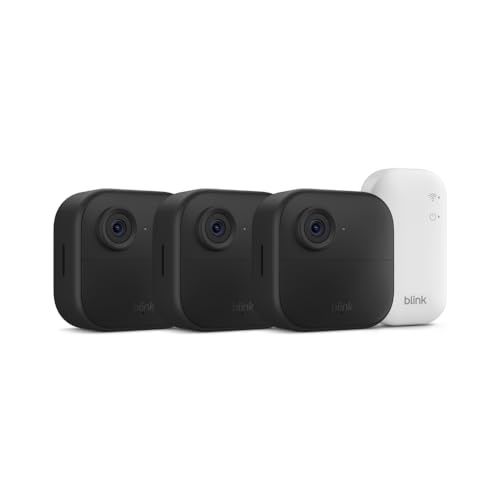
Surveillance systems significantly enhance security. I recommend installing motion-activated cameras around your patio or yard. These devices not only deter potential thieves but also capture footage that could be useful for law enforcement. Position cameras to cover all access points without obstructions for maximum efficacy.
Included alert systems act as a second line of defense. Consider alarms that trigger when movement is detected near your belongings. Some models send instant notifications to your smartphone, ensuring you can act quickly. It’s beneficial to regularly check and test these systems to guarantee they are operational.
Integrating Technology
Utilize smart technology for added convenience. Many modern cameras can be monitored remotely, allowing you to keep an eye on your possessions when away. This capability is especially crucial for those who travel frequently. Choose cameras with night vision functionality for effective surveillance after dark.
Creating a Visible Threat
Ensure all equipment is visible to potential intruders. The mere presence of surveillance cameras can serve as a deterrent. I find that displaying warning signs about security measures can further discourage theft attempts. A well-lit area, combined with visible alarms, makes your space less appealing to criminals.
Implement a Routine for Storing Furniture at Night
Establishing a nightly ritual for securing items is crucial. Each evening, make it a habit to gather all movable pieces and store them indoors or in a designated, locked area.
To facilitate this process, consider the following points:
- Set a specific time each evening for this task. Consistency helps in forming a routine.
- Enlist family members or neighbors to assist. Having more hands makes the job easier and quicker.
- Create a checklist of items that need to be brought inside. This ensures nothing is overlooked.
For larger items that are impractical to move, consider using protective covers. This adds an additional layer of security against weather and theft.
At the end of each day, take a final walk around the area. Ensure lighting is adequate and nothing looks out of place. Performing this check can deter potential issues.
Finally, reflect on the process and seek ways to improve efficiency. This makes the nightly task less burdensome over time.
Use Furniture Covers for Added Security
Covers provide a simple yet effective barrier against theft. Opt for high-quality, weather-resistant materials that cover the entire item snugly. Look for features like secure fastenings, straps, or zippers to help keep the cover in place during windy conditions.
Styles and Sizes
Select covers that match the dimensions of your pieces. Custom-fit options are available and can better deter potential thieves. Consider neutral colors that blend into the outdoor environment; this can make them less noticeable and less appealing to would-be criminals.
Storage and Maintenance
<p.Regularly inspect the covers for wear or damage. A torn cover loses its effectiveness. Store covers in a safe, dry location when not in use to prolong their lifespan. Reinforced corners and specific materials can deter sharp objects used to pierce the covering, adding an extra layer of security.
Engage with Local Community to Monitor Theft
Join local neighborhood watch groups or create one if it doesn’t exist. Regular meetings enhance trust among residents and encourage vigilance regarding suspicious activities.
Utilize platforms such as social media groups dedicated to your area. Sharing information about any unusual occurrences can prompt increased awareness and proactive responses.
Organize community events, such as clean-up days or outdoor gatherings. This fosters a sense of belonging and collective responsibility, making it less likely for incidents to occur.
Form alliances with local businesses. Establishing connections with nearby shops can lead to mutual assistance in monitoring suspicious behavior. They can also serve as additional eyes on the street.
Use mobile apps that allow residents to report incidents quickly. Encourage neighbors to stay informed about potential threats and share their experiences.
| Action | Description |
|---|---|
| Neighborhood Watch | Collaborate with local residents to monitor the area and report any suspicious activities. |
| Social Media Groups | Leverage online platforms to spread awareness and share information about theft or suspicious behavior. |
| Community Events | Organize gatherings to build relationships among local residents and increase vigilance. |
| Business Alliances | Partner with local shops for additional support in monitoring and reporting incidents. |
| Incident Reporting Apps | Encourage the use of mobile applications to report suspicious activities in real-time. |
FAQ:
What are some practical ways to secure outdoor furniture?
To secure outdoor furniture, you can use a combination of physical barriers and security devices. Firstly, consider using furniture covers with straps that can be tied down. This deters potential thieves, as it adds an extra layer of difficulty. Secondly, you can use anchors or ground screws to secure heavier furniture pieces to the ground. Additionally, installing a lockable storage shed for smaller or movable items is an effective solution. Lastly, using motion-sensor lights can help deter theft by illuminating the area when movement is detected.
Are there specific types of outdoor furniture that are more likely to be stolen?
Yes, certain types of outdoor furniture tend to attract thieves more than others. Lightweight and portable pieces, such as folding chairs and small tables, are often targeted because they can be easily carried away. Additionally, high-end outdoor furniture made from expensive materials, such as teak or aluminum, is frequently stolen due to its value. Conversely, heavier, more substantial items like concrete or metal furniture are less likely to be stolen, as they are harder to remove.
How can homeowners make their outdoor area less appealing to thieves?
Homeowners can make their outdoor space less attractive to thieves by implementing a few strategic changes. Maintaining visibility is key, so keep landscaping trimmed and well-maintained to eliminate hiding spots. Installing fencing or barriers can also help deter trespassers. Additionally, creating a well-lit environment with decorative lighting at night can discourage theft. Finally, consider displaying cameras or security signs, as the presence of surveillance can act as a significant deterrent.
Do security systems really help in preventing outdoor furniture theft?
Yes, security systems can be beneficial in preventing outdoor furniture theft. An effective security system may include cameras, alarms, and motion sensors, which can monitor the area and alert homeowners to any suspicious activity. Additionally, having visible security cameras can deter potential thieves who may think twice about attempting to steal furniture if they know they are being watched. Regularly checking and maintaining the security system also enhances its effectiveness in protecting outdoor belongings.
Can neighborhood watch programs assist in preventing outdoor furniture theft?
Absolutely, neighborhood watch programs can play a significant role in preventing outdoor furniture theft. These programs promote community awareness and encourage residents to watch for unusual activity in their surroundings. By reporting suspicious behavior and keeping an eye on each other’s properties, neighbors can create a sense of vigilance that deters thieves. Additionally, organizing community patrols can further enhance the safety of the area, leading to a reduced likelihood of theft in general.
What are some practical tips to prevent outdoor furniture theft?
To prevent outdoor furniture from being stolen, consider the following methods: First, choose furniture made from heavy materials that are difficult to move. Additionally, you can use locks or chains to secure items to fixed structures. Installing motion-sensor lights around your outdoor area can also act as a deterrent. Having security cameras can help monitor your property and may discourage potential thieves. Lastly, storing furniture indoors or in a shed when not in use is a highly effective measure.