Caleb Turner
Utilizing a furniture cover is a practical move. These protective layers not only shield surfaces from unwanted fibers but also add an extra layer of style to your home. Opt for materials that can be easily washed, allowing for stress-free maintenance.
Regular grooming sessions are indispensable. Incorporate a routine of brushing your pet multiple times a week. This habit significantly reduces the amount of loose fibers and can even enhance the bond between you and your furry friend.
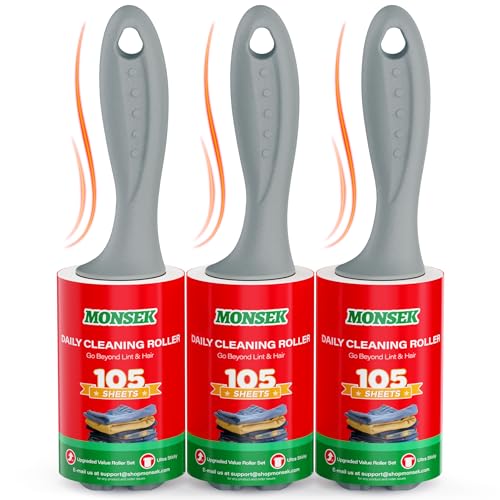
Investing in specialized tools makes a noticeable difference. A high-quality lint roller or a vacuum designed for picking up stubborn fibers should be on your list. These items simplify the cleanup process, keeping your environment tidy and welcoming.


Establishing clean zones is a smart strategy. Designate specific areas where your companion is allowed to roam freely while keeping other parts off-limits. This helps contain any debris and minimizes the need for constant cleaning across the entire space.
Strategies to Keep Your Upholstery Clean
Regular grooming is key. I brush my pet daily with a high-quality de-shedding tool to minimize loose strands in the environment. This process not only helps reduce the amount of fur but also fosters a bonding experience.
Utilize Protective Covers
Investing in furniture covers made of pet-friendly materials has been highly beneficial. These can be easily removed and washed, offering an effective shield against fur accumulation. Look for machine-washable options that fit comfortably over your seats.
Implement a Strict Cleaning Routine
I maintain a consistent cleaning schedule. Vacuuming the sitting areas with a specialized pet hair attachment once or twice a week helps eliminate any lingering strands. Using lint rollers or masking tape can swiftly pick up additional fibers from surfaces in between vacuuming sessions.
Incorporating air purifiers equipped with HEPA filters significantly reduces airborne allergens and loose fur particles, enhancing cleanliness and comfort in my living space. Regularly changing these filters maximizes their effectiveness.
Choosing the Right Furniture Fabric
Opt for tightly woven materials like microfiber or leather. These fabrics are less likely to trap fibers compared to looser weaves. My favorite choice has been microfiber, as it’s not only pet-friendly but also easy to clean. Leather offers a sleek look and can be wiped down quickly.
Consider darker colors or patterns. They easily camouflage any residual strands, making maintenance simpler. Light colors tend to show more, which can be tedious. I have found that incorporating patterns helps distract the eye from any stray fibers.
Look for treated fabrics specifically designed to resist staining and collecting particles. Brands often market these textiles as “pet-resistant.” I invested in a sofa with such fabric, and it’s been a game changer in how much easier it is to keep clean.
Invest in removable and washable covers. This approach allows for regular cleaning without the need to hire professionals. I use machine-washable covers on my chairs, and it saves a lot of hassle.
Consider your lifestyle. If your environment gets a lot of foot traffic or wear, durable options such as canvas or outdoor fabrics can be good alternatives. I’ve had great experiences with outdoor furniture indoors; they hold up well and are easy to maintain.
Test fabric samples. If possible, bring swatches home to see how they react in your space. I’ve done this and found that some textures are much more suitable in practice than they appear in the store.
Evaluate the cost against the longevity. Quality fabrics might be more expensive upfront, but their durability can lead to savings over time. Choosing wisely here has prevented me from needing replacements too soon.
Implementing Regular Grooming Routines
Establish a consistent grooming schedule tailored to your pet’s coat type and shedding frequency. Aim for at least once a week, or more often during shedding seasons.
Consider the following steps for effective grooming:
- Choose appropriate tools: Use brushes designed for your pet’s coat–slicker brushes for long-haired breeds, and rubber or bristle brushes for short-haired varieties.
- Establish a routine: Set a specific day and time for grooming. This consistency helps the animal adjust and can make the process more enjoyable for both of you.
- Incorporate baths wisely: Schedule baths every month or as needed, utilizing pet-friendly shampoos that promote a healthy coat and minimize excess fuzz.
- Reward and motivate: Offer treats and praise during and after grooming sessions to create a positive experience.
Regular grooming serves multiple purposes. It helps remove loose strands, reduces matting, and allows for inspection of skin and health. This proactive approach can significantly reduce the amount of fluff transferred to seating and textiles.
In addition to grooming, I also keep my living space tidy. I frequently vacuum carpets and upholstery, ensuring minimal buildup of stray fibers. Investing in a good vacuum cleaner specifically designed for pet care can streamline this process. Combining grooming with cleaning helps maintain a pleasant environment.
Using Pet-Friendly Covers and Throws
Selecting high-quality covers and throws made specifically for animal-friendly homes can tremendously reduce the presence of fur on your seating and sleeping areas. Look for materials such as microfiber or tightly woven fabrics that are known for their durability and resistance to fur accumulation.
Choosing the Right Materials
Opt for textiles that are stain-resistant and easy to clean. Fabrics such as polyester and tightly woven cotton are great choices. I prefer covers with a smooth finish, as this makes it easier to remove any stray strands with a simple lint roller or a quick vacuum.
Utilizing Throws Effectively
Strategically placing throws on favorite resting spots can significantly minimize the spread of fur. I find that having multiple throws in the living room and bedroom allows for easy washing. It’s helpful to rotate these throws regularly, ensuring they receive frequent laundering while the furniture remains protected.
Finally, consider investing in slipcovers that fit securely over your sofas and chairs. Machine-washable options simplify maintenance, making it easier to keep your living area tidy. By implementing these strategies, maintaining a fur-free environment becomes manageable and less time-consuming.
Establishing Pet-Free Zones
Designate specific areas of your home as pet-free to minimize damages and accumulation of fur. Start with bedrooms and formal living spaces where you prefer a clean environment. Use physical barriers like baby gates or closed doors to enforce boundaries.
Create Clear Boundaries
Label these zones clearly, ensuring all household members understand the importance of maintaining them. Consistent reinforcement helps reinforce the rule effectively.
- Place signs on doors leading to these areas.
- Explain the reasons for these restrictions to family and guests.
Provide Comfortable Alternatives
Offer cozy resting spots in the non-restricted areas to encourage your furry friend to stay within those boundaries. Use comfortable beds or blankets that entice them to choose designated spaces for relaxation.
- Select calming spots away from main traffic areas.
- Rotate different beds or mats to keep things fresh and inviting.
By establishing these pet-free zones, I can maintain a cleaner home while still enjoying my pet’s presence in appropriate areas. Consistency and clear communication are key elements in making this approach successful.
Cleaning Techniques for Hair Removal
I rely on a high-performance vacuum equipped with a specific attachment for upholstery to tackle stubborn strands. This tool efficiently lifts embedded fur from fabric surfaces, ensuring a thorough clean. Regular vacuuming, at least twice a week, drastically reduces buildup.
For quick touch-ups, I use lint rollers. They’re portable and easy to use, making them perfect for removing stray fibers from cushions and blankets. Keeping one near the seating area ensures I can quickly address any visible remnants.
I also employ damp rubber gloves. By simply rubbing my hands over the upholstery, static electricity gathers the loose fibers effortlessly. This technique works especially well on textured fabrics where vacuuming may miss some particles.
A microfiber cloth dampened with a little water is another great option. As I wipe surfaces, it attracts and traps the particles, leaving them spotless and fresh. This cloth can be used on a variety of materials without causing damage.
If I encounter more stubborn accumulations, I may choose a pet-specific cleaning spray. These products are formulated to break down oils and dander, making it easier to wipe away pet-related debris effectively.
Using a squeegee also delivers excellent results, particularly on fabrics like carpet or velvet. The rubber blade catches and pulls out any embedded fibers when I glide it over the surface.
An alternative approach involves using a fabric softener solution. By mixing a small amount with water and lightly misting it over surfaces, I can help loosen fibers, making them easier to remove during my cleaning routine.
Investing in Quality Air Filters
Upgrading your air filtration system plays a significant role in reducing pet dander and loose fibers in your living space. Choose a filter with a HEPA rating, which captures particles as small as 0.3 microns. This effectiveness significantly enhances indoor air quality.
Selecting the Right Filters
When selecting an air filter, consider the following specifications:
| Feature | Description |
|---|---|
| HEPA Filtration | Removes 99.97% of particles that are 0.3 microns or larger. |
| MERV Rating | Look for MERV ratings between 11 and 13 for optimal performance. |
| Filter Size | Ensure compatibility with your HVAC system for efficient operation. |
| Replaceable vs. Permanent | Choose based on convenience and long-term cost-effectiveness. |
Implementation Tips
For best results, replace filters every 3 months or sooner if you notice significant dust accumulation. Additionally, running an air purifier in high-traffic areas provides an extra layer of filtration, ensuring a cleaner atmosphere throughout your home.
Considering Anti-Shedding Products
Investing in specialized grooming tools can significantly reduce the loose strands that settle on surfaces. Look for de-shedding combs and grooming gloves designed to catch and remove fur effectively. High-quality brushes with bristles suited to your pet’s coat type will also assist in minimizing release.
Shampoos with properties to reduce shedding are available; these contain ingredients that improve coat health, thereby decreasing that noticeable fallout. Regular bathing with these products not only keeps the coat clean but may also strengthen hair follicles.
Incorporate dietary supplements rich in omega fatty acids, as these promote a healthy coat and potentially decrease unnecessary loss. Consult with a veterinarian to find suitable options tailored to your pet’s specific needs.
Consider anti-shedding sprays that can be applied to your pet’s fur. These solutions may help in managing the skin and fur, sealing in moisture, and providing a protective barrier against excess shedding.
Electrostatic vacuum attachments are valuable for immediate and thorough clean-ups. They attract and capture fur without damaging furniture or fabrics, allowing for swift removal within your living spaces.
Lastly, utilize seasonal grooming products as needed. During time periods of heavy shedding–often aligned with changes in weather–these items will aid in controlling the amount of lost fur around the home.