
 Caleb Turner

Place the bed against the wall that allows for maximum natural light while facilitating easy access to other essentials. This layout enhances both the warmth and functionality of the setting, creating a welcoming atmosphere.
Position complementary pieces, such as nightstands, within arm’s reach of the bed to ensure convenience during nighttime. Prioritize symmetry to evoke balance, allowing for a serene experience. For instance, two lamps on either side of the bed not only provide adequate lighting but also contribute to the overall aesthetic.
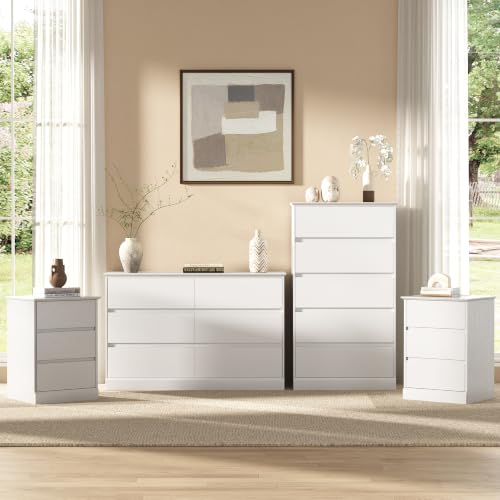


Incorporate a seating area if space permits, positioning it opposite the bed or near a window for midday relaxation. This arrangement invites an inviting corner for reading or unwinding. Additionally, consider the flow; ensure that pathways remain unobstructed for easy movement throughout the area.
Evaluate the height and scale of each item. Avoid overcrowding the space with oversized pieces, as this may overwhelm the senses. Instead, opt for a harmonious blend of storage solutions and decorative accents that reflect personal taste while maintaining open space.
Pay attention to the layout of the closet and dresser. Ensure easy access to clothing and accessories without squeezing through tight spaces. By using angled or open shelving, you can enhance organization and visual appeal.
Strategic Arrangement of Bedroom Essentials
Place the bed against the longest wall to create a sense of space. This layout brings balance, allowing easy access to both sides. Ensure the headboard is clear of windows, offering security and a cozy feel.
Utilizing Nightstands Wisely
Position nightstands evenly on both sides for symmetry. Select styles that complement the bed’s design while remaining functional. Ensure their height aligns with the top of the mattress for convenience.
Incorporating Additional Elements
Add a dresser against a wall, avoiding clutter. Consider a low-profile design to maintain openness. If space permits, include a lounge chair to enhance comfort without overwhelming the area.
Assessing Room Dimensions and Layout
Measure the space accurately, ensuring to record the length and width. Include the height for optimizing elements like lighting and wall decor. Use a laser measuring tool for precision and ease.
Sketch the layout on graph paper or a digital tool. Mark fixed features such as windows, doors, and built-in closets. This visualization aids in understanding flow and accessibility.
Furniture Scale and Proportions
Choose pieces that complement the proportions of the space. Overly large items can overwhelm, while very small ones may get lost. Refer to standard measurements: a queen-size bed is typically 60×80 inches. Ensure pathways around furniture, ideally at least 24 inches for walkways.
Traffic Flow
Identify the natural flow of movement. Ensure that doors can open freely and that there’s enough clearance around pathways. Avoid placing tall items in areas where they obstruct views or pathways.
Consider the arrangement that maximizes openness. A good layout creates a sense of balance and allows for easy transition between areas, enhancing comfort and usability.
Choosing a Focal Point for the Room
Select a prominent element as a central feature, directing attention and influencing the room’s design. The usual candidate is the bed, as it’s typically the largest piece. To enhance impact, position it against the most visually engaging wall, possibly featuring artwork or a decorative headboard.
Enhancing Visual Appeal
Incorporate additional details to draw focus to this centerpiece. Consider using nightstands with matching lamps for symmetry or a striking dresser with unique hardware. When selecting colors, aim for contrast to make the focal piece stand out without overwhelming the rest of the space.
Creating Balance Through Arrangement
Introduce balance around the focal element by distributing other pieces proportionally. If the bed is prominent, smaller items like chairs or side tables should complement rather than compete. This arrangement fosters a cohesive look that invites relaxation and harmony.
Experiment with diverse layouts before settling on a final arrangement; the placement of individual components can significantly alter the overall ambiance. Adapt based on personal style and preferences, ensuring that all elements work together to create a unified, inviting area.
Arranging the Bed for Optimal Flow
I recommend placing the mattress against the longest wall to create a sense of space. This layout allows for easy movement throughout the area. Ensure that pathways are at least 30 inches wide, allowing seamless navigation from one section to another.
<p plTypically, I find that centering the mattress on the wall opposite the entrance draws attention immediately upon entering. This arrangement not only enhances visual appeal but also promotes a welcoming atmosphere.
Consider the surrounding elements; nightstands should be positioned within arm’s reach for convenience. Aim for a distance of 2 to 4 inches from the edges of the bed to allow easy access to essential items without creating visual clutter.
When dealing with a smaller space, I suggest placing the frame parallel to the door. This layout maintains fluidity while maximizing floor space. Avoid blocking windows to preserve natural light and ventilation, crucial for a cozy ambiance.
If adjustable reading lamps are available, positioning them above the nightstands helps create a functional zone for relaxation. Make sure that any other pieces, such as dressers or accent chairs, are balanced with the room’s proportions, ensuring harmony throughout.
Lastly, I emphasize maintaining a minimum of 24 inches between the end of the mattress and any obstructing furniture. This clear area contributes to a more open feel and improves overall functionality, making movement effortless.
Incorporating Nightstands and Accessories
Choose nightstands with height and style that complements the bed. Ideally, their tops should be level with the mattress for easy access. Look for designs that offer storage while serving as decorative elements.
Selecting Nightstands
- Match the material and color with other pieces for a cohesive look.
- Consider the function: do they need drawers, shelves, or open space?
- Keep the space around them clear to facilitate movement.
Adding Accessories
Position lamps on nightstands to enhance light while adding character. Opt for:
- Personal items such as books or photos to infuse personality.
- Plants for a touch of nature; they improve air quality.
- Decorative boxes for storage while maintaining style.
Ensure accessories maintain a unified look, balancing texture and color. Regularly curate items for visual interest and practicality.
Placing Dressers and Storage Solutions
Prioritize accessibility by positioning dressers against walls, ideally near the entrance or adjacent to the closet for convenience. Ensure that there is enough space to open drawers fully without obstruction.
Optimizing Space
- Use vertical storage; tall dressers can save floor space.
- Consider sliding doors or mirrored surfaces that reflect light, making the space feel larger.
- Incorporate under-bed storage for seasonal items or shoes, freeing up space above.
Design Cohesion
- Match dressers with other elements; a consistent style enhances aesthetics.
- Coordinate color schemes to create harmony; soft tones contribute to a serene atmosphere.
- Layer textures using baskets or decorative boxes for visual interest while keeping surfaces uncluttered.
Keep pathways clear; maintain at least 24 inches between storage units and other pieces to support fluid movement. This approach fosters an organized environment, making access to essentials quick and easy.
Strategic Location of Lighting Fixtures
Identify the primary activities that will occur in the space, such as reading or relaxing, to determine the optimal setup for illumination. Position bedside lamps within easy reach for convenient access during the night. Aim for a height where the light source effectively provides illumination without creating glare or shadows.
Incorporate a ceiling fixture, ensuring it is centered to create an even distribution of light across the area. Place any additional lights, like floor or table lamps, in corners or along walls to enhance the ambience and draw attention to decorative elements or artwork.
Layering Light Sources
Use a combination of ambient, task, and accent lighting for a well-balanced effect. Select fixtures that complement each other in style while providing different lighting intensities. Dimmer switches can help create a flexible atmosphere, giving control over brightness levels based on the time of day or activity.
Considering Reflective Surfaces
Utilize mirrors or glossy materials in the vicinity of light sources to amplify brightness and create a more spacious feel. Thoughtful placement of both natural and artificial lights will transform the environment, enhancing comfort while ensuring functionality.
Utilizing Space in Small Bedrooms
Maximize floor area by selecting multi-functional pieces. A bed with built-in drawers or a lofted design creates under-bed storage, freeing up valuable room. Consider a wall-mounted desk or folding nightstands that can be tucked away when not in use.
Mirrors visually expand space; placing a large one opposite a window enhances light and depth perception. Choose light-colored walls and bedding to make the area feel more open. Installing shelves closer to the ceiling allows for additional storage without sacrificing floor area.
Utilize vertical space with tall furniture, drawing the eye upward and creating the illusion of a higher ceiling. Keep pathways clear and furniture arrangements tight to optimize movement. A sliding door can save space compared to traditional swinging doors.
Incorporate slimline storage solutions instead of bulky options, like narrow dressers or tall bookcases. Every item should earn its place, ensuring that all possessions are functional or meaningful. Avoid overcrowding; leave open spaces to maintain a sense of airiness.
Lastly, use light sources strategically to enhance the overall ambiance. Wall sconces or pendant fixtures take up less space than table lamps. Keeping the palette simple and cohesive contributes to a tranquil atmosphere, making the small area feel more expansive.
Creating Zones for Different Activities
I allocate specific areas within the space to enhance functionality and comfort. By delineating zones, I can optimize the use of available square footage while catering to various activities such as sleeping, reading, and dressing. The arrangement is key to ensuring seamless transitions between these routines.
Designating Areas
I often create at least three main zones: a sleeping area, a reading nook, and a dressing space. This can be achieved by placing the bed in a way that it remains the focal point while leaving ample room for other zones. I find that using rugs can further define each area, adding both style and practicality.
Examples of Zone Layouts
| Zone | Furniture/Items | Placement Tips |
|---|---|---|
| Sleeping | Bed, nightstands | Center against a wall, ensuring easy access from both sides |
| Reading | Chair, small table, lamp | In a corner or near a window for natural light |
| Dressing | Dresser, mirror | Near the entryway or opposite the bed for easy access |
By thoughtfully arranging items within each zone, I create an environment that not only looks appealing but also caters to my daily activities. It’s the little details, like incorporating a small side table in the reading nook for books and beverages, that elevate the usability of each area.
Testing and Adjusting Your Layout
Begin by experimenting with different placements of each piece. This hands-on approach allows for immediate visual assessment and flow. I typically use painter’s tape to outline the dimensions of elements on the floor, marking where I envision the bed, dressers, and other components. This tactile representation helps visualize space use without the need to move heavy furniture repeatedly.
Assessing Functionality
Once the initial layout is created, I consider daily functionality. I evaluate the ease of access to the closet and the convenience of navigating between furniture pieces. Ensuring pathways for movement keeps the atmosphere open and welcoming. If I find that I struggle to walk freely or reach necessary items, minor adjustments can lead to a significant improvement.
Seeking Feedback
Inviting a friend or family member to assess the arrangement provides fresh insights. They may notice aspects I overlook or suggest alternatives. Additionally, taking photos from various angles can help me objectively analyze the design. Making small tweaks based on feedback can enhance both aesthetics and usability, aligning the space more closely with my vision.


